 ALERT
ALERT
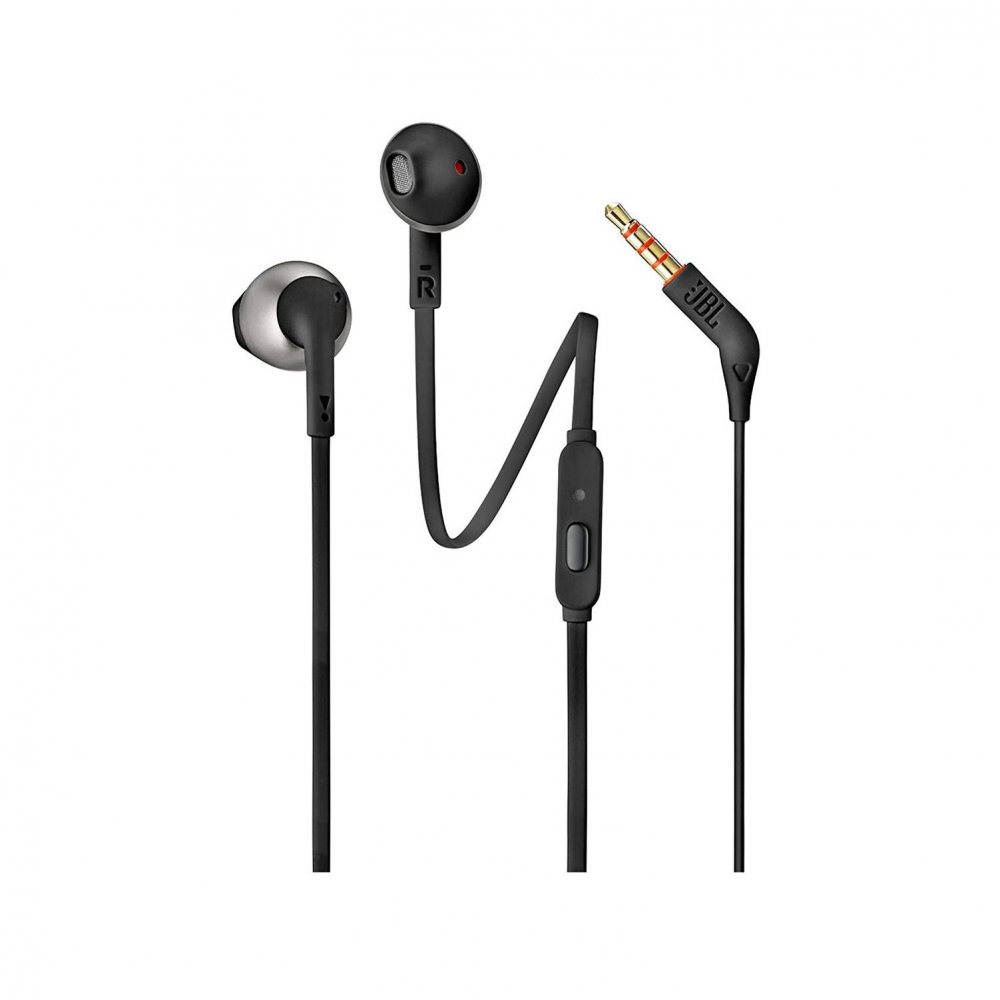
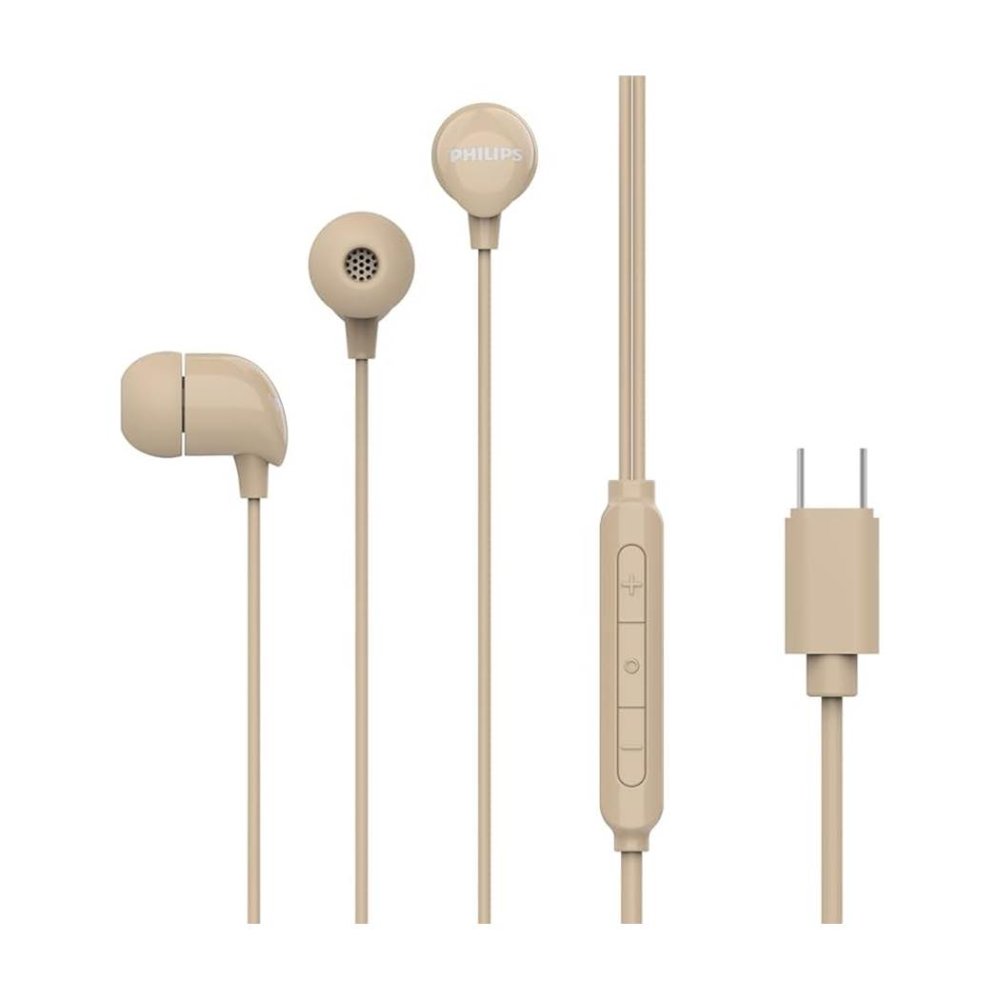
JBL TUNE 205 vs Philips TAE1159GD
Advertisement
| Specification | ||
|---|---|---|
| Price | Rs.999.00 |
Rs.999.00 |
| Brand | JBL |
Philips |
| Model No | TUNE 205 |
TAE1159GD |
| Wired / Wireless | Wired Headphone Specification |
Wired Headphone Specification |
| Headphone Type | In Ear |
In Ear |
| Magnet Type | Dynamic |
Dynamic |
| Driver Diameter | 12.5 mm |
10 mm |
| Impedance | 32 ohm |
32±10% Ohms |
| Sensitivity | 100dB |
104dB ±3dB |
| Frequency Response | 20 Hz - 20000 kHz |
20Hz - 20KHz |
| Maximum Power Input | NA |
5 mW |
| Noise Cancelling | NA |
Sound Isolation |
| Available Colors | Black, Grey, Pink, Gold |
Gold |
| Connector Plating | 3.5 mm |
USB Type-C |
| Cable | Tangle- Free Flat Cable |
Rubberised Copper Cable |
| Weight | 14.3 gm |
15 GM |
| Other Features | JBL Pure Bass sound. Tangle-free flat cable. Comfort-fit ergonomics earbuds. Premium metalized ear-housing. One Button Universal Remote with Mic. Powerful, pure bass sound. Now in a takeaway version. The TUNE205 can be conveniently stored in the soft carrying pouch and carried along. These headphones reproduce that same JBL sound, punching out bass that’s both deep and powerful. |
Enhanced Flexibility : Provides the ideal cable length of 1.2m for freedom of movement.Keep your audio device conveniently placed while enjoying uninterrupted sound. Durable Design With Rubberised Cable Relief : Soft rubber protection between headphones and cable enhances durability.Prevents damage to the cable connection caused by repeated bending. Customizable Fit With Interchangeable Ear Caps : Includes three ear cap sizes (small, medium, large) for a personalized fit.Designed to ensure optimal comfort and secure placement for all ear sizes. Perfect In-Ear Seal For Immersive Sound : Super-small speaker drivers ensure a comfortable fit inside the ear.Snug earbud design blocks external noise, delivering an intense, high-quality listening experience. Hands-Free Calling With Integrated Microphone : Features a built-in microphone and call button for effortless switching between music and calls.Enjoy hands-free convenience while accepting and ending calls directly from your headset.Perfect for seamless connectivity with your mobile phone. |
Advertisement
Compare JBL TUNE 205 with:
Compare Philips TAE1159GD with:
Top Differences
- Noise Cancelling: NA vs Sound Isolation
- Driver Size: 12.5 mm vs 10 mm
- Weight: 14.3 gm vs 15 GM
- Impedance: 32 ohm Vs 32±10% Ohms
Advertisement