 ALERT
ALERT
Advertisement
| Specification | ||
|---|---|---|
| Price | Rs.7,499.00 |
Rs.7,300.00 |
| Brand | JBL |
JBL |
| Model No | Tune Flex |
Synchros Reflect BT |
| Wired / Wireless | Wireless Headphone Specification |
Wireless Headphone Specification |
| Headphone Type | In Ear |
In Ear |
| Magnet Type | Dynamic |
Neodymium |
| Driver Diameter | 12 mm |
8.5 mm |
| Impedance | 32 ohm |
32 Ohms |
| Sensitivity | 110 dB SPL |
107 dB/mW |
| Frequency Response | 20 Hz - 20000 kHz |
10 Hz - 22000 Hz |
| Maximum Power Input | 5V 1A |
NA |
| Wireless / Bluetooth Details | ||
| Wireless Technology | Bluetooth |
Bluetooth |
| Bluetooth Version | 5.2 |
4.0 |
| Compatible Profiles | All Bluetooth Devices |
NA |
| Supported Codecs | A2DP, AVRCP, HFP |
NA |
| Battery Type | Lithium-ion Batteries |
NA |
| Bluetooth Range | 10 Meters |
NA |
| Battery Life | 4.5 / 6 / 8 / 32 Hours |
5 Hrs |
| Charging Time | < 2 Hours |
NA |
| Noise Cancelling | Active NC |
NA |
| Available Colors | Black, White, Blue |
Black, Blue, Red, Green |
| Connector Plating | No |
NA |
| Cable | Type-C USB Charging Cable |
NA |
| Weight | 38.6 Gm |
16 g |
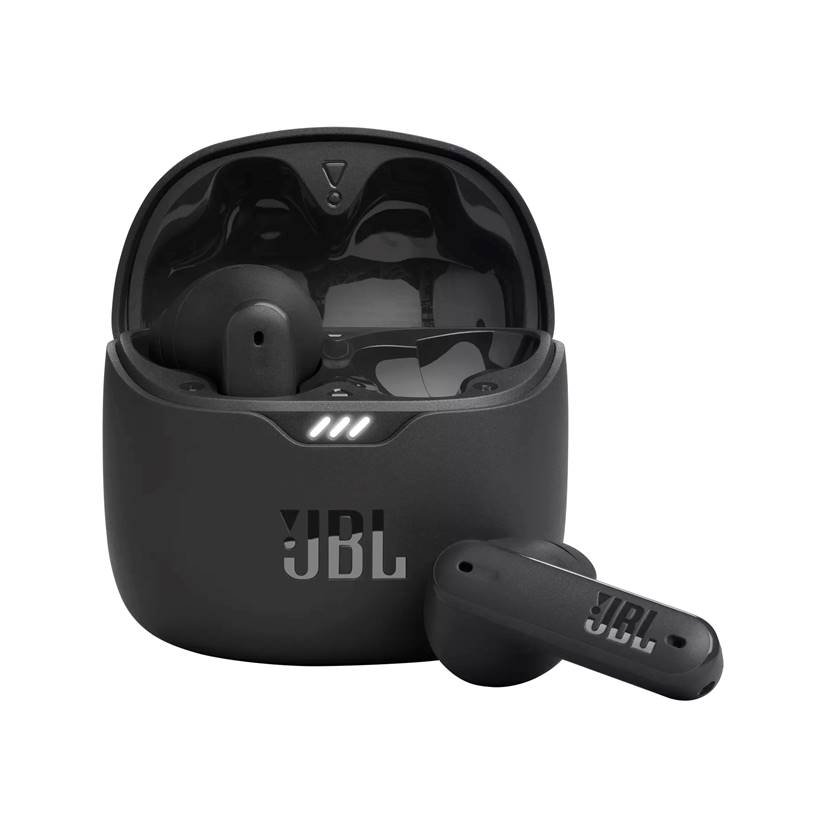
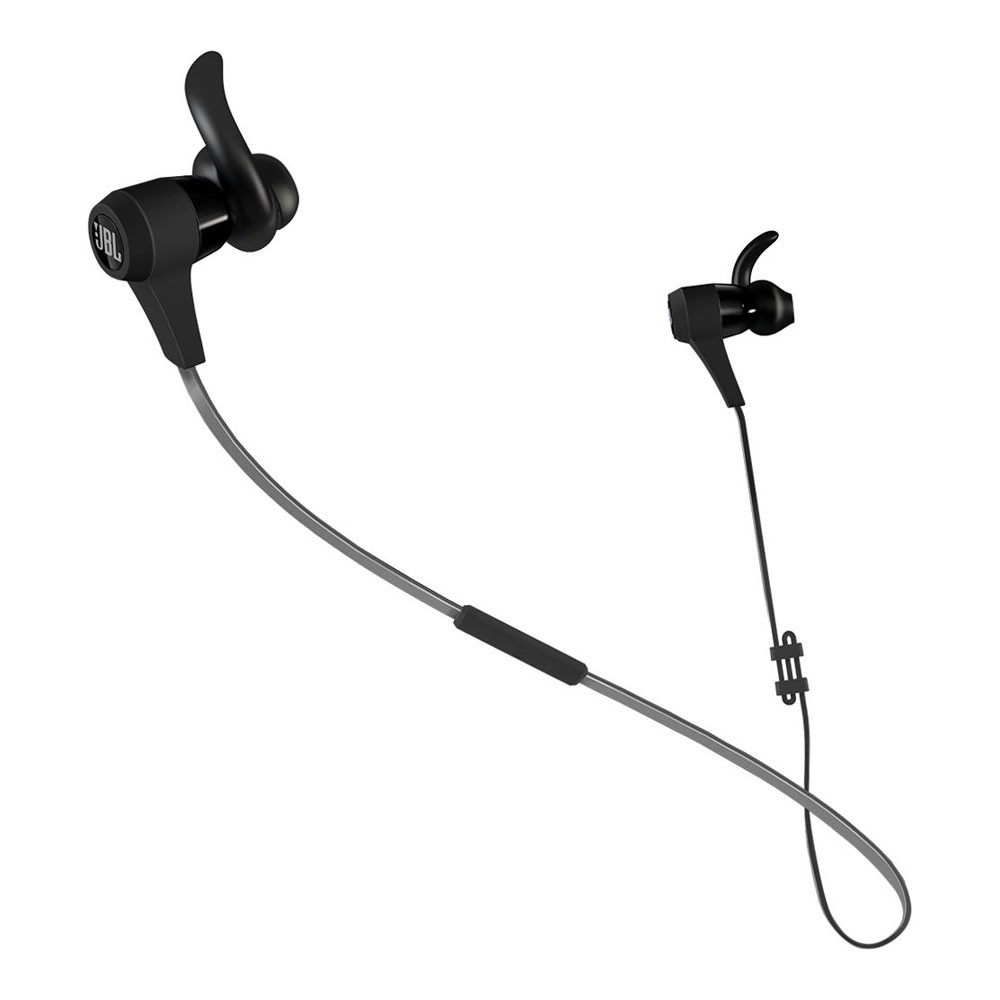
| Other Features | JBL Headphones App. JBL Pure Bass Sound. All-day fit & comfort. 4 mics for perfect calls. Up to 32 hours of battery life. Active Noise Cancelling with Smart Ambient. Thanks to IPX4 water resistance and sweat proofing. |
- Bluetooth®-enabled wireless connectivity - Reflective cord design and retractable tether - Ergonomic ear-tips and angled ear pieces - Cable management system with serious attraction - Universal remote control/mic - Groundbreaking JBL-quality sound - Sweat-Proof |
Advertisement
Compare JBL Tune Flex with:
Compare JBL Synchros Reflect BT with:
Top Differences
- Battery Life: 5 Hrs vs 4.5 / 6 / 8 / 32 Hours
- Noise Cancelling: NA vs Active NC
- Driver Size: 8.5 mm vs 12 mm
- Bluetooth: 4.0 vs 5.2
- Weight: 16 g vs 38.6 Gm
Advertisement