 ALERT
ALERT
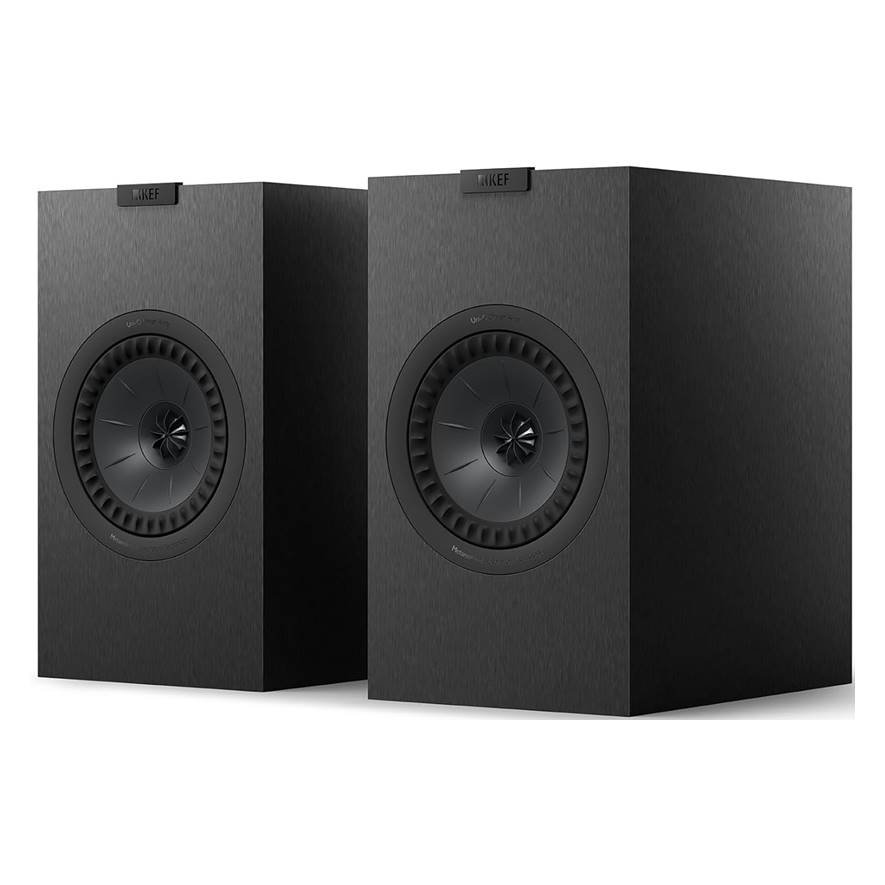
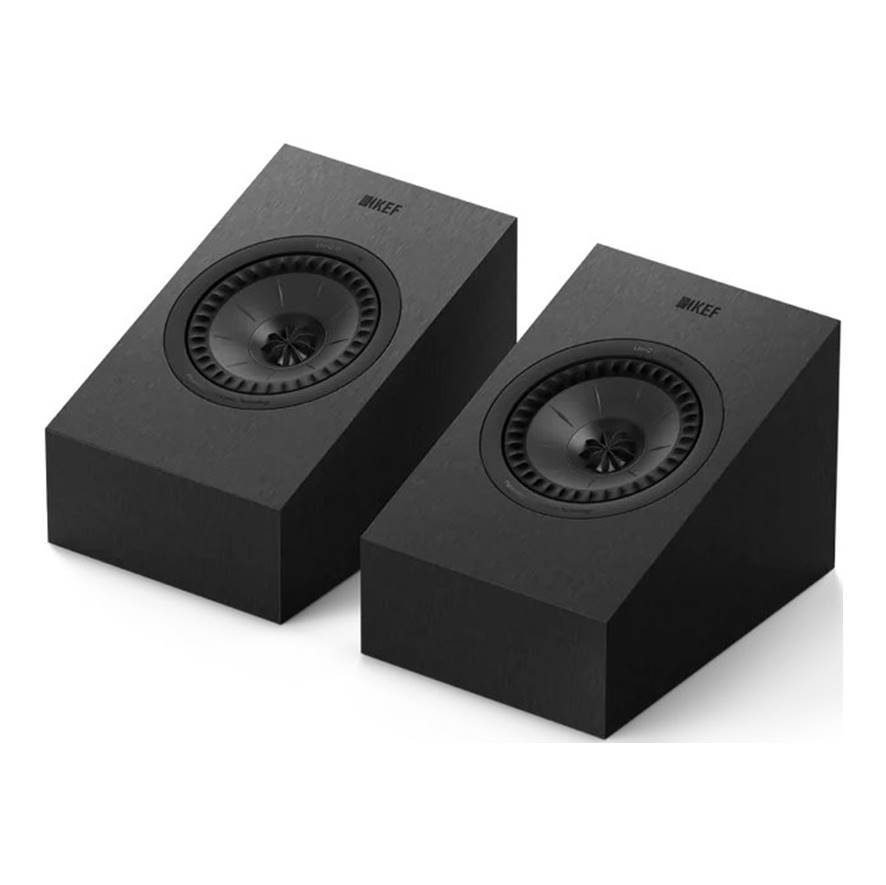
KEF Q3 Meta vs KEF Q8 Meta
Advertisement
| Specification | ||
|---|---|---|
| Price | 69893.15 |
69694.34 |
| Brand | KEF |
KEF |
| Model No | Q3 Meta |
Q8 Meta |
| Wired / Wireless | Home Theatre Speaker Specification |
Home Theatre Speaker Specification |
| Driver Type | Dynamic |
Dynamic |
| Driver Diameter | Uni-Q Driver Array LF - MF : 165 mm Aluminum Cone HF : 25 mm Vented Aluminum Dome With MAT |
Uni-Q Driver Array LF / MF : 130 mm Hybrid aluminum Cone HF : 25 mm Vented Aluminum Dome With MAT |
| Impedance | 4 Ohms ( Min. 3.2 Ohms ) |
4 Ohms ( Min. 3.2 Ohms ) |
| Sensitivity | 87 dB |
86dB |
| Frequency Response | Crossover Frequency : 20 KHz Frequency Range ( -6dB ) : 42 Hz - 20KHz Frequency Response ( ±3dB ) : 49 Hz - 20KHz Typical In-Room Bass Response ( -6dB ) : 39 Hz Harmonic distortion ( 90dB, 1m ) : <2% 110 Hz & Above, <1% 135 Hz - 20 KHz |
Crossover Frequency : 2.7 KHz Frequency Range ( -6dB ) : 396 Hz - 20 KHz Frequency Response ( ±3dB ) : 105 Hz - 20KHz Typical In-Room Bass Response ( -6dB ) : 90 Hz Harmonic Distortion ( 90dB, 1m ) : <2% 145 Hz & Above, <1% 170 Hz - 20 KHz |
| Maximum Power Input | NA |
NA |
| Maximum Power Output | 15 - 150 W ( RMS ) Two-Way Bass Reflex |
10 - 150 W ( RMS ) Two-Way Closed Box |
| Signal to Noise Ratio | 109 dB |
109 dB |
| Noise Cancelling | ||
| Aux Connectivity | No |
No |
| Weight | 8.2 Kg |
4.5 Kg |
| Dimensions | Speaker : 357 mm X 210 mm X 305 mm |
Speaker : 176 mm X 180 mm X 259 mm |
| Available Colors | Black, White, Brown |
Black, White, Brown |
| Accessories | KEF Q3 Meta Home Theatre Speaker Port Bungs Rubber Feet Magnetic Grille User Manual & Warranty Card |
KEF Q8 Meta Home Theatre Speaker Port Bungs Rubber Feet Magnetic Grilles ( Pair ) Wall Mounting Template​ User Manual & Warranty Information​ |
| Other Features | Complementary colour-matched grilles offer the perfect balance between driver protection and aesthetics. Q3 features KEF's revolutionary Meta material technology that can absorb 99% of the unwanted noise from the rear of the driver for pure and natural sound. KEF's 12th Generation Uni-Q driver acts as a single point source to disperse sound more evenly for an immersive and cohesive soundstage with better clarity. The Q Series speakers feature a contemporary minimalist design with a satin finish that offers a premium, subtle glow. Available in Satin Black, Satin White, and Walnut finishes, they are designed to blend effortlessly into any interior. A critical component of the Q series is the refined crossover, which ensures seamless integration of all speaker parts. More than 1,000 specific measurements are taken for each speaker model, allowing precise signal path and optimization for best possible performance. |
Q8 allows anyone to enjoy Dolby Atmos at home with the ultimate ease of installation. Q8 features KEF's revolutionary Meta material technology that can absorb 99% of the unwanted noise from the rear of the driver for pure and natural sound. KEF's 12th Generation Uni-Q driver acts as a single point source to disperse sound more evenly for an immersive and cohesive soundstage with better clarity. The Q Series speakers feature a contemporary minimalist design with a satin finish that offers a premium, subtle glow. Available in Satin Black, Satin White, and Walnut finishes, they are designed to blend effortlessly into any interior. A critical component of the Q series is the refined crossover, which ensures seamless integration of all speaker parts. More than 1,000 specific measurements are taken for each speaker model, allowing precise signal path and optimization for best possible performance. |
Advertisement
Compare KEF Q3 Meta with:
Compare KEF Q8 Meta with:
Top Differences
- Sound Output: 15W vs 10W
- Channels: 15 vs 10
- Dolby Atmos: No vs Yes
- Frequency Response: Crossover Frequency : 20 KHz Frequency Range ( -6dB ) : 42 Hz - 20KHz Frequency Response ( ±3dB ) : 49 Hz - 20KHz Typical In-Room Bass Response ( -6dB ) : 39 Hz Harmonic distortion ( 90dB, 1m ) : <2% 110 Hz & Above, <1% 135 Hz - 20 KHz vs Crossover Frequency : 2.7 KHz Frequency Range ( -6dB ) : 396 Hz - 20 KHz Frequency Response ( ±3dB ) : 105 Hz - 20KHz Typical In-Room Bass Response ( -6dB ) : 90 Hz Harmonic Distortion ( 90dB, 1m ) : <2% 145 Hz & Above, <1% 170 Hz - 20 KHz
- Subwoofer Size: 165 mm vs 130 mm
Advertisement