 ALERT
ALERT
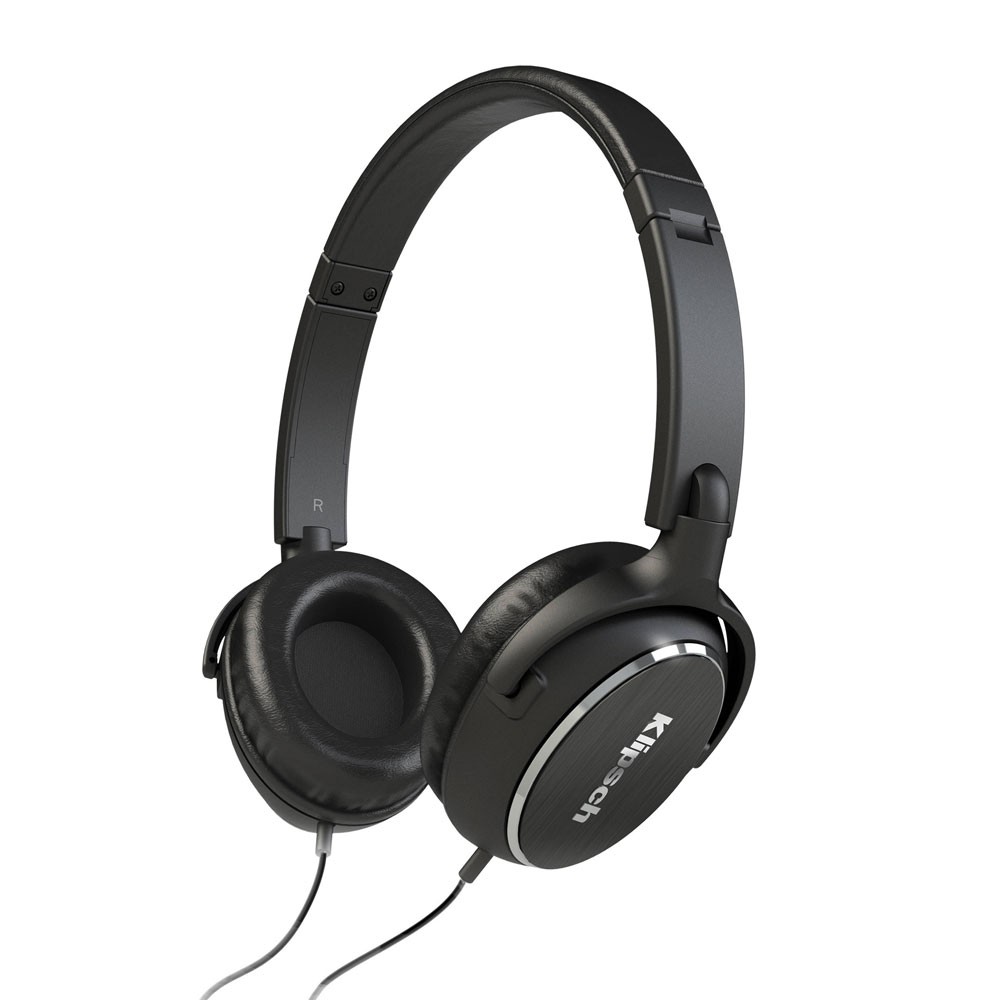
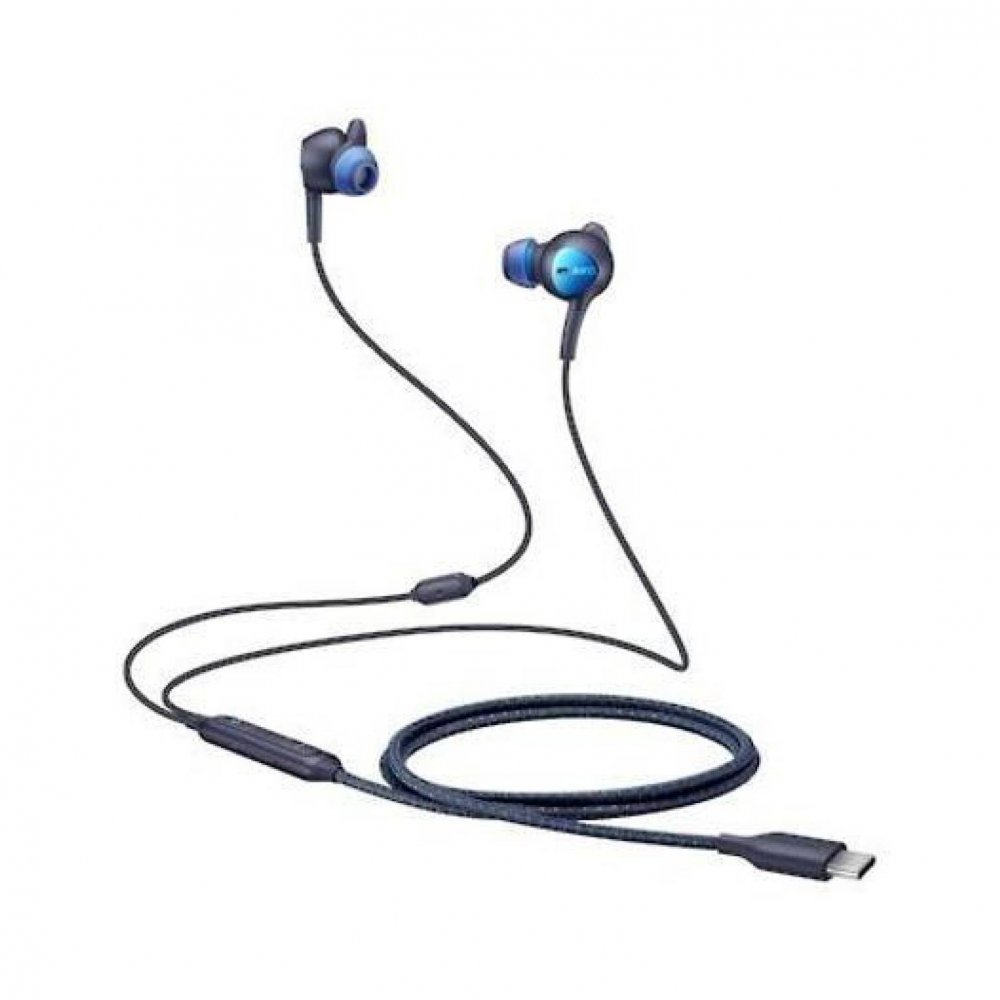
Klipsch R6i On-Ear vs Samsung EO-IC500BBEG
Advertisement
| Specification | ||
|---|---|---|
| Price | Rs.6,800.00 |
Rs.6,999.00 |
| Brand | Klipsch |
Samsung |
| Model No | R6i On-Ear |
EO-IC500BBEG |
| Wired / Wireless | Wired Headphone Specification |
Wired Headphone Specification |
| Headphone Type | On Ear |
In Ear |
| Magnet Type | Neodymium |
Dynamic |
| Driver Diameter | 40 mm |
40 mm |
| Impedance | 32 Ohms |
32 ohm |
| Sensitivity | 110 dB/mW |
109dB |
| Frequency Response | 20 Hz - 20000 Hz |
20 Hz - 20000 kHz |
| Maximum Power Input | NA |
NA |
| Noise Cancelling | NA |
NA |
| Available Colors | Black, White |
Black |
| Connector Plating | 3.5 mm Gold Plated Jack |
NA |
| Cable | NA |
USB Type-C Plug |
| Weight | 160 g |
26.3 gm |
| Other Features | - Light & Comfortable design - Dynamic moving coil 40mm speaker - High-density memory foam ear cups - Advanced three-button mic and remote - Adjustable leather headband |
Created for comfort. Just plug in and play. Listen to the music, not the noise. |
Advertisement
Compare Klipsch R6i On-Ear with:
Compare Samsung EO-IC500BBEG with:
Top Differences
- Weight: 160 g vs 26.3 gm
- Impedance: 32 Ohms Vs 32 ohm
Advertisement