 ALERT
ALERT
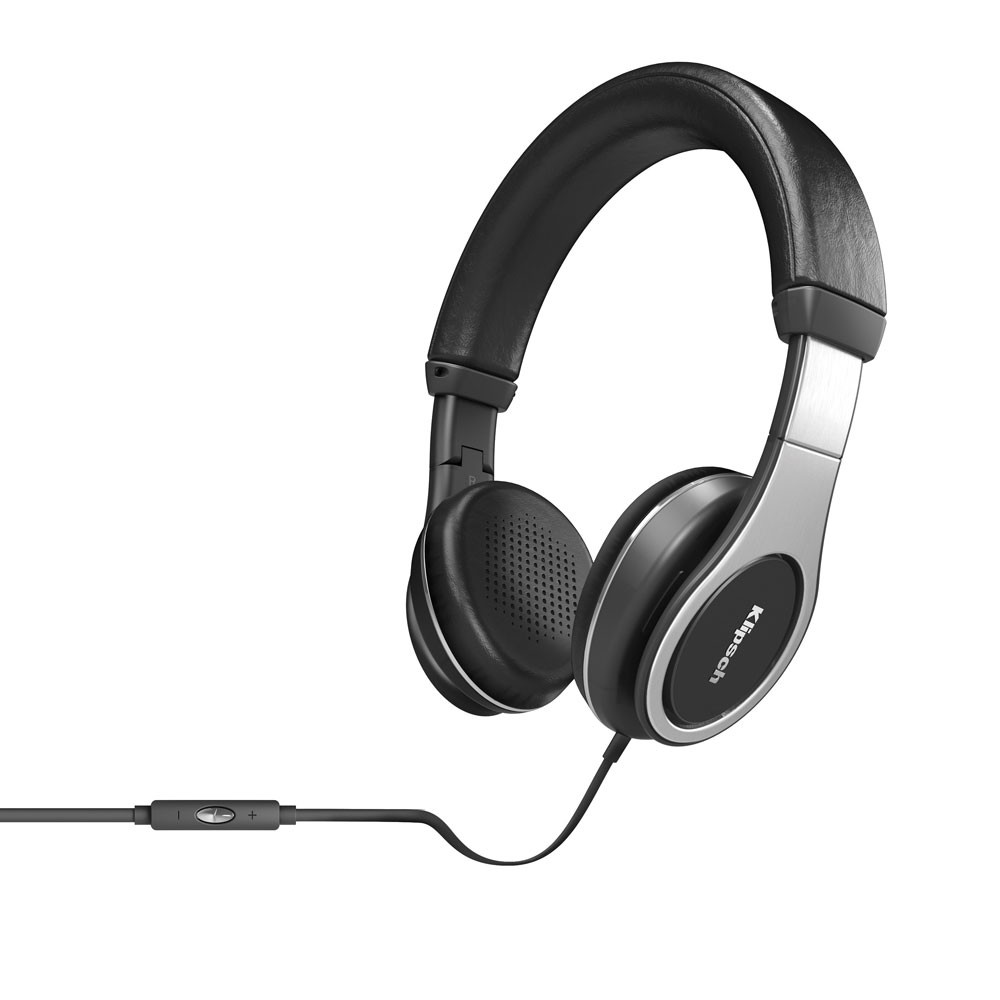
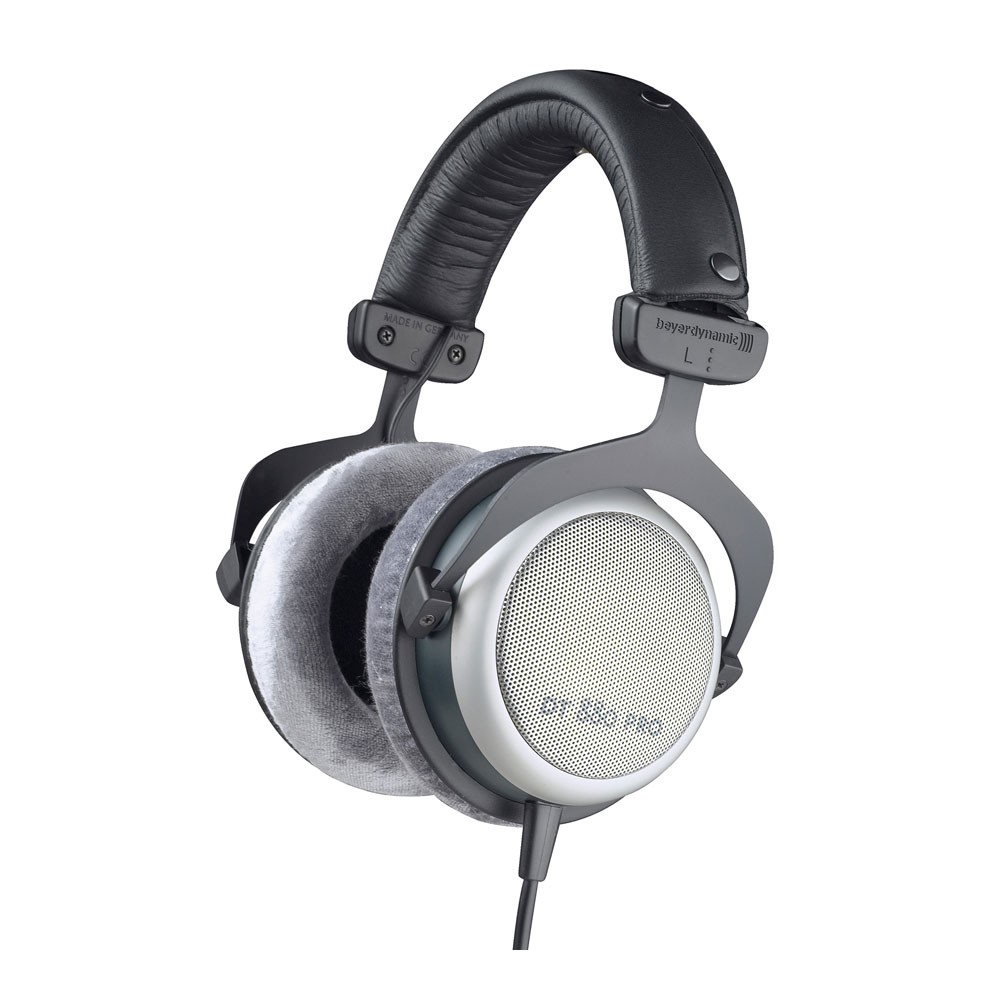
Klipsch Reference On-Ear vs Beyerdynamic DT 880 PRO
Advertisement
| Specification | ||
|---|---|---|
| Price | Rs.17,900.00 |
Rs.18,000.00 |
| Brand | Klipsch |
Beyerdynamic |
| Model No | Reference On-Ear |
DT 880 PRO |
| Wired / Wireless | Wired Headphone Specification |
Wired Headphone Specification |
| Headphone Type | On Ear |
Over Ear |
| Magnet Type | Neodymium |
Neodymium |
| Driver Diameter | 40 mm |
NA |
| Impedance | 32 Ohms |
250 Ohms |
| Sensitivity | 110 dB/mW |
96 dB/mW |
| Frequency Response | 20 Hz - 20000 Hz |
5 Hz - 35000 Hz |
| Maximum Power Input | NA |
100 mW |
| Noise Cancelling | NA |
NA |
| Available Colors | Black, White |
Grey |
| Connector Plating | 3.5 mm Gold Plated Jack |
3.5 mm Gold Plated Jack |
| Cable | 1.2 m |
3 m |
| Weight | 200 g |
295 g |
| Other Features | - Dynamic 40mm Moving Coil - 3-Button Remote + Mic for iOS - Soft, Deep Ear Cushions - Flat Tangle-Resistant Cable for hassle-free storage and transport. - Foldable Design - Carrying Case - Black or White Finish |
- Semi-open studio headphone - Rugged headband construction - Single-sided cable - Soft headband pad - Gold plated stereo jack plug (3.5 mm) & 1/4" adapter (6.35 mm) |
Advertisement
Compare Klipsch Reference On-Ear with:
Compare Beyerdynamic DT 880 PRO with:
Top Differences
- Driver Size: NA vs 40 mm
- Weight: 295 g vs 200 g
- Impedance: 250 Ohms Vs 32 Ohms
Advertisement