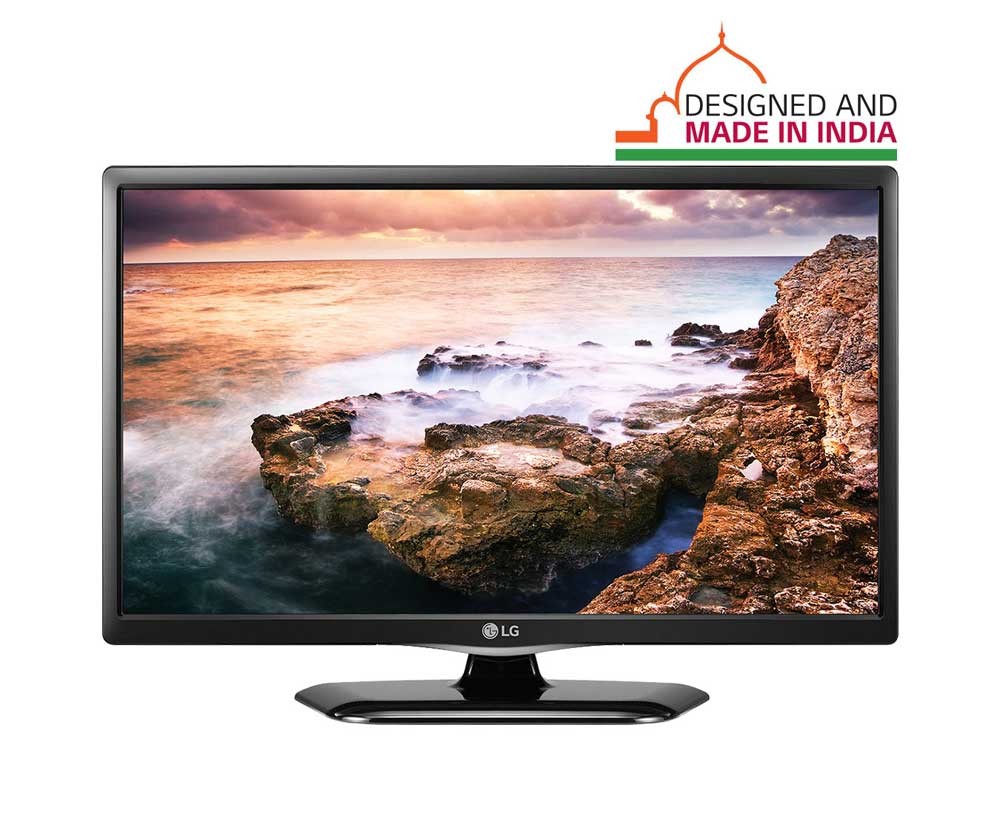
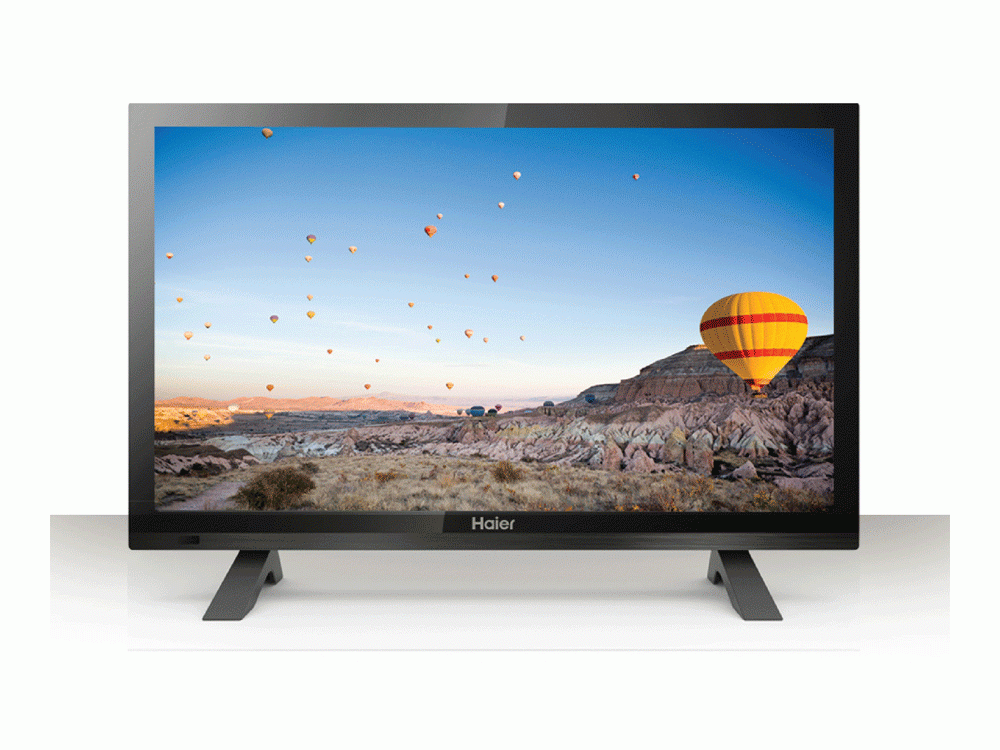
| Model No |
20LF460A |
LE19P620 |
| TV Type |
LED TV |
LED TV |
| Screen Size |
22 Inch (54.70 cm) |
19 Inch (48.26 cm) |
| Resolution |
1366 x 768 |
1366 x 768 |
| Aspect Ratio |
16:9 |
16:9 |
| Motion Rate |
NA |
NA |
| Viewing Angle |
178° |
170/160 |
| USB |
| USB Version |
: 2.0 |
| Supported Audio Formats |
: MP3, AAC, WMA, PCM |
| Supported Video Formats |
: MKV, DivX, MP4, AVI, ASF, MOV, FLV, DAT, VOB |
| Supported Picture Formats |
: JPG |
|
| USB Version |
: 2.0 |
| Supported Audio Formats |
: MP3, AAC, WMA, PCM |
| Supported Video Formats |
: MKV, DivX, MP4, AVI, ASF, MOV, FLV, DAT, VOB |
| Supported Picture Formats |
: JPG |
|
| Video |
| Dynamic Color Enhancer |
: Yes |
| Dynamic Clear White |
: Yes |
| Picture Mode |
: 5 modes (Vivid, Standard, Cinema, Cricket, Game) |
| Active Noise Reduction |
: Yes |
| BackLight Module |
: Slim LED |
|
| No. of Picture Mode Settings |
: 5 |
| Noise Reduction |
: Yes |
| Comb Filter |
: Yes |
|
| Audio |
| Dolby Digital Decoder |
: Yes |
| Speaker System |
: 2 Ch. Speaker system |
| Audio Output (RMS) |
: 10 watts |
| Sound Mode |
: 5 Modes (Standard, Music, Cinema, Cricket, Game) |
| BollyWood Mode |
: Yes |
| Sound Optimizer |
: 3 modes (Off, Stand Type,Wall-mounted Type) |
| Audio Codec |
: AC3(Dolby Digital), AAC, Mpeg, MP3, PCM |
|
| Audio Power Output |
: 2 x 2.5 W |
| Automatic Volume Control |
: Yes |
|
| Connectivity Options |
| USB |
: 1 (Side) |
| HDMI |
: 1 (Rear) |
| Headphone Out |
: 1 (RCA Analog audio out) |
| Composite In (CVBS + Audio) |
: 1 (Composite/Component Common) |
| Component In (Y,Pb,Pr + Audio) |
: 1 (Composite/Component Common) |
| RF In |
: 1 (Rear) |
|
| HDMI |
: 1 |
| USB |
: 1 |
| RF Connection Input |
: 1 |
| Composite Video Input |
: 1 |
| Component Video (Y/Pb/Pr) |
: 1 |
| Analog Audio Input |
: 1 |
| Headphone Output |
: 1 |
|
| Other Features |
| Motion Eco Sensor |
: Yes |
| Input Labeling |
: Yes |
| OSD Languages |
: Total 17, Indian : 5 (Hindi, Marathi , Bengali , Tamil , Telugu) Subject to updation regularly |
| Subtitle for DivX (Language) |
: 10 Language (English, French, Vietnamese, Russian, Thai, Hebrew, Arab, Korean, Persian, Kudur) |
| Built-in Games |
: Yes |
| PMI (Picture Mastering Index) |
: 300 |
| Analog TV Reception |
: Yes |
| Local Key Type |
: Jogstick |
|
| On / Off Timer |
: Yes |
| OSD Language |
: Yes |
| USB Photo Viewer |
: Yes |
| USB Music Player |
: Yes |
| USB Video Player |
: Yes |
| Zoom |
: Yes |
|
| General Details |
| Power Supply |
: 100 - 240Vac 50-60Hz |
| Power Consumption (Stand-by) |
: 0.3 watts |
| Set Weight (without stand) |
: 2.3 Kg |
| Set Weight (with stand) |
: 2.5 Kg |
| Set Weight (in Carton) |
: 6 Kg |
|
| Power Supply |
: 110 V - 220 V |
| Power Consumption |
: 30 W |
| Power Consumption Standy By mode |
: 0.5 W |
| Weight with Stand |
: 2.29 Kg |
| Gross Weight |
: 2.60 Kg |
|
| Supplied Accessories |
| Conventional Remote |
: Yes |
|
| Remote Control |
: Yes |
| User Manual |
: Yes |
|
 ALERT
ALERT