| Model No |
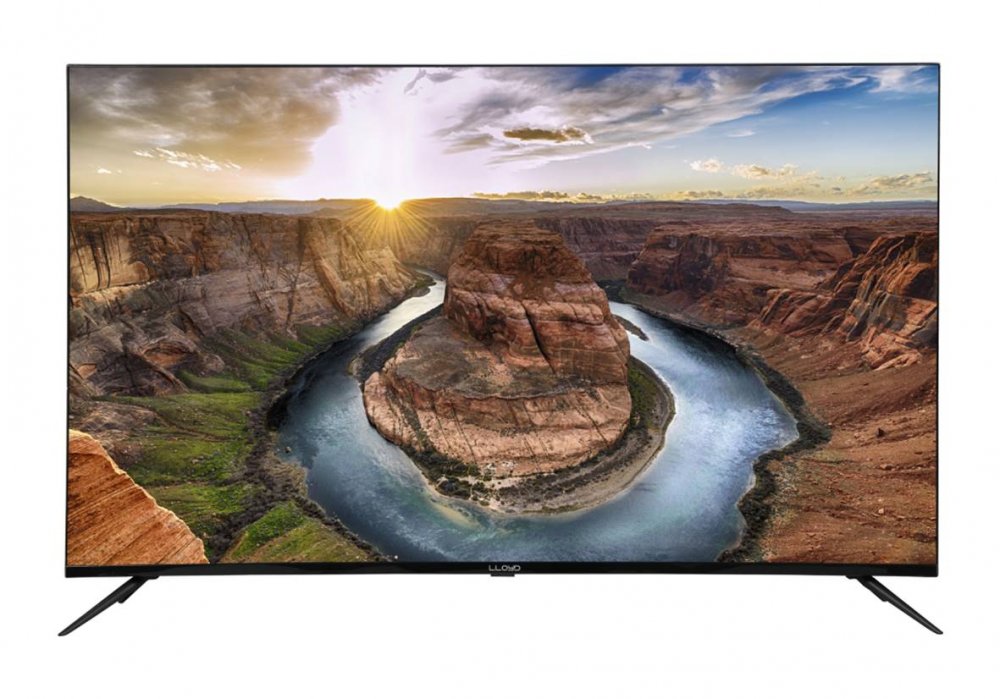
50PS850E |
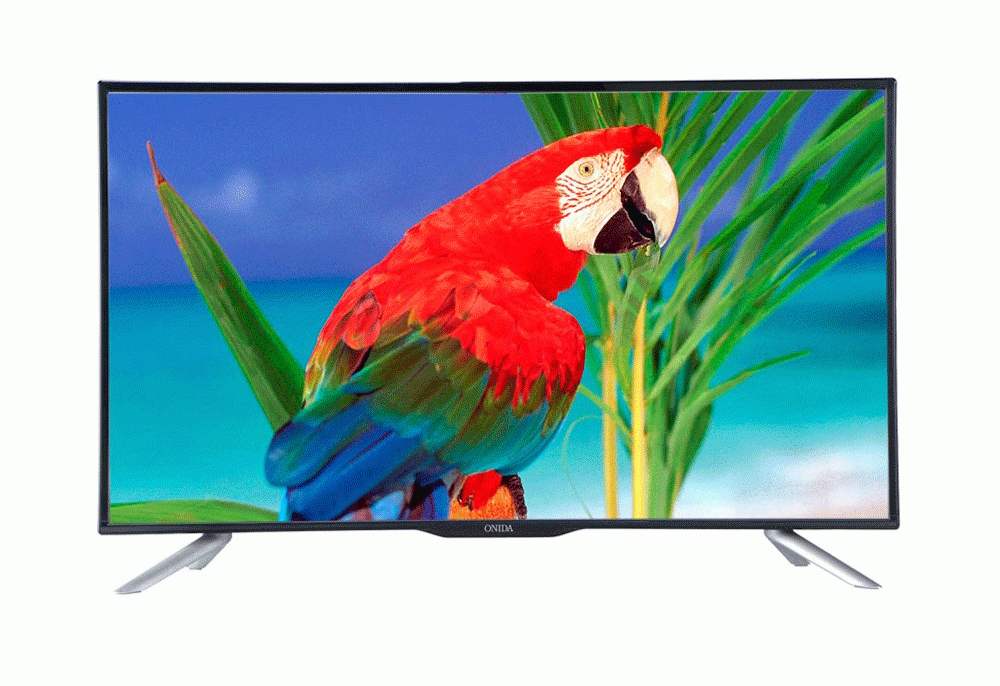
LEO50MVF |
| TV Type |
LED TV |
LED TV |
| Screen Size |
50 Inch (126 cm) |
50 Inch (126 cm) |
| Resolution |
4K 3840 x 2160 |
1920 x 1080 |
| Aspect Ratio |
16:9 |
16:9 |
| Motion Rate |
60 Hz |
NA |
| Viewing Angle |
178°/178° |
178 / 178 degrees |
| USB |
| USB Version |
: 2.0 |
| Supported Audio Formats |
: MP3, AAC, WMA, PCM |
| Supported Video Formats |
: MKV, DivX, MP4, AVI, ASF, MOV, FLV, DAT, VOB |
| Supported Picture Formats |
: JPEG |
|
| USB Version |
: 2.0 & 3.0 |
| Supported Audio Formats |
: MP3, AAC, WMA |
| Supported Video Formats |
: MKV, DivX, MP4, AVI, ASF, MOV, FLV, DAT, VOB |
| Supported Picture Formats |
: JPG |
|
| Video |
| Backlight |
: 4K UHD LED |
| MEMC |
: Yes |
| HDR10 |
: Yes |
| 4K Upscaler |
: Yes |
| Response Time |
: 8 ms |
| Contrast |
: 1200:1 |
| Brightness |
: 350 Nits |
| Panel Type |
: A+ Grade Panel |
| Technology |
: WCG Vision Pro |
|
| Selectable Picture Modes |
: Vivid / Cinema / News / Sports / Normal |
| Video Processing |
: SRV Engine |
| Dynamic contrast ratio |
: 3000000 : 1 |
| Flesh Tone Adjust |
: Off, Low, Medium, High |
| Noise Reduction |
: Off, Low, Medium, High |
| Display Color |
: 16.7 Million |
| Colour System |
: Pal / Secam / Auto |
| Backlight Module |
: EDGE LED |
|
| Audio |
| Audio Output ( RMS ) |
: 2 X 12 W |
| Dolby Audio |
: Yes |
|
| Audio Output |
: 2 x 10 Watts |
| Sound Modes |
: Movie, Music, Flat, Normal |
| Surround Sound |
: Yes |
| Equalizer |
: Yes |
|
| Connectivity Options |
| HDMI |
: 3 |
| USB 2.0 |
: 2 |
| RF |
: 1 |
| AV IN |
: 1 |
| Dual Band Wi-Fi |
: Yes |
| Any-View Cast |
: Yes |
| AV Out |
: Digital Out |
| Audio Out |
: Headphone |
|
| USB |
: 2 |
| HDMI |
: 2 |
| Composite Video In |
: 2 |
| Component Video (Y/Pb/Pr) In |
: 1 |
| VGA |
: 1 |
| AV Out |
: Yes |
| PC Audio In |
: 1 |
|
| Smart TV Features |
| Operating System |
: WebOS Hub |
| CPU |
: ARM CA75 1.0 GHz Quad Core |
| Prime |
: Yes |
| Netflix |
: Yes |
| Hotstar |
: Yes |
| Youtube |
: Yes |
| Home Hub |
: Yes |
| OTTs |
: Netflix, Prime Video, Youtube, Disney+ Hotstar |
|
|
| Other Features |
| Zoom |
: Yes |
| ALLM |
: Yes |
| Hotel Lock |
: Yes |
| Sleep Timer |
: Yes |
| Multi-OSD Language |
: English |
| Keyboard Type |
: Single Key |
|
| USB Play |
: Movie, Music, Jpeg |
| iPLAYON ( USB Quick View ) |
: Yes |
| OSD Languages |
: English / Arabic / Russian |
| Hotel Mode |
: Optional |
| Wake Up Timer |
: Yes |
| Others |
: Alarm |
| Design |
: Slim |
|
| General Details |
| Power Requirements |
: 100 V~240 V, 50 Hz / 60 Hz |
| Power Consumption |
: 140 W |
| Power Consumption Standby |
: < 0.5 W |
| Product Weight |
: 9.4 Kg |
| Gross Weight |
: 14 Kg |
|
| Power Supply |
: 100 240VAC ; 50Hz / 60HZ |
| Power Consumption |
: 128 watts |
| Power Consumption (Stand-by) |
: 0.5 Watt |
| Weight with Stand |
: 14.2 Kg |
|
| Supplied Accessories |
| Magic Remote Control |
: Yes |
| User Manual |
: Yes |
|
| Remote Control |
: Yes |
| Battery Cell |
: Yes |
| Wall Mount |
: Yes |
| Instruction Manual |
: Yes |
| Table Top |
: Yes |
|
 ALERT
ALERT