 ALERT
ALERT
| Specification | ||
|---|---|---|
| Price | Rs.4,999.00 |
Rs.4,999.00 |
| Brand | Mi |
Philips |
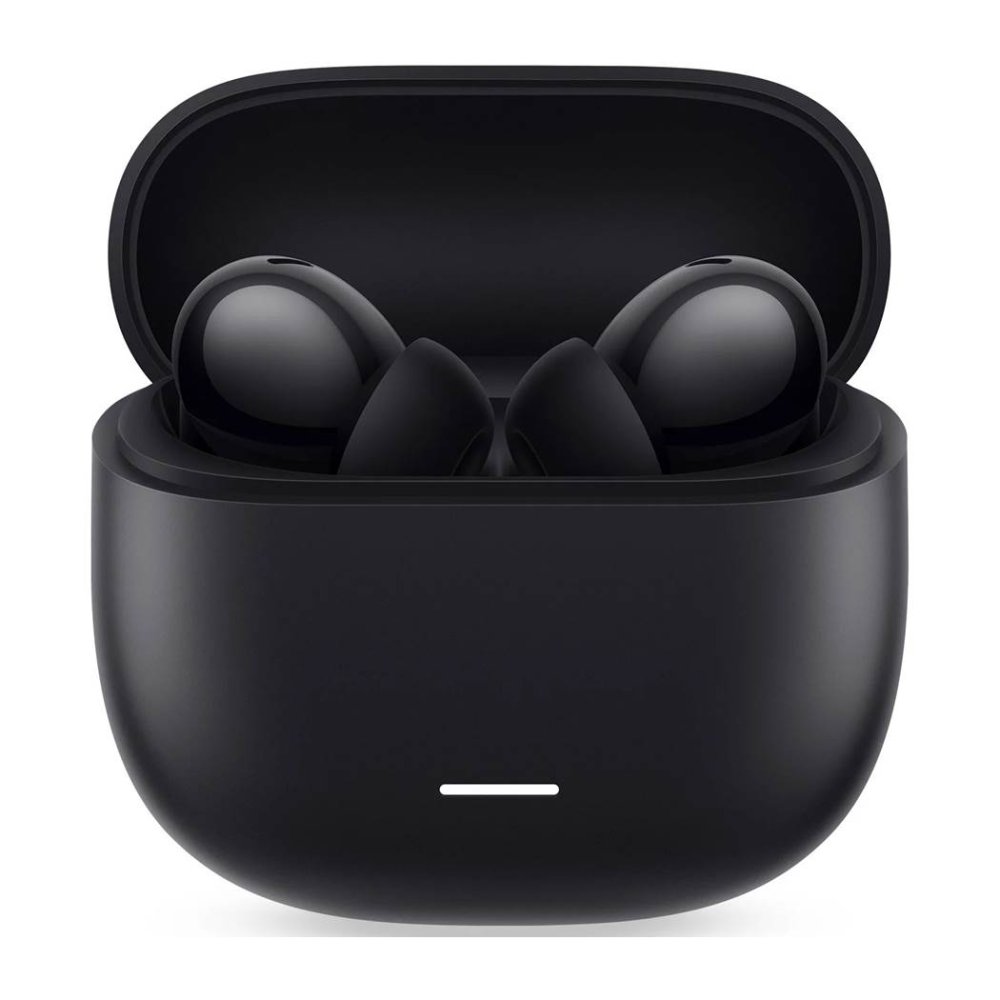
| Model No | Redmi Buds 5C |
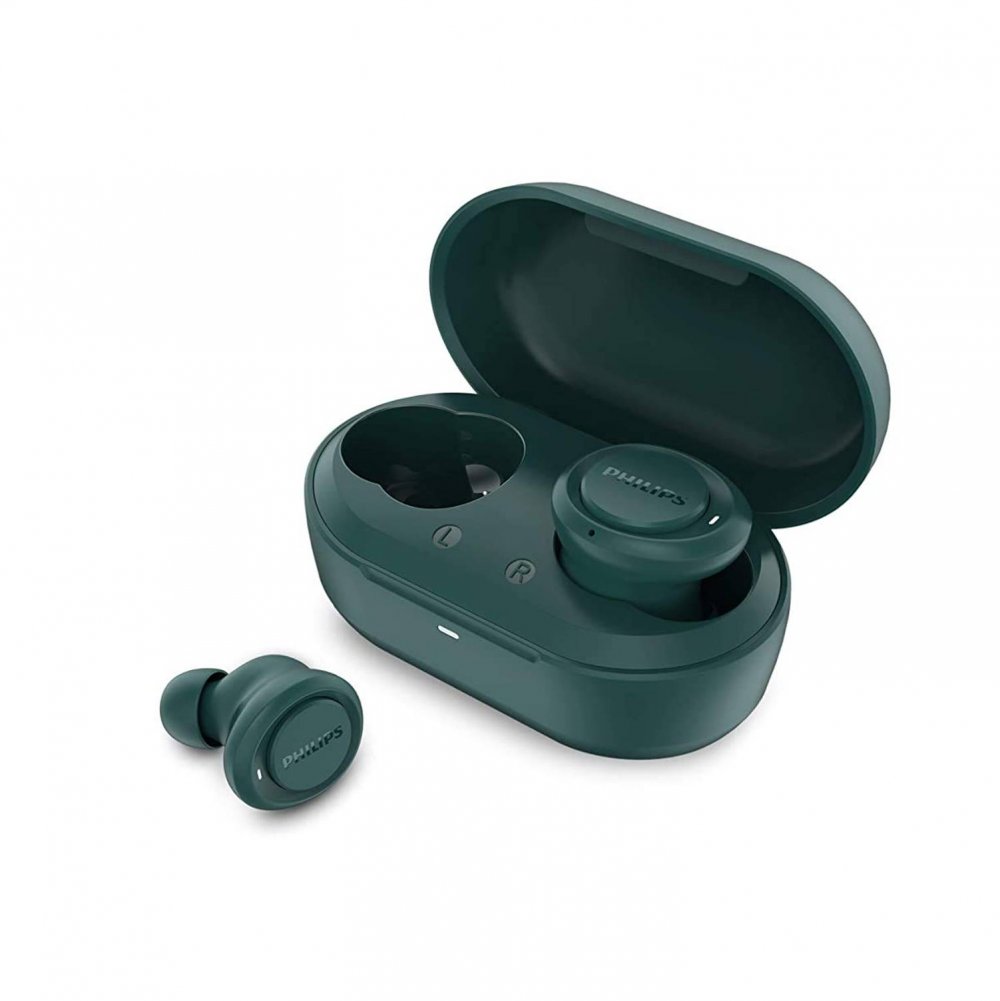
TAT1225BL/94 |
| Wired / Wireless | Wireless Headphone Specification |
Wireless Headphone Specification |
| Headphone Type | In Ear |
In Ear |
| Magnet Type | Dynamic |
Neodymium |
| Driver Diameter | 12.4 mm |
6 mm |
| Impedance | 32 Ohms |
16 ohm |
| Sensitivity | NA |
NA |
| Frequency Response | 20Hz - 20KHz |
20 Hz - 20000 kHz |
| Maximum Power Input | DC 5 V 1A |
NA |
| Wireless / Bluetooth Details | ||
| Wireless Technology | Bluetooth |
Bluetooth |
| Bluetooth Version | 5.3 |
5.1 |
| Compatible Profiles | All Bluetooth Devices |
All Bluetooth Devices |
| Supported Codecs | AAC, SBC |
A2DP, AVRCP, Handsfree, HFP, HSP |
| Battery Type | Lithium-Ion Batteries |
Lithium- Ion Batteries |
| Bluetooth Range | 10 Meters |
10 Meters |
| Battery Life | 36 Hours |
6+12 Hours |
| Charging Time | 2 Hours |
1.5 Hours |
| Noise Cancelling | Hybrid Active Noise Cancelling |
NA |
| Available Colors | Black, White, Blue |
Green |
| Connector Plating | NA |
NA |
| Cable | USB Type-C Charging Cable |
Micro USB-C Charging Cable |
| Weight | ‎43 GM |
60 gm |
| Other Features | Exceptional Sound Quality : Experience immersive audio with deep bass and crisp highs, perfect for music lovers and gamers alike. Long Battery Life : Enjoy up to 36 hours of total playback time with the charging case, so you can listen all day without interruption. Bluetooth 5.3 Connectivity : Enjoy a stable and fast connection with Bluetooth 5.3 technology, ensuring seamless pairing with your devices. Customizable EQ Settings : Tailor your sound experience with adjustable equalizer settings to suit your personal preferences and music genres. Quad Microphone System : Enjoy crystal-clear calls with four microphones featuring AI noise reduction, ensuring your voice is heard loud and clear. Gaming Mode : Activate low-latency gaming mode for a seamless audio experience, making every sound effect and dialogue crystal clear during gameplay. Rapid Charging : Get back to your music quickly! Just 10 minutes of charging provides up to 2 hours of playback time - perfect for on-the-go lifestyles. IP54 Water Resistance : Designed for durability, these earbuds are resistant to sweat and splashes, making them ideal for workouts or outdoor activities. Sleek & Ergonomic Design : Lightweight and comfortable, the Redmi Buds 5C fit securely in your ears, perfect for extended listening sessions without discomfort. Hybrid Active Noise Cancellation : Block out distractions with advanced noise cancellation technology, reducing ambient noise by up to 40dB for a focused listening experience. |
Secure, comfortable fit. Snug, lightweight design. IPX4 splash- and sweat-resistant. Easily wake your phone's voice assistant. Earbud switches to control music and calls. Extremely convenient, super-small charging case. Small charging case for up to 18 hours play time. Built-in mic with echo cancellation for clear audio. 6 mm neodymium drivers. Clear sound, punchy bass. Smart pairing. Automatically find your Bluetooth device. |
Compare Mi Redmi Buds 5C with:
Compare Philips TAT1225BL/94 with:
Top Differences
- Battery Life: 6+12 Hours vs 36 Hours
- Noise Cancelling: NA vs Hybrid Active Noise Cancelling
- Driver Size: 6 mm vs 12.4 mm
- Bluetooth: 5.1 vs 5.3
- Weight: 60 gm vs ‎43 GM