 ALERT
ALERT
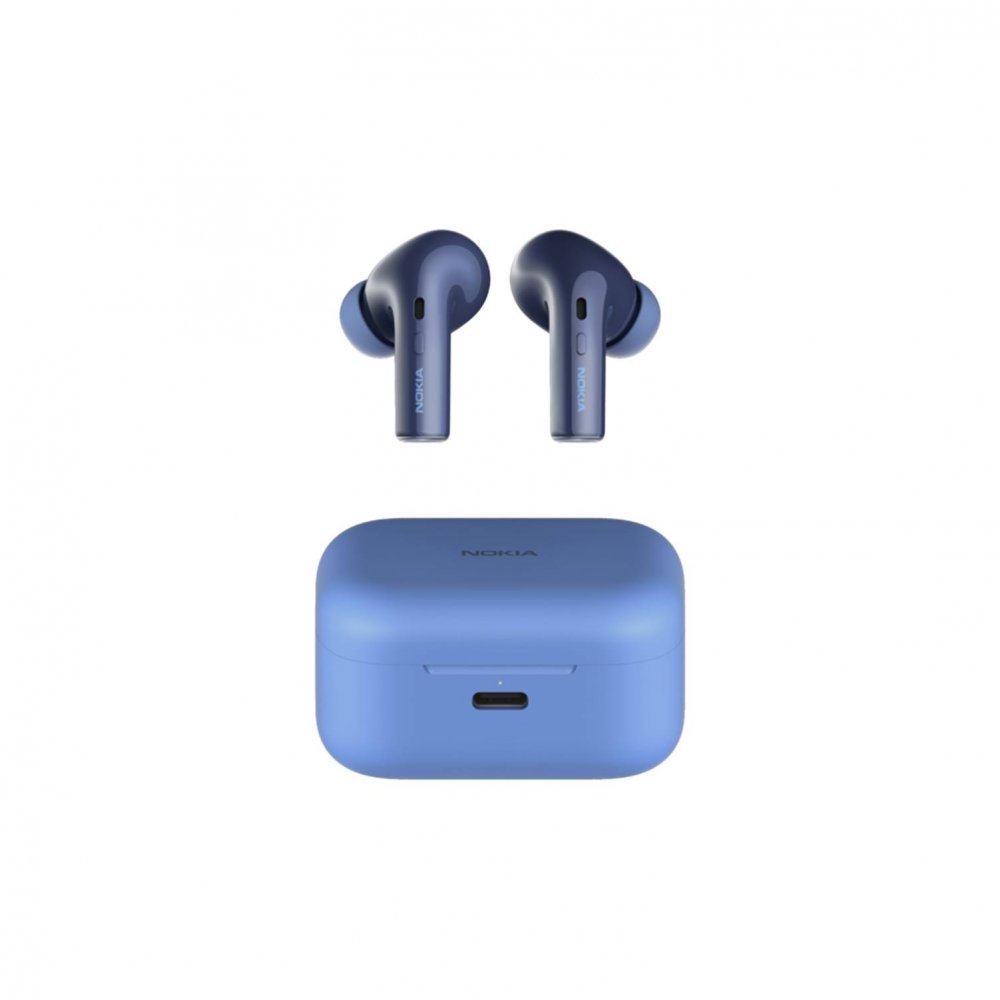
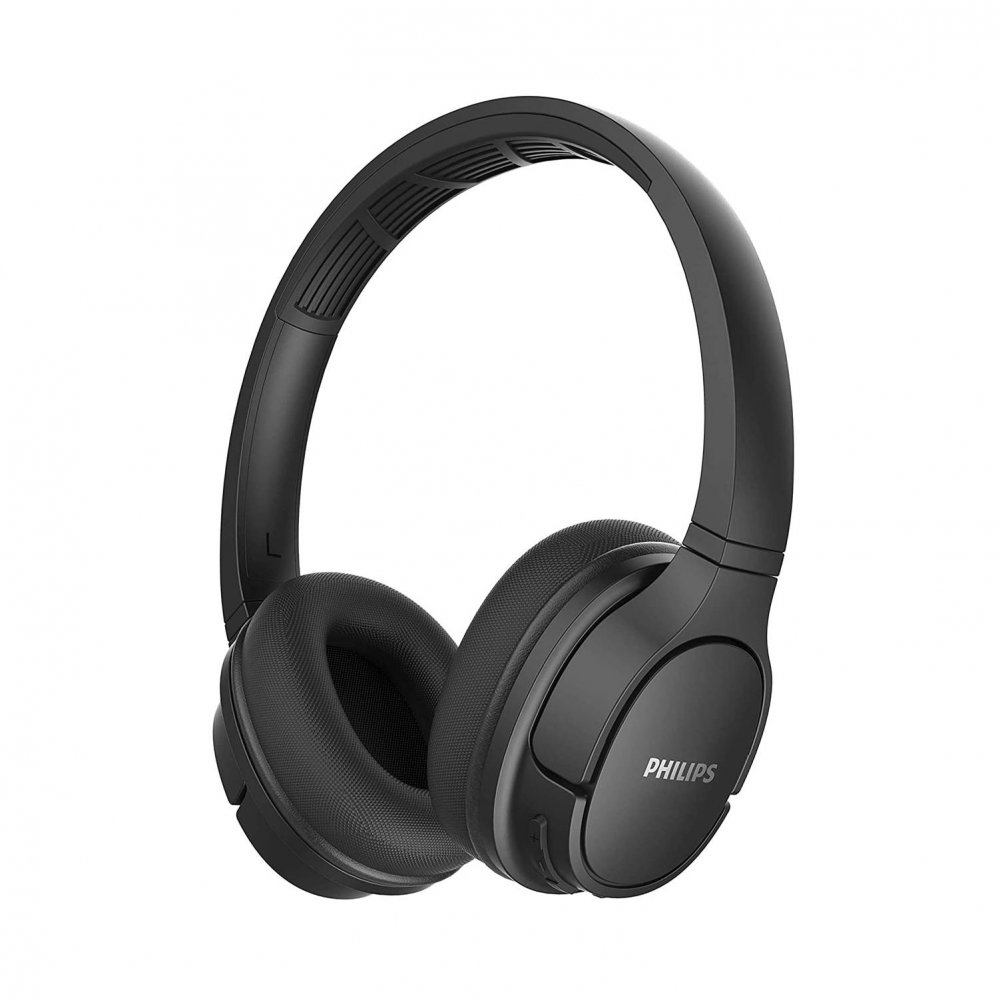
Nokia E3500 vs Philips ASH402BK/00
Advertisement
| Specification | ||
|---|---|---|
| Price | Rs.8,999.00 |
Rs.8,990.00 |
| Brand | Nokia |
Philips |
| Model No | E3500 |
ASH402BK/00 |
| Wired / Wireless | Wireless Headphone Specification |
Wireless Headphone Specification |
| Headphone Type | In Ear Canal |
On Ear |
| Magnet Type | Dynamic |
Neodymium |
| Driver Diameter | 10 mm |
40 mm |
| Impedance | 16 ohm |
32 ohm |
| Sensitivity | 103dB |
90 dB |
| Frequency Response | 20 Hz to 20000 kHz |
20 Hz - 20000 kHz |
| Maximum Power Input | 10 mW |
NA |
| Wireless / Bluetooth Details | ||
| Wireless Technology | Bluetooth |
Bluetooth |
| Bluetooth Version | 5.0 |
5.0 |
| Compatible Profiles | All Bluetooth Devices |
All Bluetooth Devices |
| Supported Codecs | HSP, HFP, AVRCP, A2DP |
A2DP, AVRCP, HFP, HSP |
| Battery Type | Lithium |
Lithium Polymer Batteries |
| Bluetooth Range | 10 Meters |
10 Meters |
| Battery Life | 25 Hours |
20 Hours |
| Charging Time | 2 Hours |
2 Hours |
| Noise Cancelling | CVC |
Passive |
| Available Colors | Black, White, Blue |
Black, Blue, Yellow |
| Connector Plating | NA |
NA |
| Cable | Type-C USB Charging Cable |
USB Charging Cable |
| Weight | 32 gm |
179 gm |
| Other Features | Be connected everywhere. Up to 25 hours* of sound. Listen to your surroundings. "Hey Google, take me home". Stay alert - Hear your outside surroundings with Ambient Mode. Say hello to superior call performance. The Qualcomm cVc - Clear Voice. Weatherproof to IPX5 is rated at Level 5 protection against damage from sweat The earphones are ultra-lightweight at just five grams - the same weight as a piece of A4 paper. Uninterrupted listening - Qualcomm aptX offers consistent high-quality and low latency audio. Dual microphones and Qualcomm cVc technology lessen background noise and enhance voice quality |
IPX4 splash and sweat resistant. Flat-folding design. Easy storage. From workout playlist to vital call. Sleek design. Flat-folding ear cups. 40 mm neodymium acoustic drivers. 20 hours play time. Stay-cool ear cups. Cooling ear cups. Train hard. Stay cool. Built-in mic with echo cancellation for clear audio. Quick Charge. Charge for 10 minutes, get 2 hours play. Smart pairing. Automatically find your Bluetooth device. Breathable ear-cup cushions. Easily detach for cleaning. Detailed sound. Good bass. Great passive noise isolation. |
Advertisement
Compare Nokia E3500 with:
Compare Philips ASH402BK/00 with:
Top Differences
- Battery Life: 25 Hours vs 20 Hours
- Noise Cancelling: CVC vs Passive
- Driver Size: 10 mm vs 40 mm
- Weight: 32 gm vs 179 gm
- Impedance: 16 ohm Vs 32 ohm
Advertisement