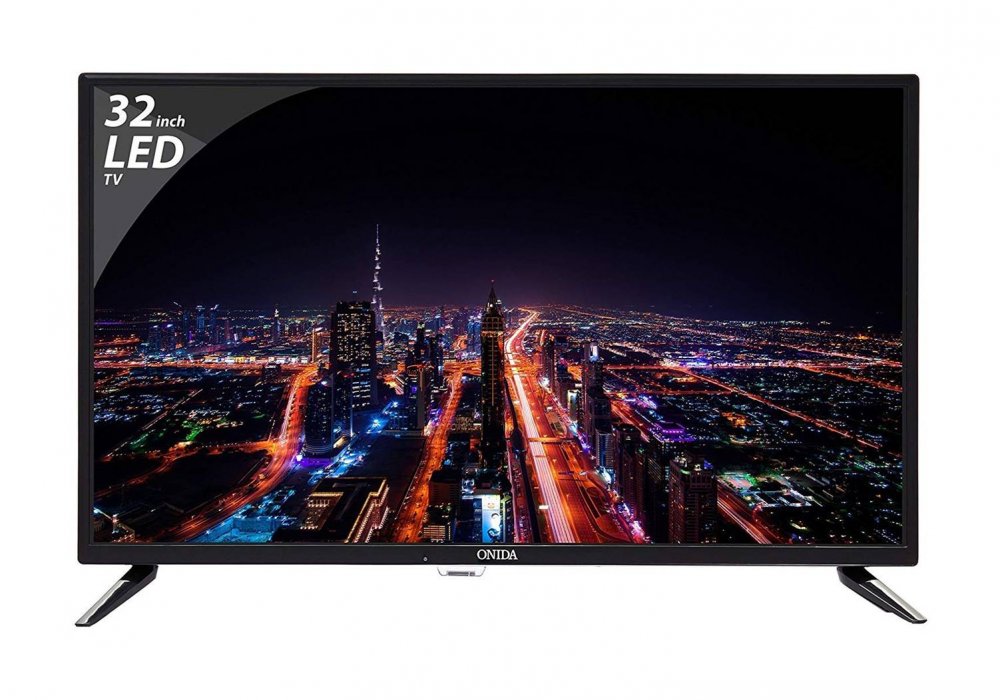
| Model No |
32HAF |
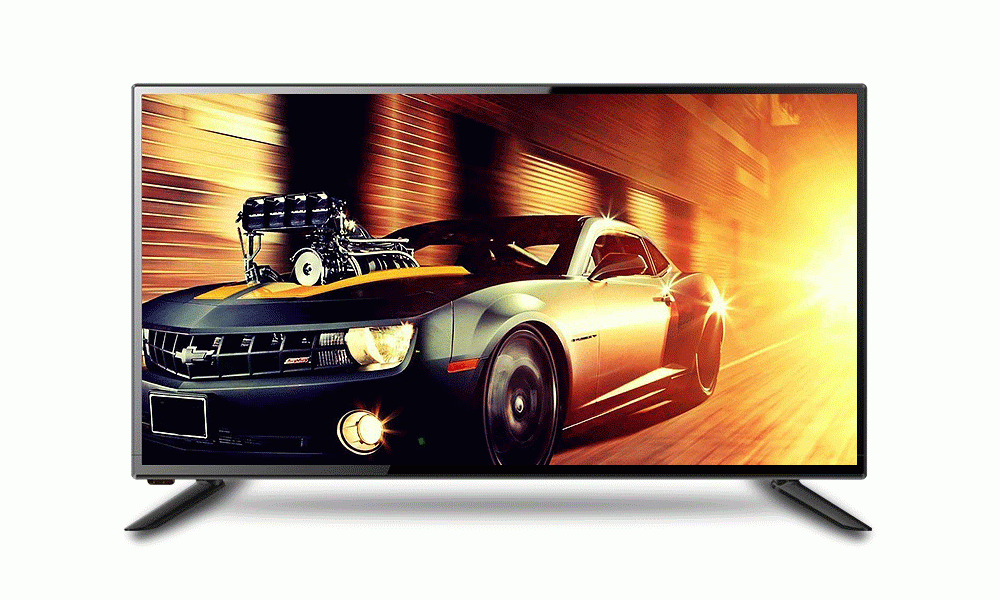
LED-3214 |
| TV Type |
LED TV |
LED TV |
| Screen Size |
32 Inch (80 cm) |
32 Inch (80 cm) |
| Resolution |
1366 x 768 |
1366 x 768 |
| Aspect Ratio |
16:9 |
16:9 |
| Motion Rate |
60 Hz |
NA |
| Viewing Angle |
178°/178° |
178/178 |
| USB |
| USB Version |
: 2.0 |
| Supported Audio Formats |
: MP3, AAC, WMA |
| Supported Video Formats |
: AVI, MKV, WMV, MP4, M4V, FLV, 3GPP, VRO, VOB |
| Supported Picture Formats |
: JPG |
|
| USB Version |
: 2.0 |
| Supported Audio Formats |
: MP3, AAC, WMA, PCM |
| Supported Video Formats |
: MKV, DivX, MP4, AVI, ASF, MOV, FLV, DAT, VOB |
| Supported Picture Formats |
: JPG |
|
| Video |
| Backlight |
: LED |
| Brightness |
: 300 cd / ㎡ ( Typ ) |
| Contrast Ratio |
: 1200:1 ( Typical ); 900:1 ( Min ) |
| Colors |
: 16.7 M Colours |
| Picture Modes |
: Vivid, Cinema, News, Sports, Normal |
|
| Dynamic Contrast Ratio |
: Mega |
| Response Time (ms) |
: 8 |
| Brightness |
: 250 |
| Panel Type |
: HD Panel |
|
| Audio |
| Audio Output ( RMS ) |
: 8 W + 8 W |
| Number of Speakers |
: 2 |
| Sound system |
: BG, DK, I |
| HOTEL NODE |
: Optional |
|
| Sound Output |
: 2 x 10 W |
| Sound Effect System |
: Stereo |
| Speaker Location |
: Bottom |
|
| Connectivity Options |
| HDMI |
: 2 Input |
| USB |
: 1 |
| AV Out Line Out |
: Yes |
| VGA |
: Yes |
| PC Audio IN |
: Yes |
| AV In ( CVBS / Left / Right ) |
: 1 Input |
| RF Input |
: 1 Input |
|
| HDMI |
: 2 |
| USB 2.0 |
: 2 |
| Component |
: 1 |
| VGA Input |
: 1 |
| Composite (AV) Out |
: 1 |
| PC Audio Input (Mini Jack) |
: 1 |
| Headphone |
: 1 |
| RF In |
: 1 |
| Composite (AV) In |
: 2 |
|
| Other Features |
| Number Of Programs |
: 200 |
| Panel Type |
: ADS |
| Sleep Timer |
: Yes |
| Blue Black |
: Yes |
| Multi Media Player |
: Yes |
| Colour Scheme |
: Black |
| Colour System ATV |
: PAL, SECAM |
| Playback Systems |
: PAL, NTSC, SECAM |
| Local Keyboard |
: Single Key Operation |
| Colour Temperature |
: Normal, Cool, Warm |
| OSD Languges |
: English, Russian, Arabic |
|
| LED Technology |
: DLED |
| Full HD Video Playability through USB 2.0 |
: Yes |
| Built in Stereo Speaker |
: Yes |
| Digital Noise Reduction |
: Yes |
| Intelligent Picture Technology |
: Yes |
| Eye Safe T Matrix |
: Yes |
| Smart Power Saving |
: Yes |
| Certification |
: ROHS |
|
| General Details |
| Power Requirements |
: 100 ~ 240 VAC ; 50Hz / 60Hz |
| Power Consumption |
: 60 W |
| Pixel Pitch ( H x V ) |
: 3510.75 mm x 510.75 mm |
| Product Weight |
: 4.5 Kg +/-0.3 Kg |
| Weight With Stand |
: 6.4 Kg |
|
| Power Supply |
: 110 V - 220 V 50 / 60Hz |
| Power Consumption |
: 45 W |
| Power Consumption Standby |
: 0.1 W |
|
| Supplied Accessories |
| Remote Control |
: RC389 |
| Batteries |
: YES |
| User Manual |
: YES |
| Wall Mount |
: YES |
|
| Remote Control |
: Yes |
| Batteries |
: Yes |
| User Manual |
: Yes |
| Warranty Card |
: Yes |
| Power Cable |
: Yes |
| Wallmount |
: Yes |
|
 ALERT
ALERT