 ALERT
ALERT
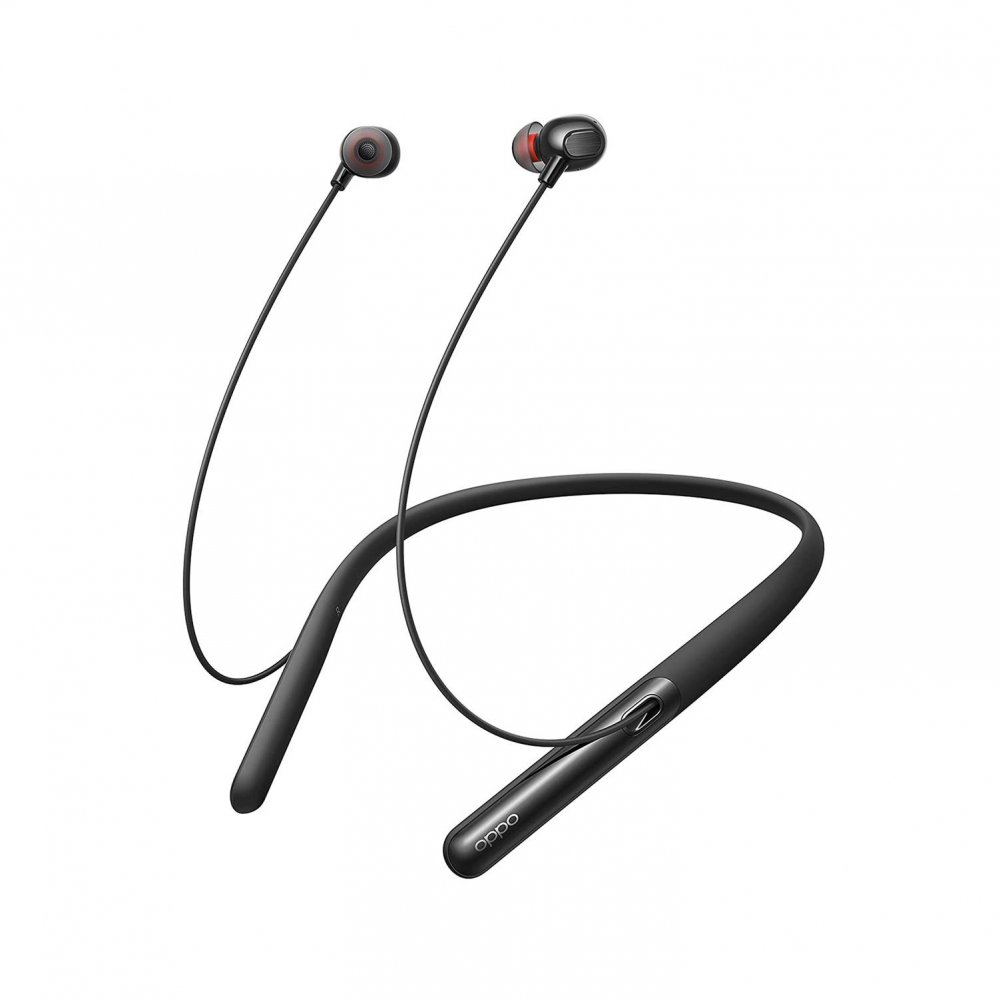
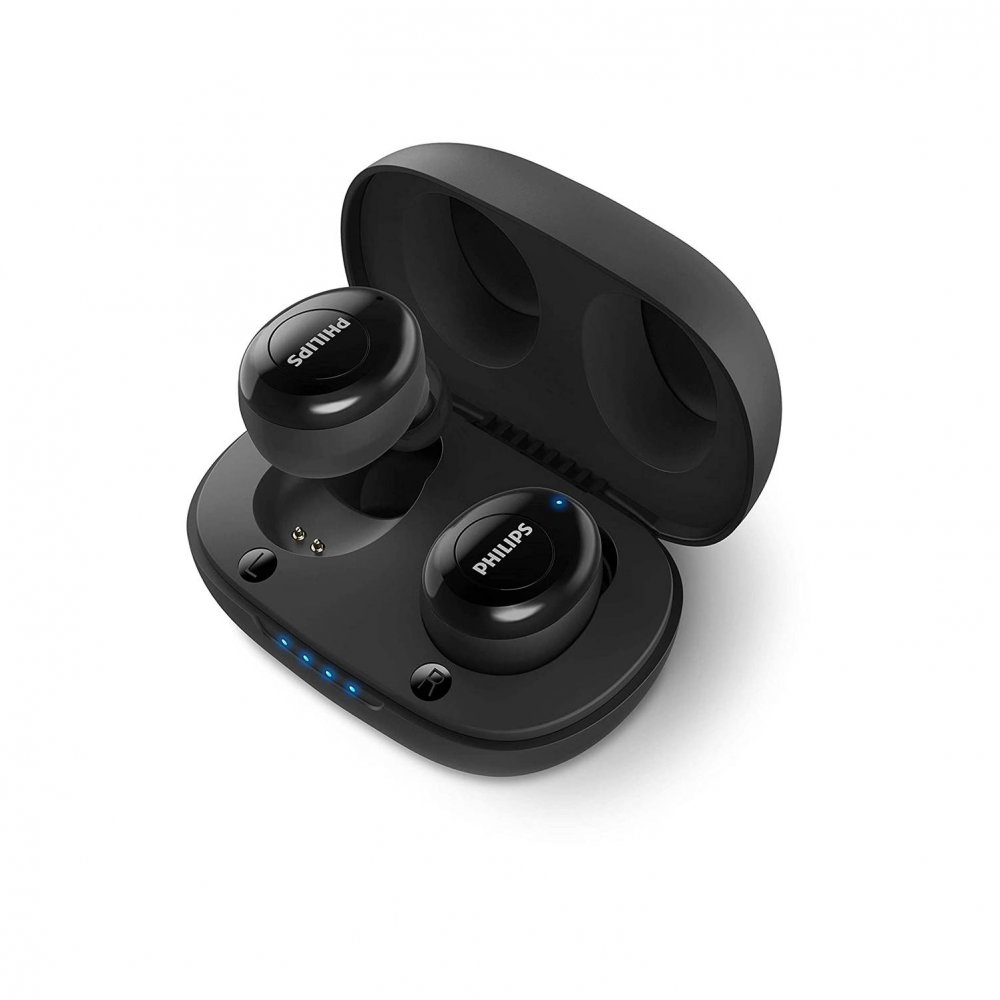
Oppo Enco Q1 vs Philips TAUT102WT/00
Advertisement
| Specification | ||
|---|---|---|
| Price | Rs.5,990.00 |
Rs.5,990.00 |
| Brand | Oppo |
Philips |
| Model No | Enco Q1 |
TAUT102WT/00 |
| Wired / Wireless | Wireless Headphone Specification |
Wireless Headphone Specification |
| Headphone Type | In Ear |
In Ear |
| Magnet Type | Dynamic |
Neodymium |
| Driver Diameter | 11.8 mm |
6 mm |
| Impedance | 32 ohm |
16 ohm |
| Sensitivity | 99dB |
NA |
| Frequency Response | 20 Hz ~ 20000 kHz |
20 Hz - 20000 kHz |
| Maximum Power Input | 5 mW |
NA |
| Wireless / Bluetooth Details | ||
| Wireless Technology | Bluetooth |
Bluetooth |
| Bluetooth Version | 5.0 |
5.0 |
| Compatible Profiles | All Bluetooth Devices |
All Bluetooth Devices |
| Supported Codecs | LHDC, AAC, SBC |
A2DP, Handsfree, HFP, HSP, AVRC, SBCP |
| Battery Type | Lthium-ion Battery |
Lithium- Ion Batteries |
| Bluetooth Range | 10 Meters |
10 Meters |
| Battery Life | 22 Hours |
3+9 Hours |
| Charging Time | 2 Hours |
2 Hours |
| Noise Cancelling | Digital |
Passive |
| Available Colors | Black, White, Red |
Black, White |
| Connector Plating | NA |
NA |
| Cable | USB Type-C Charging Cable |
USB Charging Cable |
| Weight | 42 gm |
32 gm |
| Other Features | The noise cancelling function works best in low-frequency noise environments, such as airplanes, trains, and offices. Results are less pronounced around higher-frequency noise, such as nearby voices. Play time test data is based on OPPO laboratory tests performed in Music mode at 50% speaker volume. Due to performance characteristics of Bluetooth headphones, electromagnetic interference in the surrounding environment may impact their signal stability. Due to the performance characteristics of wireless technology, sounds and images may become desynchronized during video or game play. IPX4 water resistance cannot guarantee damage prevention under extreme conditions. Quick pairing and power level check capabilities are supported by the OPPO Reno 2, Reno, Reno 10X, and K3, and will be supported by the OPPO Reno 2, Reno, Reno 10X, and K3, and will be supported by other models soon. |
Five matte colorways. Small earphone design. Noise and echo cancellation for clear voice. Secure, comfortable fit. No need for wingtips. Get up to 12 hours play time with the charging case. Three sizes of ear-tip cover-for a perfectly secure fit. Multi-function button. Easily control music and calls. Small charging case. Multiple charges in your pocket. Mono mode for when you want to leave one ear free. Oval acoustic tube. Comfort and passive noise isolation. Smart pairing. Automatically find your Bluetooth device. 6 mm neodymium acoustic drivers. Great sound, punchy bass. |
Advertisement
Compare Oppo Enco Q1 with:
Compare Philips TAUT102WT/00 with:
Top Differences
- Battery Life: 22 Hours vs 3+9 Hours
- Noise Cancelling: Digital vs Passive
- Driver Size: 11.8 mm vs 6 mm
- Weight: 42 gm vs 32 gm
- Impedance: 32 ohm Vs 16 ohm
Advertisement