 ALERT
ALERT
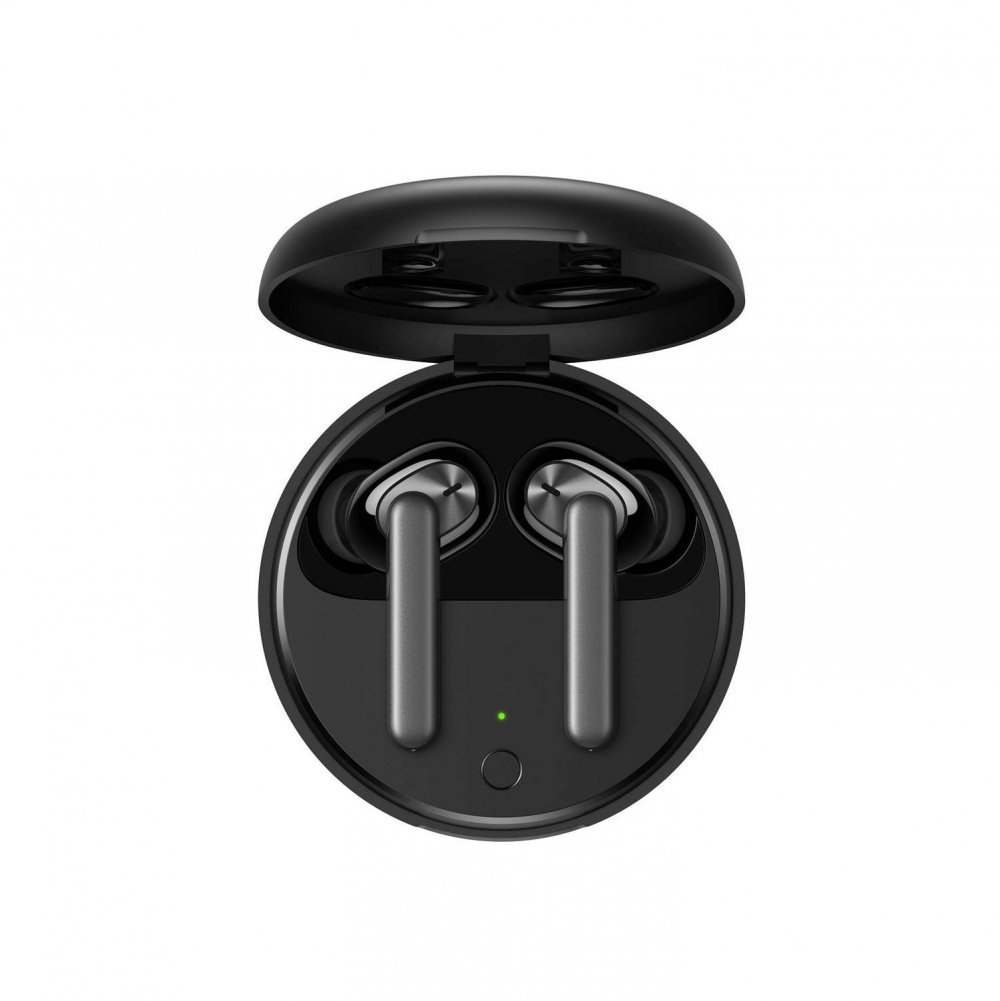
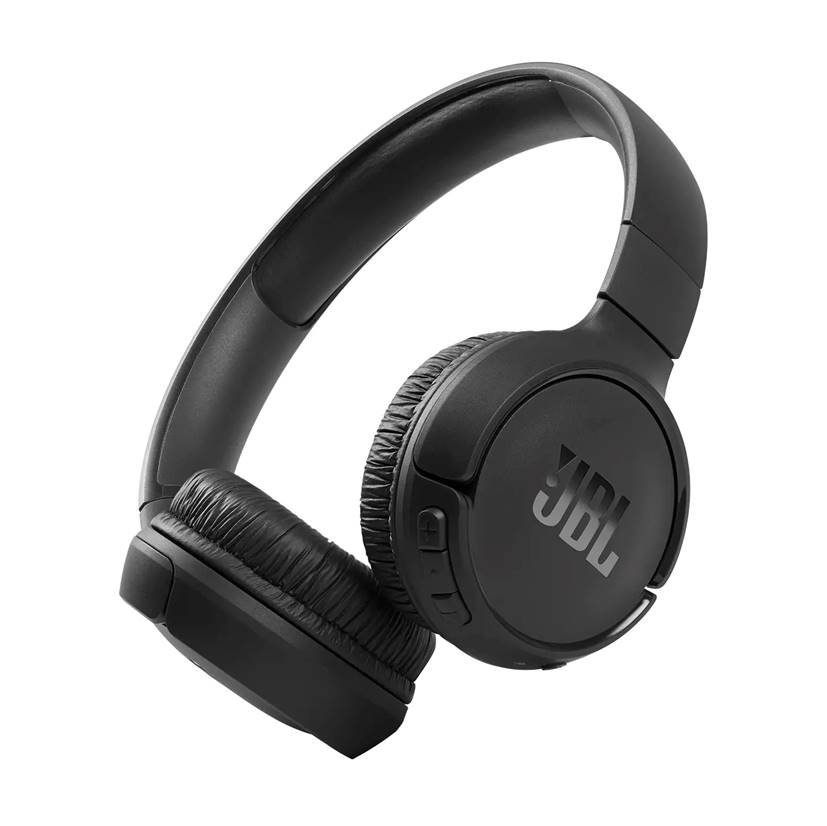
Oppo Enco W31 True vs JBL Tune 510BT
Advertisement
| Specification | ||
|---|---|---|
| Price | Rs.3,499.00 |
Rs.3,499.00 |
| Brand | Oppo |
JBL |
| Model No | Enco W31 True |
Tune 510BT |
| Wired / Wireless | Wireless Headphone Specification |
Wireless Headphone Specification |
| Headphone Type | In Ear |
On Ear |
| Magnet Type | Dynamic |
Dynamic |
| Driver Diameter | 7 mm |
32 mm |
| Impedance | NA |
32 Ohm |
| Sensitivity | 95dB |
103.5dBSPL |
| Frequency Response | 20 Hz ~ 20000 kHz |
20 Hz - 20000 Hz |
| Maximum Power Input | NA |
5V / 1A |
| Wireless / Bluetooth Details | ||
| Wireless Technology | Bluetooth |
Bluetooth |
| Bluetooth Version | 5.2 |
5.0 |
| Compatible Profiles | All Bluetooth Devices |
All Bluetooth Devices |
| Supported Codecs | LHDC, AAC, SBC |
HFP, A2DP, AVRCP |
| Battery Type | Lthium-ion Battery |
Lithium-ion Batteries |
| Bluetooth Range | 10 Meters |
10 Meters |
| Battery Life | 15 Hours |
40 Hours |
| Charging Time | 2.5 Hours |
2 Hours |
| Noise Cancelling | AI Enabled |
NA |
| Available Colors | Black, White |
Black, White, Blue |
| Connector Plating | NA |
NA |
| Cable | USB Type-C Charging Cable |
USB Type-C Charging Cable |
| Weight | 50 gm |
160 Gm |
| Other Features | 12 Months Warranty. IP54 Dust and Water Resistance. AI enabled Noise Cancellation during calls. Ultra Low-Latency ensure lag free gaming experience. Compatible with all android & iOS Smartphones. Single Charge provide, 15 hours of music playback with the charging case. Two Music Mode: Balance Mode & Bass Mode provide best sound quality. Wearing Detection: Automatic play & pause, quick pairing with a 12 Month Manufacturer Warranty. |
JBL Pure Bass Sound. Ask Siri or Hey Google. Multi-point connections. Wireless Bluetooth 5.0 Streaming. Up to 40H battery life and speed charge. Lightweight, comfortable and foldable design. A quick 5-minute recharge gives you 2 additional hours of music. Easily control your sound and manage your calls from your headphones with the convenient buttons on the ear-cup. Siri or Hey Google is just a button away: activate the voice assistant of your device by pushing the multi-function button. |
Advertisement
Compare Oppo Enco W31 True with:
Compare JBL Tune 510BT with:
Top Differences
- Battery Life: 15 Hours vs 40 Hours
- Noise Cancelling: AI Enabled vs NA
- Driver Size: 7 mm vs 32 mm
- Bluetooth: 5.2 vs 5.0
- Weight: 50 gm vs 160 Gm
Advertisement