 ALERT
ALERT
Oppo Enco W31 vs JBL TUNE 110BT
Advertisement
| Specification | ||
|---|---|---|
| Price | Rs.1,999.00 |
Rs.1,999.00 |
| Brand | Oppo |
JBL |
| Model No | Enco W31 |
TUNE 110BT |
| Wired / Wireless | Wireless Headphone Specification |
Wireless Headphone Specification |
| Headphone Type | Neckband |
In Ear |
| Magnet Type | Dynamic |
Dynamic |
| Driver Diameter | 9.2 mm |
8.6 mm |
| Impedance | NA |
16 ohm |
| Sensitivity | 101.9dB |
96dB |
| Frequency Response | 20 Hz ~ 20000 kHz |
20 Hz - 20000 kHz |
| Maximum Power Input | 5 mW |
NA |
| Wireless / Bluetooth Details | ||
| Wireless Technology | Bluetooth |
Bluetooth |
| Bluetooth Version | 5.0 |
4.0 |
| Compatible Profiles | All Bluetooth Devices |
All Bluetooth Devices |
| Supported Codecs | A2DP SBC |
HFP, HSP, AVRCP, A2DP |
| Battery Type | Lthium-ion Battery |
Polymer Li-ion Battery |
| Bluetooth Range | 10 Meters |
10 Meters |
| Battery Life | 12 Hours |
>6 Hours |
| Charging Time | 2 Hours |
<2 Hours |
| Noise Cancelling | AI Uplink |
NA |
| Available Colors | Black, Green |
Black, White, Blue, Grey, Pink |
| Connector Plating | NA |
No |
| Cable | USB Type-C Charging Cable |
ICON Charging Cable |
| Weight | 22 gm |
16.2 gm |
| Other Features | 12 Month Manufacturer Warranty. IPX5 water resistance cannot guarantee protection under extreme conditions. Typical Bluetooth® data is based on Bluetooth A2DP SBC (328 Kbps, 44.1 kHz) standards. Voice assistant activation and power level checking capabilities are supported by OPPO smartphones running ColorOS version 6.0 or higher. Due to performance characteristics of Bluetooth® headphones, electromagnetic interference in the surrounding environment may impact their signal stability. "High-quality audio format" refers to LDAC and "Typical audio format" refers to non-LDAC formats. Devices running Android version 8.1 or higher support LDAC by default. For longer play time, you can turn off high-quality audio in your phone's Bluetooth® settings. |
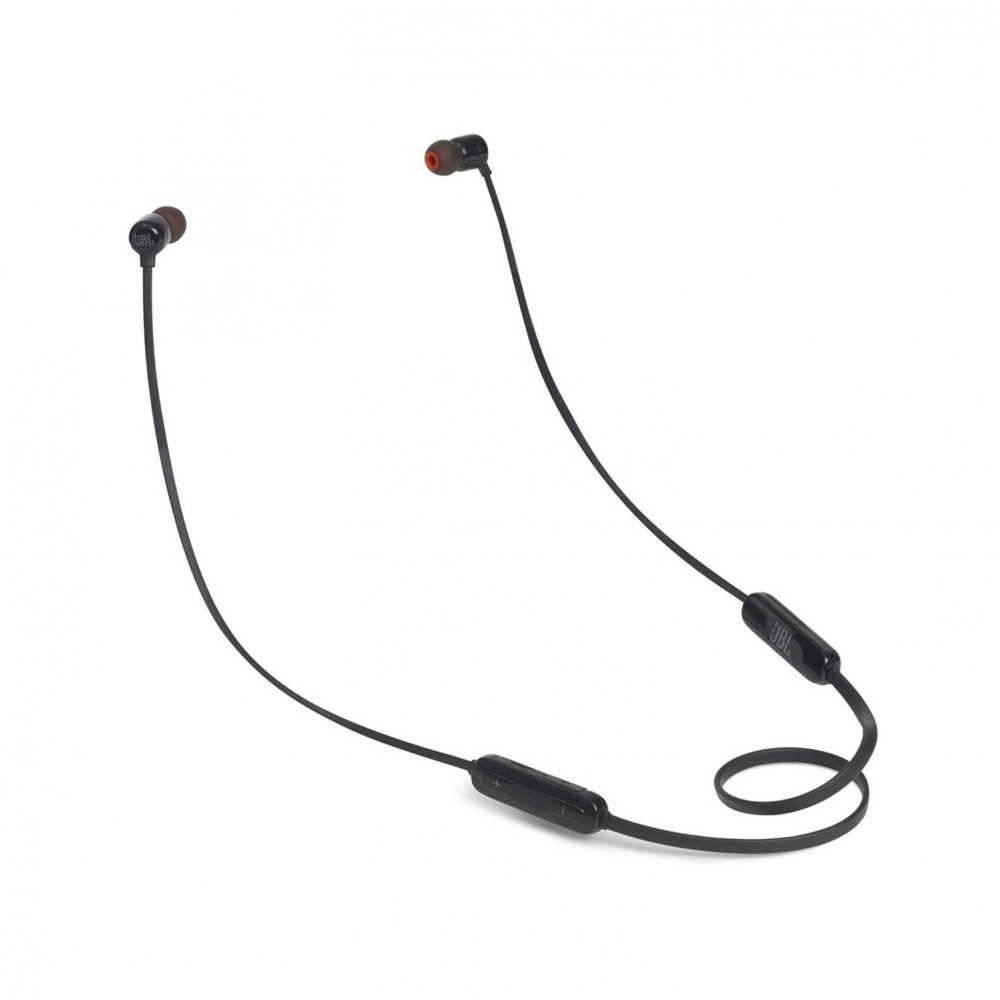
JBL Pure Bass Sound. Magnetic cable management. 3-Button Remote with Microphone. One year manufacturer’s warranty. A grab 'n' go solution that sounds great. 6 hours of playtime under optimum audio settings. Lightweight and Comfortable with 3 sizes of ear tips. |

Advertisement
Compare Oppo Enco W31 with:
Compare JBL TUNE 110BT with:
Top Differences
- Battery Life: >6 Hours vs 12 Hours
- Noise Cancelling: NA vs AI Uplink
- Driver Size: 8.6 mm vs 9.2 mm
- Bluetooth: 4.0 vs 5.0
- Weight: 16.2 gm vs 22 gm
Advertisement