 ALERT
ALERT
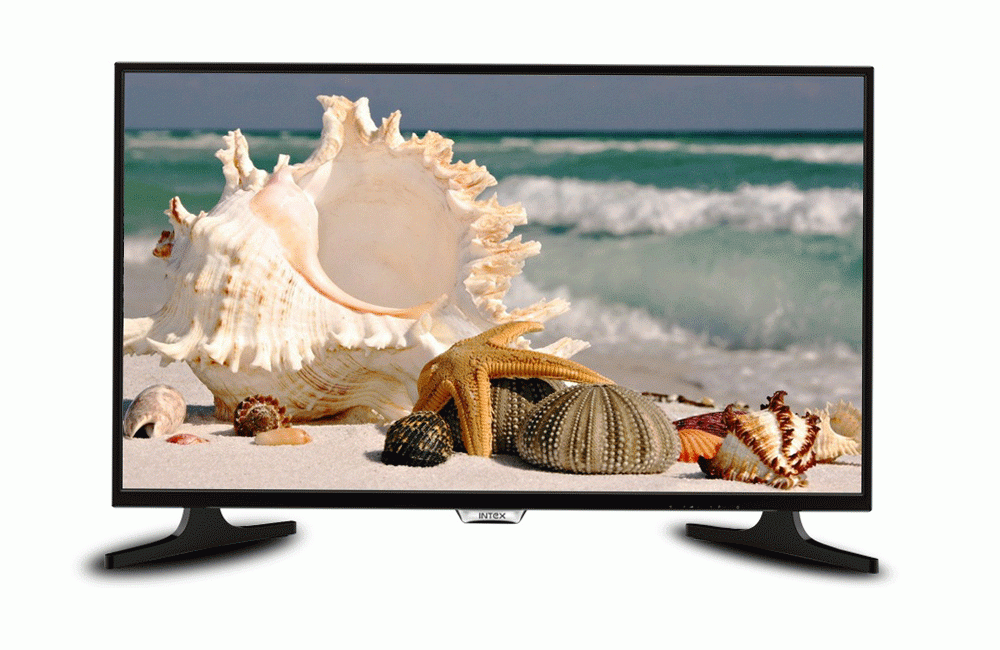
Panasonic TH-32J200DX vs Intex LED-3213
Advertisement
| Specification | ||||||||||||||||||||||||
|---|---|---|---|---|---|---|---|---|---|---|---|---|---|---|---|---|---|---|---|---|---|---|---|---|
| Model No | TH-32J200DX | LED-3213 | ||||||||||||||||||||||
| TV Type | LED TV | LED TV | ||||||||||||||||||||||
| Screen Size | 32 Inch (80 cm) | 32 Inch (80 cm) | ||||||||||||||||||||||
| Resolution | 1366 x 768 | 1366 x 768 | ||||||||||||||||||||||
| Aspect Ratio | 16:9 | 16:9 | ||||||||||||||||||||||
| Motion Rate | 60 Hz | NA | ||||||||||||||||||||||
| Viewing Angle | 178°/178° | 176/176 | ||||||||||||||||||||||
| USB |
|
|
||||||||||||||||||||||
| Video |
|
|
||||||||||||||||||||||
| Audio |
|
|
||||||||||||||||||||||
| Connectivity Options |
|
|
||||||||||||||||||||||
| Other Features |
|
|
||||||||||||||||||||||
| General Details |
|
|
||||||||||||||||||||||
| Supplied Accessories |
|
|

Advertisement
Compare Panasonic TH-32J200DX with:
Compare Intex LED-3213 with:
Top Differences
- Refresh Rate: NA Vs 60 Hz
Advertisement