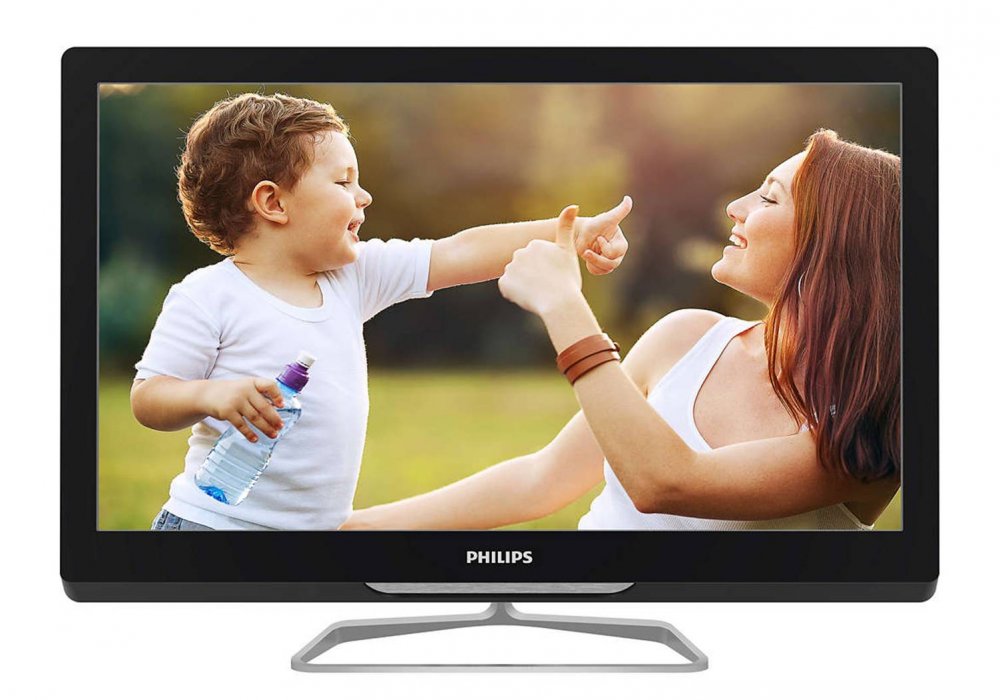
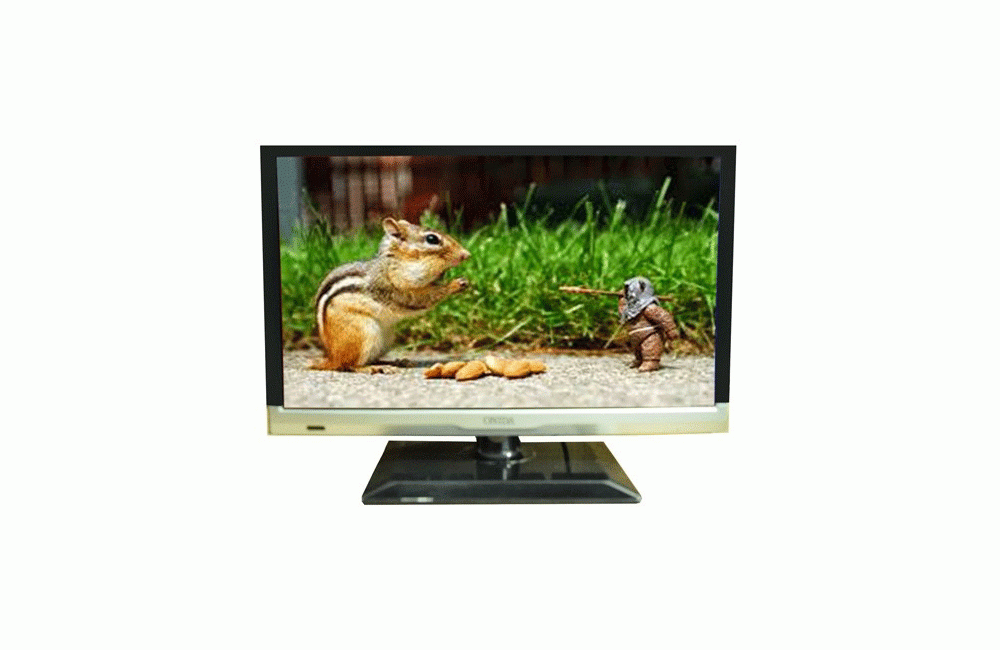
| Model No |
22PFL3951-V7 |
LEO20HE |
| TV Type |
LED TV |
LED TV |
| Screen Size |
22 Inch (54.70 cm) |
20 Inch (50.80 cm) |
| Resolution |
1920 x 1080 |
1366 x 768 |
| Aspect Ratio |
16:9 |
16:9 |
| Motion Rate |
240 Hz |
100 Hz |
| Viewing Angle |
178°/178° |
178 / 178 degrees |
| USB |
| USB Version |
: 2.0 |
| Supported Audio Formats |
: MP3 |
| Supported Video Formats |
: AVI, MP4, MKV, PS, ASF, MOV, MPG, MPEG |
| Supported Picture Formats |
: JPEG, BMP, JPE, PNG |
|
| USB Version |
: 2.0 |
| Supported Audio Formats |
: MP3, AAC, WMA |
| Supported Video Formats |
: MKV, DivX, MP4, AVI, ASF, MOV, FLV, DAT, VOB |
| Supported Picture Formats |
: JPG |
|
| Video |
| 3D Combfilter |
: Yes |
| Digital Crystal Clear Plus |
: Yes |
| Digital Noise Reduction |
: Yes |
|
| Selectable Picture Modes |
: Vivid / Cinema / News / Sports / Normal |
| Video Processing |
: SRV Engine |
| Dynamic contrast ratio |
: 1000000 : 1 |
| Flesh Tone Adjust |
: Off, Low, Medium, High |
| Noise Reduction |
: Off, Low, Medium, High |
| Display Color |
: 16.7 Million |
| Colour System |
: Pal / Secam / Auto |
| Backlight Module |
: EDGE LED |
|
| Audio |
| Output Power ( RMS ) |
: 20 W |
| Auto Volume Leveller |
: Yes |
| Built-In Speakers |
: 2 |
| Sound System |
: Stereo |
|
| Audio Output |
: 2 x 100 Watts PMPO |
| Sound Modes |
: Movie, Music, Flat, Normal |
| Equalizer |
: Yes |
| Surround Sound |
: Yes |
|
| Connectivity Options |
| HDMI |
: 2 |
| USB |
: 2 |
| Number Of AV Connections |
: 1 |
| Antenna IEC75 |
: Yes |
|
| USB |
: 1 |
| HDMI |
: 1 |
| Composite Video In |
: 1 |
| Component Video (Y/Pb/Pr) In |
: 1 |
| VGA |
: 1 |
| AV Out |
: 1 |
| PC Audio In |
: 1 |
|
| Other Features |
| Autostore |
: Yes |
| Fine Tuning |
: Yes |
| Graphical User Interface |
: Yes |
| On Screen Display |
: Yes |
| Child Protection |
: Yes |
| On-Screen Display Languages |
: English, Hindi |
|
| USB Play |
: Movie, Music, Jpeg |
| OSD Languages |
: English / Arabic / Russian |
| Hotel Mode |
: Optional |
| Wake Up Timer |
: Yes |
| Others |
: Alarm |
| Design |
: Opaque Finish |
|
| General Details |
| Power Supply |
: 100-240VAC, 50/60Hz |
| Power Consumption |
: 40 W |
| Standby Power Consumption |
: Less Than 1 W |
| TV Without Stand |
: 3.5 Kg |
| Product Weight With Stand |
: 3.8 Kg |
|
| Power Supply |
: 100 240VAC ; 50Hz / 60HZ |
| Power Consumption |
: 35 Watts |
| Power Consumption (Standby) |
: 0.1 Watts |
| Weight without Stand |
: 4.5 Kg |
| Weight with Stand |
: 5 Kg |
|
| Supplied Accessories |
| Remote Control |
: Yes |
| 2 x AAA Batteries |
: Yes |
| User Manual |
: Yes |
| Power Cord |
: Yes |
| Warranty certificate |
: Yes |
| Safety / Legal Instructions |
: Yes |
| Tabletop Swivel Stand |
: Yes |
| Wall Mounting Bracket |
: Yes |
|
| Remote Control |
: Yes |
| Battery Cell |
: Yes |
| Wall Mount |
: Yes |
| Instruction Manual |
: Yes |
| Table Top |
: Yes |
|
 ALERT
ALERT