 ALERT
ALERT
Advertisement
| Specification | ||
|---|---|---|
| Price | Rs.2,499.00 |
Rs.2,499.00 |
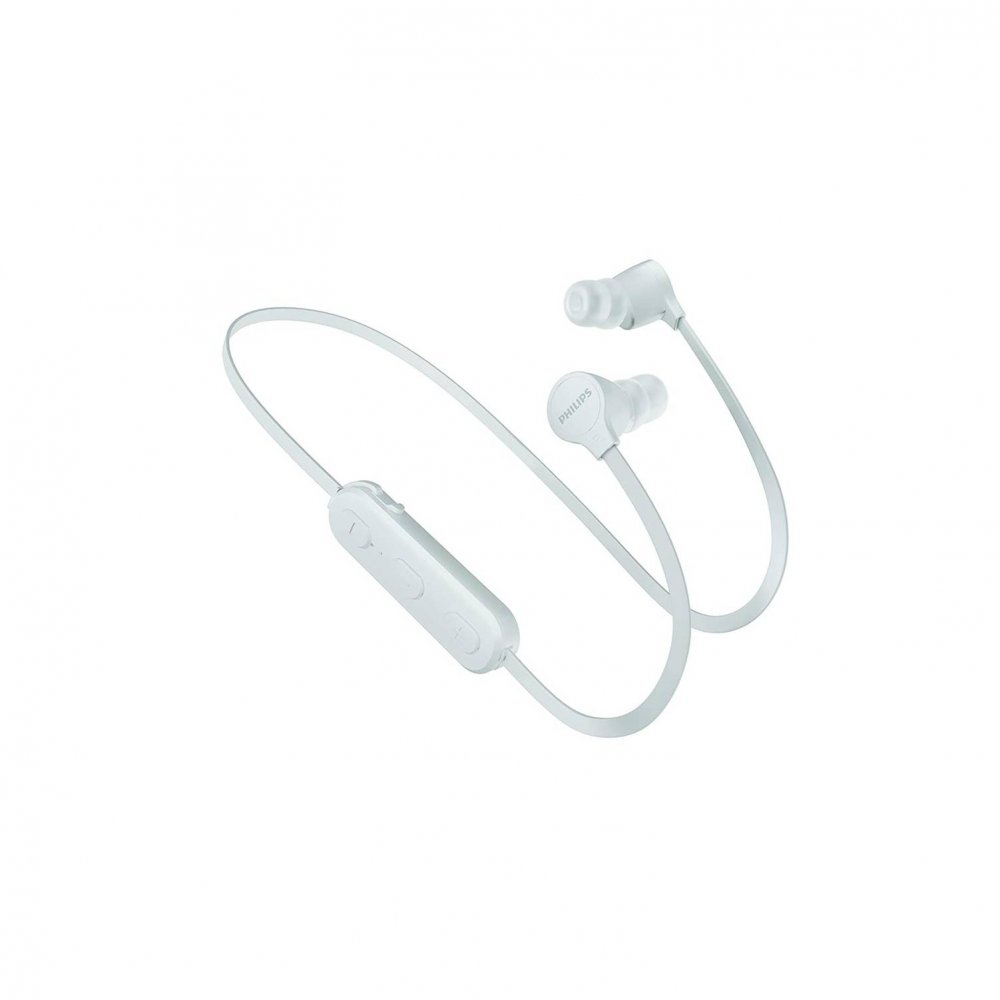
| Brand | Philips |
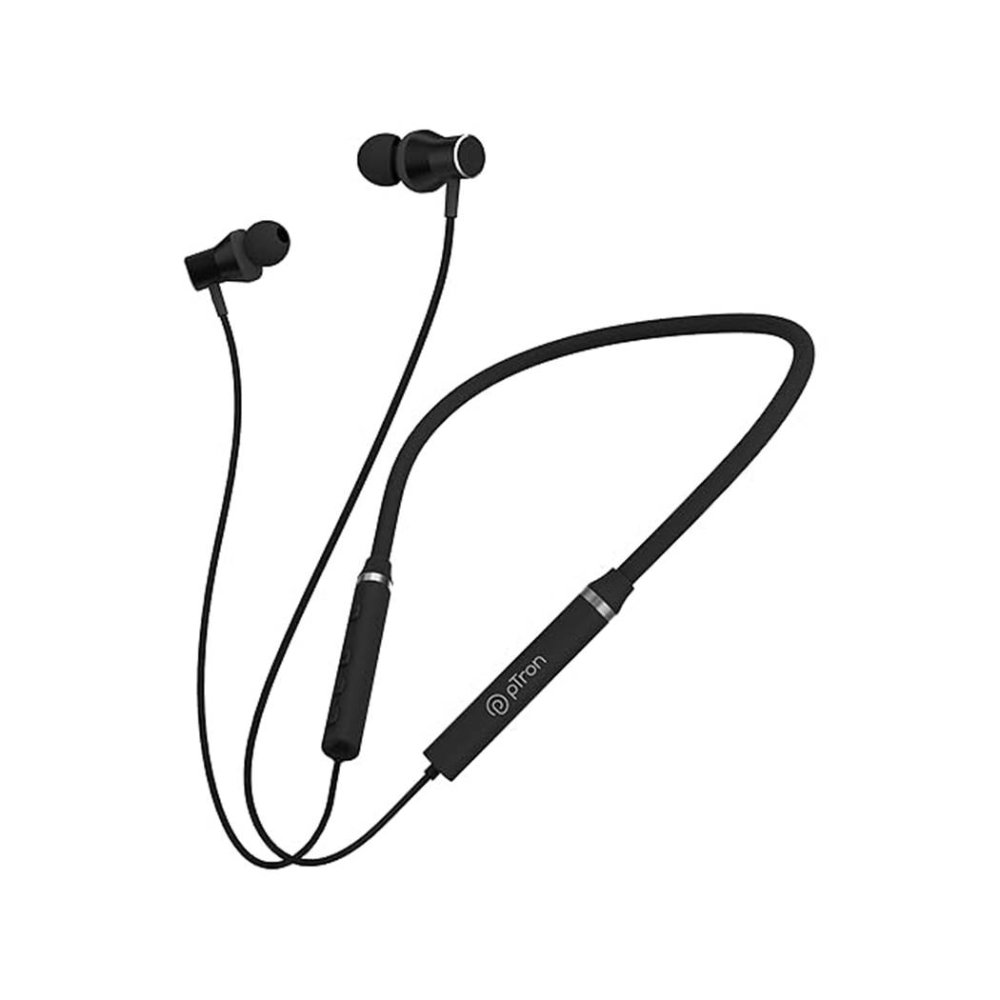
pTron |
| Model No | SHB1805WT/10 |
Tangentbeat Wireless |
| Wired / Wireless | Wireless Headphone Specification |
Wireless Headphone Specification |
| Headphone Type | In Ear Canal |
Neckband |
| Magnet Type | Neodymium |
Dynamic |
| Driver Diameter | 10 mm |
10 mm |
| Impedance | 16 ohm |
32 Ohms |
| Sensitivity | 95 dB |
105±3 dB |
| Frequency Response | 20 Hz - 20000 kHz |
20Hz - 20KHz |
| Maximum Power Input | 50 mW |
DC 5 V 1A |
| Wireless / Bluetooth Details | ||
| Wireless Technology | Bluetooth |
Bluetooth |
| Bluetooth Version | 4.0 |
5.0 |
| Compatible Profiles | All Bluetooth Devices |
All Bluetooth Devices |
| Supported Codecs | A2DP, AVRCP, HSP, HFP |
SBC |
| Battery Type | Lithium Polymer Batteries |
Lithium-Polymer Batteries |
| Bluetooth Range | 10 Meters |
10 Meters |
| Battery Life | 4 Hours |
10 Hours |
| Charging Time | 1 Hours |
1.5 Hours |
| Noise Cancelling | NA |
Passive Noise Cancelling |
| Available Colors | Black, White |
Black, Blue, Green, Grey |
| Connector Plating | NA |
NA |
| Cable | USB Charging Cable |
USB Type-C Charging Cable |
| Weight | 13 gm |
26 GM |
| Other Features | Wireless freedom, powerful sound. Tuned to re-produce powerful sound. Built-in microphone with volume control. Dynamic 10 mm drivers deliver deep bass. Tangle proof cable for durability and easy storage. Hassle-free magnetic ear-tips allow freedom to carry. Designed ergonomically for a comfortable & secure fit. Extended soft rubber ear caps to channel bass to ear canal. Freedom to switch between music & calls with a single button. |
Fast Charging. IPX4 Water-resistant. AI-Voice Assistant Support. Soft Silicone Eartips S, M, L included. In-line Remote Control to Manage Music/Calls Easily. 1-year manufacturer warranty from the date of purchase on manufacturing defects only. Lightweight In-Ear Wireless Neckband with 18 Hours of Playback-time on a single charge & Built-in HD Mic for Clear Call Quality. Passive Noise Cancelling Wireless Earphones Minimises External Noises. Magnetic Locking Buds for Easy Carry Around. Built-in Large Capacity Li-Polymer Battery for Long Battery Life. Finely tuned speakers with 10mm dynamic driver for Immersive Stereo Sound with Deep Bass. Bluetooth 5.0 Wireless Headphones for Quick Pairing, Dual Device Pairing & Wide Device Compatibility. |
Advertisement
Compare Philips SHB1805WT/10 with:
Compare pTron Tangentbeat Wireless with:
Top Differences
- Battery Life: 4 Hours vs 10 Hours
- Noise Cancelling: NA vs Passive Noise Cancelling
- Bluetooth: 4.0 vs 5.0
- Weight: 13 gm vs 26 GM
- Impedance: 16 ohm Vs 32 Ohms
Advertisement