 ALERT
ALERT
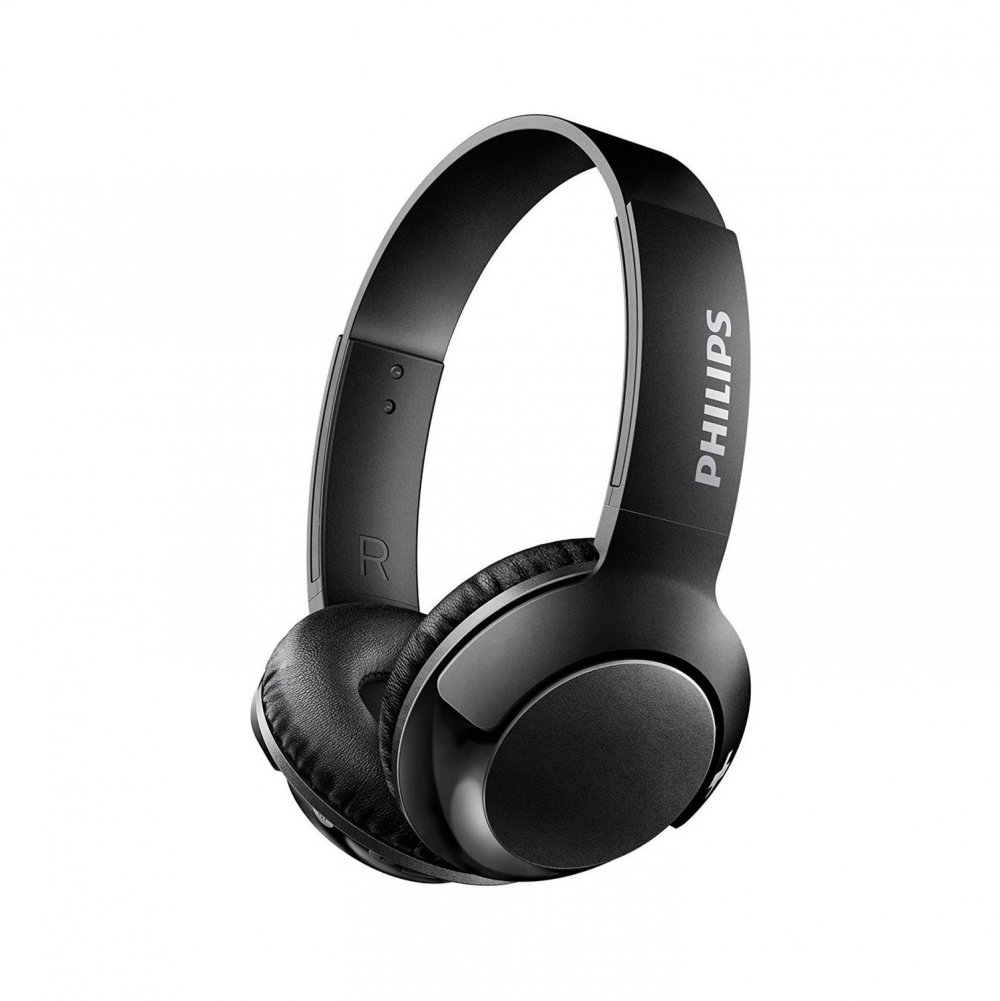
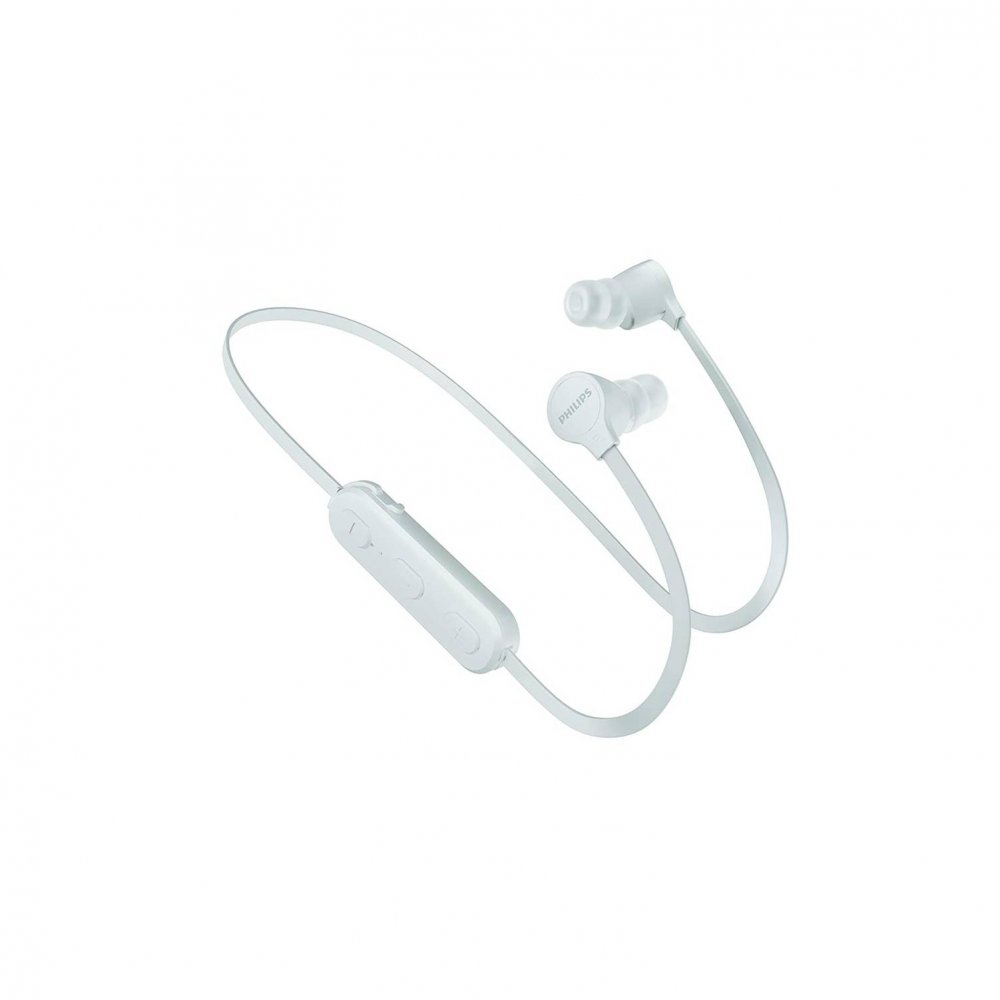
Philips SHB3075RD/00 vs Philips SHB1805WT/10
Advertisement
| Specification | ||
|---|---|---|
| Price | Rs.2,593.00 |
Rs.2,499.00 |
| Brand | Philips |
Philips |
| Model No | SHB3075RD/00 |
SHB1805WT/10 |
| Wired / Wireless | Wireless Headphone Specification |
Wireless Headphone Specification |
| Headphone Type | On Ear |
In Ear Canal |
| Magnet Type | Neodymium |
Neodymium |
| Driver Diameter | 32 mm |
10 mm |
| Impedance | 32 ohm |
16 ohm |
| Sensitivity | 103 dB |
95 dB |
| Frequency Response | 9 Hz - 21000 kHz |
20 Hz - 20000 kHz |
| Maximum Power Input | 40 mW |
50 mW |
| Wireless / Bluetooth Details | ||
| Wireless Technology | Bluetooth |
Bluetooth |
| Bluetooth Version | 4.1 |
4.0 |
| Compatible Profiles | All Bluetooth Devices |
All Bluetooth Devices |
| Supported Codecs | A2DP, AVRCP, HSP, HFP |
A2DP, AVRCP, HSP, HFP |
| Battery Type | Lithium Polymer Batteries |
Lithium Polymer Batteries |
| Bluetooth Range | 10 Meters |
10 Meters |
| Battery Life | 12 Hours |
4 Hours |
| Charging Time | 3 Hours |
1 Hours |
| Noise Cancelling | Passive |
NA |
| Available Colors | Black, White, Blue, Red |
Black, White |
| Connector Plating | NA |
NA |
| Cable | USB Charging Cable |
USB Charging Cable |
| Weight | 132 gm |
13 gm |
| Other Features | USB charging cable 32 mm speaker drivers. Big, bold bass you can feel. Bluetooth wireless technology. Convenient hands-free calling. Flat folding design for easy portability. Soft ear cushions for long-wearing comfort. Great sound isolation for better listing experience. Rechargeable battery offers up to 12 hours of playtime. Adjustable earshells and headband for optimal comfort. Control calls, music and volume with ear-shell switches. |
Wireless freedom, powerful sound. Tuned to re-produce powerful sound. Built-in microphone with volume control. Dynamic 10 mm drivers deliver deep bass. Tangle proof cable for durability and easy storage. Hassle-free magnetic ear-tips allow freedom to carry. Designed ergonomically for a comfortable & secure fit. Extended soft rubber ear caps to channel bass to ear canal. Freedom to switch between music & calls with a single button. |
Advertisement
Compare Philips SHB3075RD/00 with:
Compare Philips SHB1805WT/10 with:
Top Differences
- Battery Life: 12 Hours vs 4 Hours
- Noise Cancelling: Passive vs NA
- Driver Size: 32 mm vs 10 mm
- Bluetooth: 4.1 vs 4.0
- Weight: 132 gm vs 13 gm
Advertisement