 ALERT
ALERT
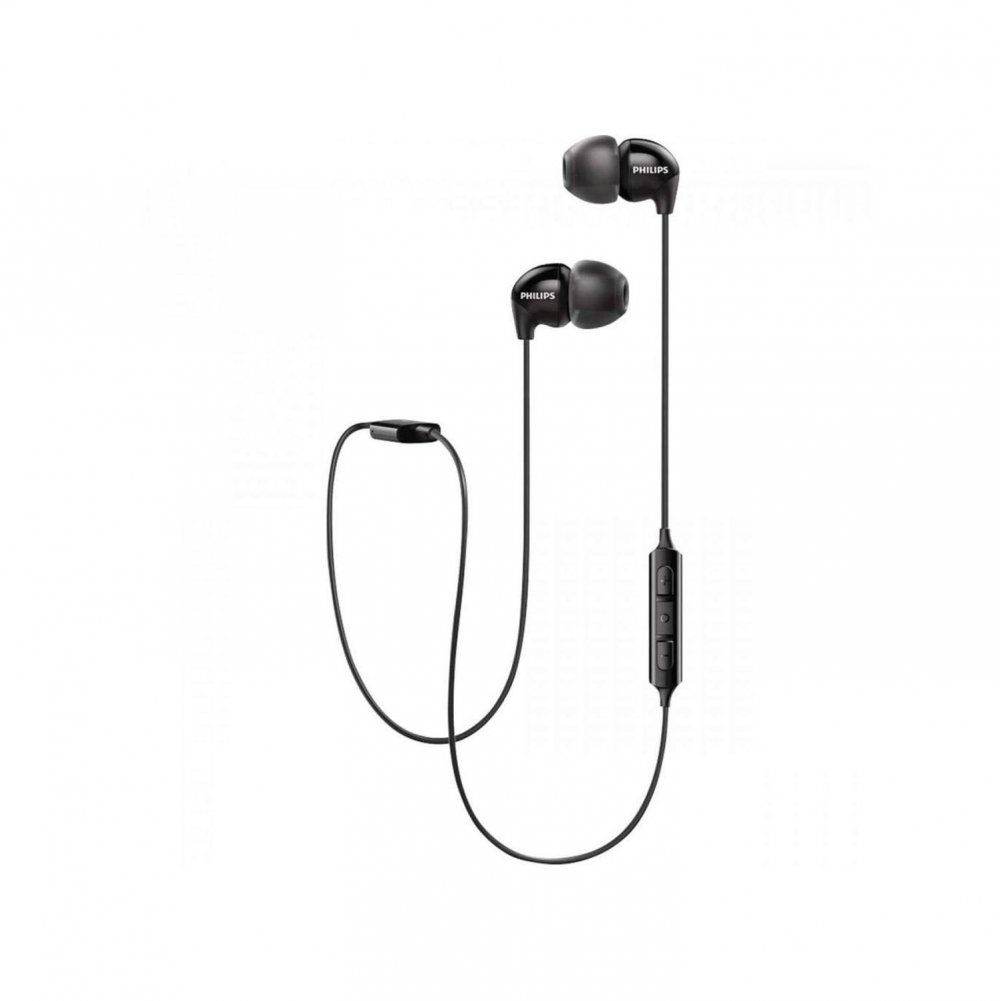
Philips SHB3595BK/10 vs Unix UX-111 Aerobeat
Advertisement
| Specification | ||
|---|---|---|
| Price | Rs.2,999.00 |
Rs.2,999.00 |
| Brand | Philips |
Unix |
| Model No | SHB3595BK/10 |
UX-111 Aerobeat |
| Wired / Wireless | Wireless Headphone Specification |
Wireless Headphone Specification |
| Headphone Type | In Ear Canal |
In Ear |
| Magnet Type | Neodymium |
Dynamic |
| Driver Diameter | 8.6 mm |
10 mm |
| Impedance | 16 ohm |
32 Ohms |
| Sensitivity | 95 dB |
10 dB |
| Frequency Response | 20 Hz - 20000 kHz |
20Hz - 20KHz |
| Maximum Power Input | 5 V |
DC 5V |
| Wireless / Bluetooth Details | ||
| Wireless Technology | Bluetooth |
Bluetooth |
| Bluetooth Version | 4.1 + |
5.3 |
| Compatible Profiles | All Bluetooth Devices |
All Bluetooth Devices |
| Supported Codecs | A2DP, AVRCP, HSP, HFP |
SBC, AAC, MP3 |
| Battery Type | Lithium Polymer Batteries |
Lithium-Ion Batteries |
| Bluetooth Range | 10 Meters |
10 Meters |
| Battery Life | 6 Hours |
40 Hours |
| Charging Time | 2 Hours |
2 Hours |
| Noise Cancelling | NA |
Active Noise Cancelling |
| Available Colors | Black |
Black, White, Blue |
| Connector Plating | NA |
No |
| Cable | USB Charging Cable |
USB Type-C Charging Cable |
| Weight | 1.71 gm |
60 GM |
| Other Features | Hands-free calling. Lightweight Neckband Design. Oval sound tube inserts seals out ambient noise. Wireless control and enjoyment of music and calls. Ergonomic oval sound tube for a truly comfortable fit. Quickly connect wirelessly for music and phone calls on-the-go via Bluetooth. Enjoy up to 6 hours of playtime with built-in battery, rechargeable with the included USB cable. |
Extended Standby Time : Stay ready when you are up to 5 days of standby time means less worry about charging and more time enjoying music. Secure & Comfortable Fit : Designed for all-day wear with a lightweight ergonomic build that stays secure during workouts commutes or casual use. Fast USB-C Charging : Get 1 hour of playtime in just 10 minutes with quick top-ups via the Type-C charging port. Full charge takes only up to 2 hours. Supports AAC SBC & MP3 Codecs : Enjoy high-quality audio with wide device compatibility supporting popular audio profiles for crisp lag-free streaming. Smart Touch Controls : Effortlessly control music calls and voice assistants with intuitive touch gestures on each earbud no need to reach for your phone. Bluetooth 5.3 Connectivity : Benefit from improved range stability and power efficiency with the latest Bluetooth 5.3 offering seamless pairing up to 10 meters away. Long Battery Life : Up to 40 Hours : Enjoy up to 40 hours of total playback time with the included 400mAh charging case; each earbud provides reliable power with a 40mAh battery. Immersive HD Sound Quality : Equipped with 10mm drivers and 32Ω impedance the Aerobeat delivers powerful bass and clear treble across the full 20Hz–20kHz frequency range for a premium listening experience. |

Advertisement
Compare Philips SHB3595BK/10 with:
Compare Unix UX-111 Aerobeat with:
Top Differences
- Battery Life: 6 Hours vs 40 Hours
- Noise Cancelling: NA vs Active Noise Cancelling
- Driver Size: 8.6 mm vs 10 mm
- Bluetooth: 4.1 + vs 5.3
- Weight: 1.71 gm vs 60 GM
Advertisement