 ALERT
ALERT
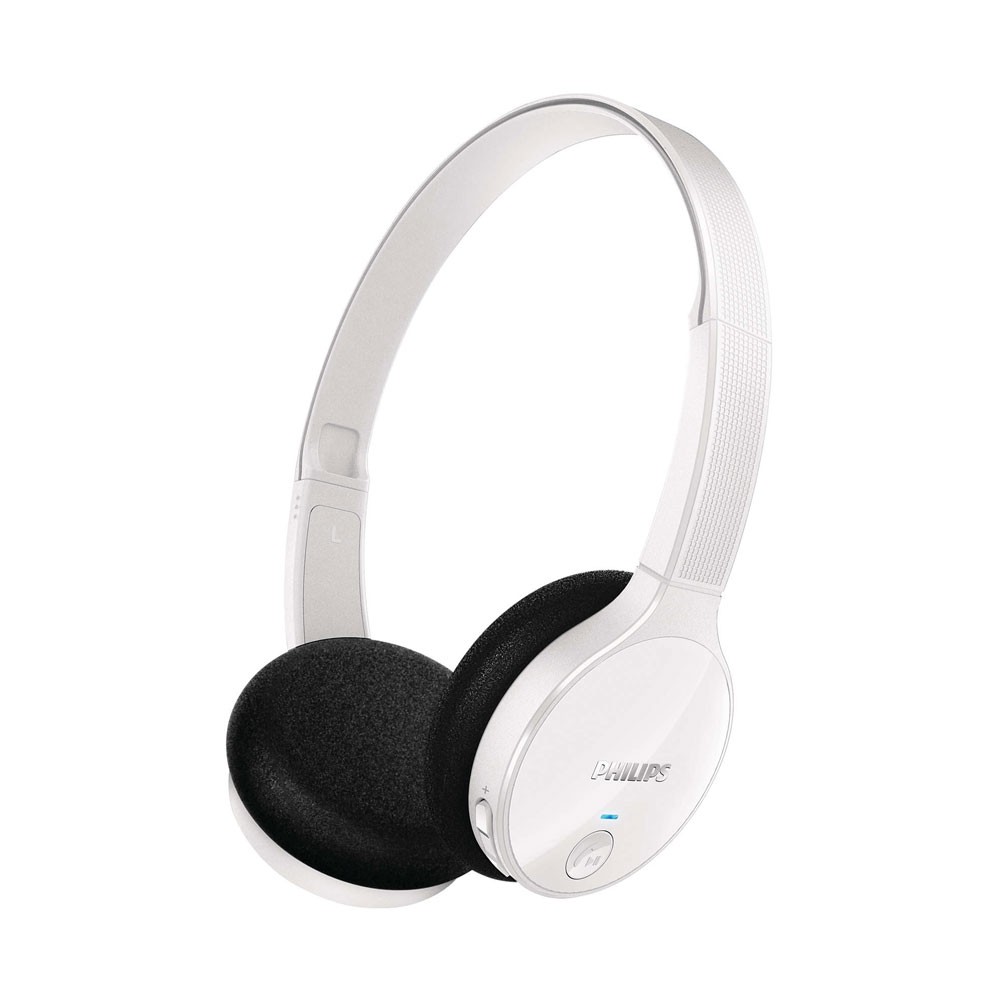
Philips SHB4000WT-00 vs JBL TUNE 115BT
Advertisement
| Specification | ||
|---|---|---|
| Price | Rs.2,149.00 |
Rs.2,099.00 |
| Brand | Philips |
JBL |
| Model No | SHB4000WT-00 |
TUNE 115BT |
| Wired / Wireless | Wireless Headphone Specification |
Wireless Headphone Specification |
| Headphone Type | On Ear |
In Ear |
| Magnet Type | Neodymium |
Dynamic |
| Driver Diameter | 32 mm |
8.6 mm |
| Impedance | 24 Ohms |
16 ohm |
| Sensitivity | 106 dB/mW |
102dB |
| Frequency Response | 20 Hz - 20000 Hz |
20 Hz - 20000 kHz |
| Maximum Power Input | 100 mW |
5 V–1A |
| Wireless / Bluetooth Details | ||
| Wireless Technology | Bluetooth |
Bluetooth |
| Bluetooth Version | 3.0+EDR |
4.2 |
| Compatible Profiles | A2DP, AVRCP, HFP, HSP |
All Bluetooth Devices |
| Supported Codecs | NA |
HFP, HSP, AVRCP, A2DP |
| Battery Type | LI-Polymer |
Lithium-ion Battery |
| Bluetooth Range | Up to 15m |
10 Meters |
| Battery Life | 200 Hrs |
8 Hours |
| Charging Time | NA |
<2 Hours |
| Noise Cancelling | NA |
NA |
| Available Colors | White |
Black, White, Red, Green, Grey |
| Connector Plating | NA |
No |
| Cable | NA |
USB Charging Cable |
| Weight | 109 g |
19.02 gm |
| Other Features | Convenience - Volume Control - Call Management : Answer /End Call, Reject Call, Last Number Redial, Call on Hold, Switch between Call and Music Additional Features - Advanced echo and noise reduction for crystal clear calls - Pre-tilted earshells ensure distraction-free sound - Soft cushions for longer wearing comfort |
JBL Pure Bass Sound. Multi-Point Connection. Magnetic cable management. Make all of your music easy listening. 8-hour max battery life with speed charge. Dual Equalizer Modes for Normal & Deep Bass output. 3-Button remote with Built-In Mic for hands free calling. Recharge in just 2 hours or 15 minutes for one-hour max top-up. Allows you to effortlessly switch from one Bluetooth® device to another. |

Advertisement
Compare Philips SHB4000WT-00 with:
Compare JBL TUNE 115BT with:
Top Differences
- Battery Life: 200 Hrs vs 8 Hours
- Driver Size: 32 mm vs 8.6 mm
- Bluetooth: 3.0+EDR vs 4.2
- Weight: 109 g vs 19.02 gm
- Impedance: 24 Ohms Vs 16 ohm
Advertisement