 ALERT
ALERT
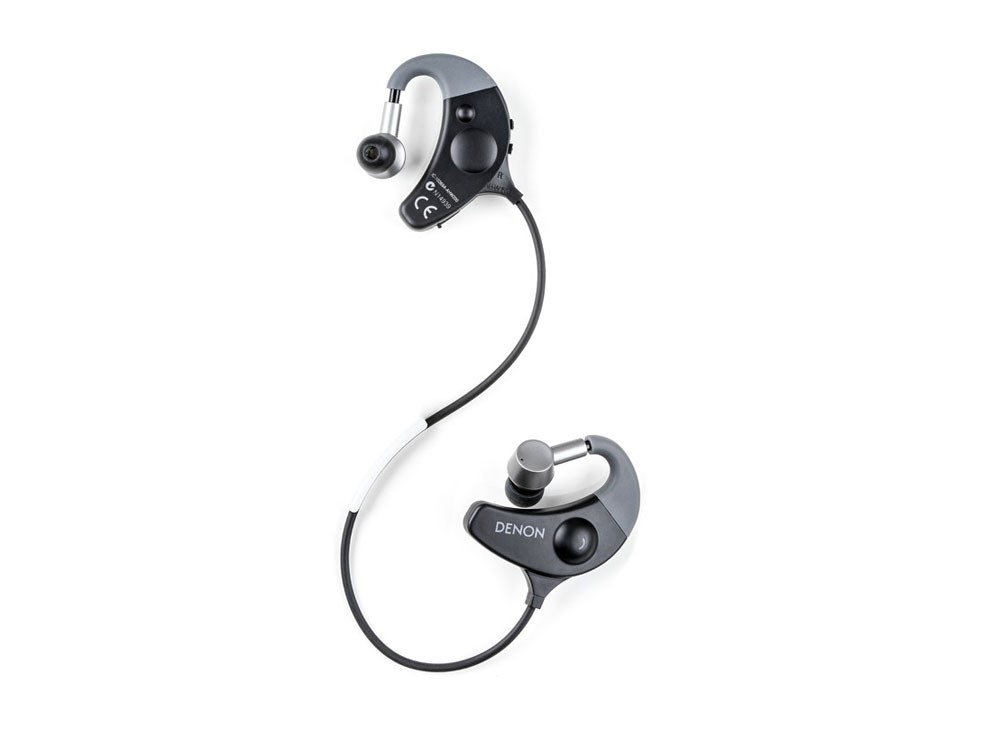
Philips SHB6017-28 vs Denon AH-W150
Advertisement
| Specification | ||
|---|---|---|
| Price | Rs.9,400.00 |
Rs.9,500.00 |
| Brand | Philips |
Denon |
| Model No | SHB6017-28 |
AH-W150 |
| Wired / Wireless | Wireless Headphone Specification |
Wireless Headphone Specification |
| Headphone Type | Neckband |
Ear Clip |
| Magnet Type | Neodymium |
Neodymium |
| Driver Diameter | 8.6 mm |
11.5 mm |
| Impedance | 16 Ohm |
16 Ohms |
| Sensitivity | 102 dB/mW |
102 dB/mW |
| Frequency Response | 15 Hz - 100,000Hz |
5 Hz - 25000 Hz |
| Maximum Power Input | 20 mW |
250 mW |
| Wireless / Bluetooth Details | ||
| Wireless Technology | Bluetooth |
Bluetooth |
| Bluetooth Version | 2.1 |
Ver3 |
| Compatible Profiles | A2DP, AVRCP, HFP, HSP |
HSP, AVRCP, HFP, A2DP |
| Supported Codecs | NA |
SBC |
| Battery Type | Lithium-ion rechargeable battery |
Lithium Polymer Battery |
| Bluetooth Range | 15 m |
10 m |
| Battery Life | Talktime : 4.5 Hrs |
7 Hrs |
| Charging Time | 2 Hrs |
NA |
| Noise Cancelling | NA |
NA |
| Available Colors | Black, Brown |
Black, Blue, Grey, Yellow |
| Connector Plating | NA |
NA |
| Cable | NA |
NA |
| Weight | 84 g |
31 g |
| Other Features | - Quick-dry headset pouch - Sweat proof and fully washable - 3 sizes of ear caps included - Noise isolating in-ear design - Adjustable ear hook - Dual mic noise suppression - Acoustic echo cancellation Convenience - Call Management : Answer/End Call, Reject Call, Last Number Redial, Voice Dial, Microphone Mute, Switch call and music - Volume Control : Yes |
- Wireless, Sweat-Proof Earpiece with Built-In Air Cushion for Extreme Comfort and ventilation - Built-in Microphone - Other Sound Features : Clear Voice Capture, Integrated Amplifier, Heart Pounding Bass, Reflective Backband - Bluetooth Frequency Response : 2.4 GHz - USB Support : Yes Controls - Music Controls : Volume up/down, Previous track, Next track, Play/Pause - Switch between Call and Music :Yes - Other Control Features : Control Button, Call Button, Fast Forward, Rewind, Mute On or Off, Redial |

Advertisement
Compare Philips SHB6017-28 with:
Compare Denon AH-W150 with:
Top Differences
- Battery Life: Talktime : 4.5 Hrs, Standby Time : 120 Hrs, Music Time : 4.5 Hrs vs 7 Hrs
- Driver Size: 8.6 mm vs 11.5 mm
- Bluetooth: 2.1 vs Ver3
- Weight: 84 g vs 31 g
- Impedance: 16 Ohm Vs 16 Ohms
Advertisement