 ALERT
ALERT
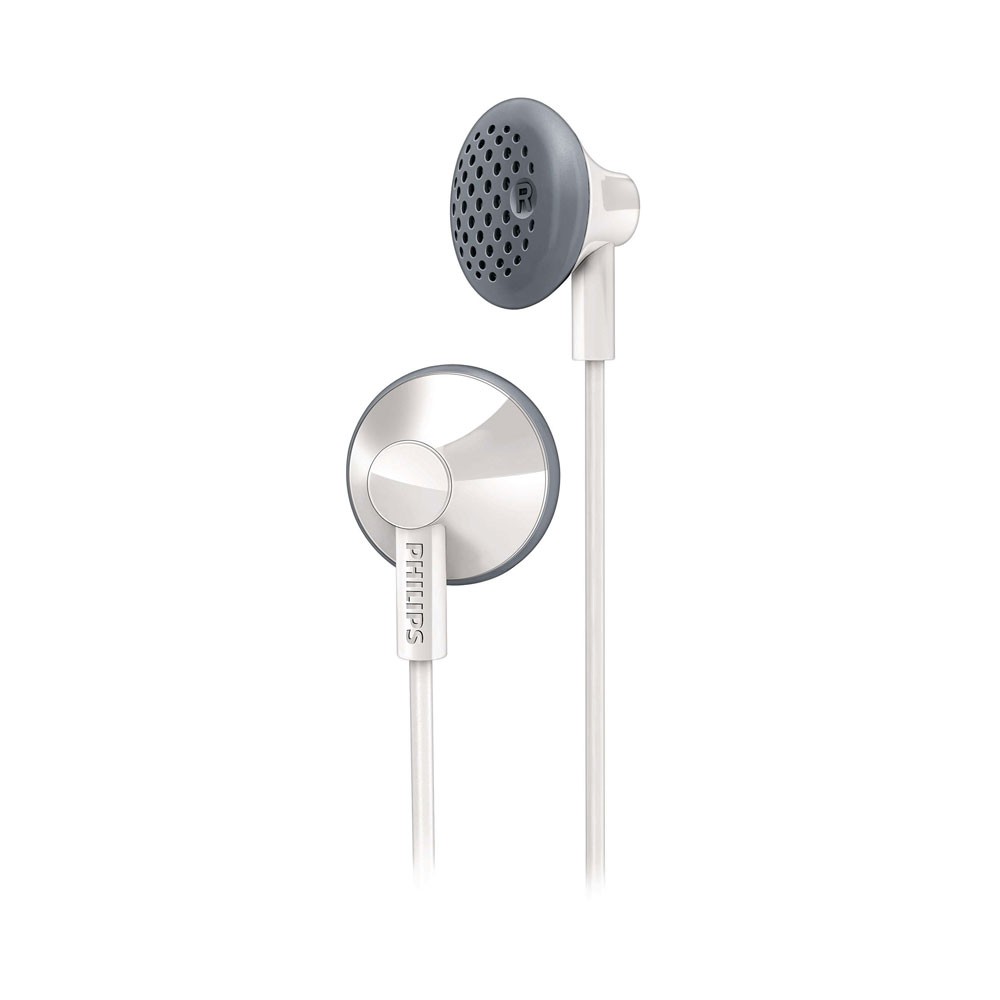
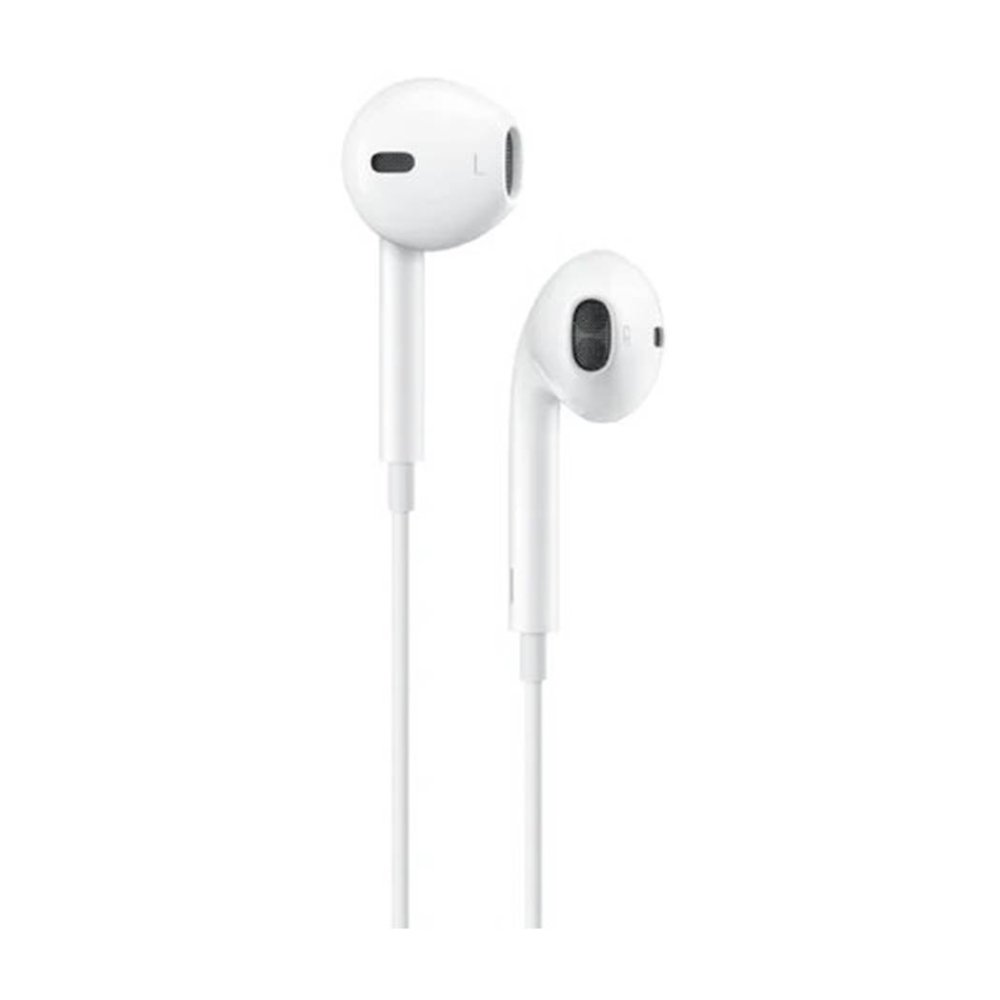
Philips SHE2001-10 vs Unix i300
Advertisement
| Specification | ||
|---|---|---|
| Price | Rs.350.00 |
Rs.399.00 |
| Brand | Philips |
Unix |
| Model No | SHE2001-10 |
i300 |
| Wired / Wireless | Earphone Specification |
Earphone Specification |
| Headphone Type | In Ear |
In Ear |
| Magnet Type | Neodymium |
Dynamic |
| Driver Diameter | 15 mm |
14.2 mm |
| Impedance | 16 Ohms |
32 Ohms |
| Sensitivity | 106 dB/mW |
106 dBmW |
| Frequency Response | 12 Hz - 22000 Hz |
20Hz - 20KHz |
| Maximum Power Input | 50 mW |
5mW |
| Noise Cancelling | NA |
NA |
| Available Colors | White |
Blue |
| Connector Plating | 3.5 mm Chrome Plated Jack |
3.5 mm, Type-C Point |
| Cable | 1 m |
Tangle-Free Cable |
| Weight | 9 g |
40 GM |
| Other Features | - Bass sound - 15mm speaker driver optimizes wearing comfort - Slim cap earbud design for best comfort fit - Neodymium magnets enhance bass performance and sensitivity - Bass beat vents allow air movement for better sound |
Classic, stylish design for an elegant look. High-quality sound for immersive listening. Lightweight & comfortable fit for all-day use. Premium packaging for a refined experience. In-line microphone for crystal-clear voice calls. Universal Type-C compatibility for seamless connectivity. |
Advertisement
Compare Philips SHE2001-10 with:
Compare Unix i300 with:
Top Differences
- Driver Size: 15 mm vs 14.2 mm
- Weight: 9 g vs 40 GM
- Impedance: 16 Ohms Vs 32 Ohms
Advertisement