 ALERT
ALERT
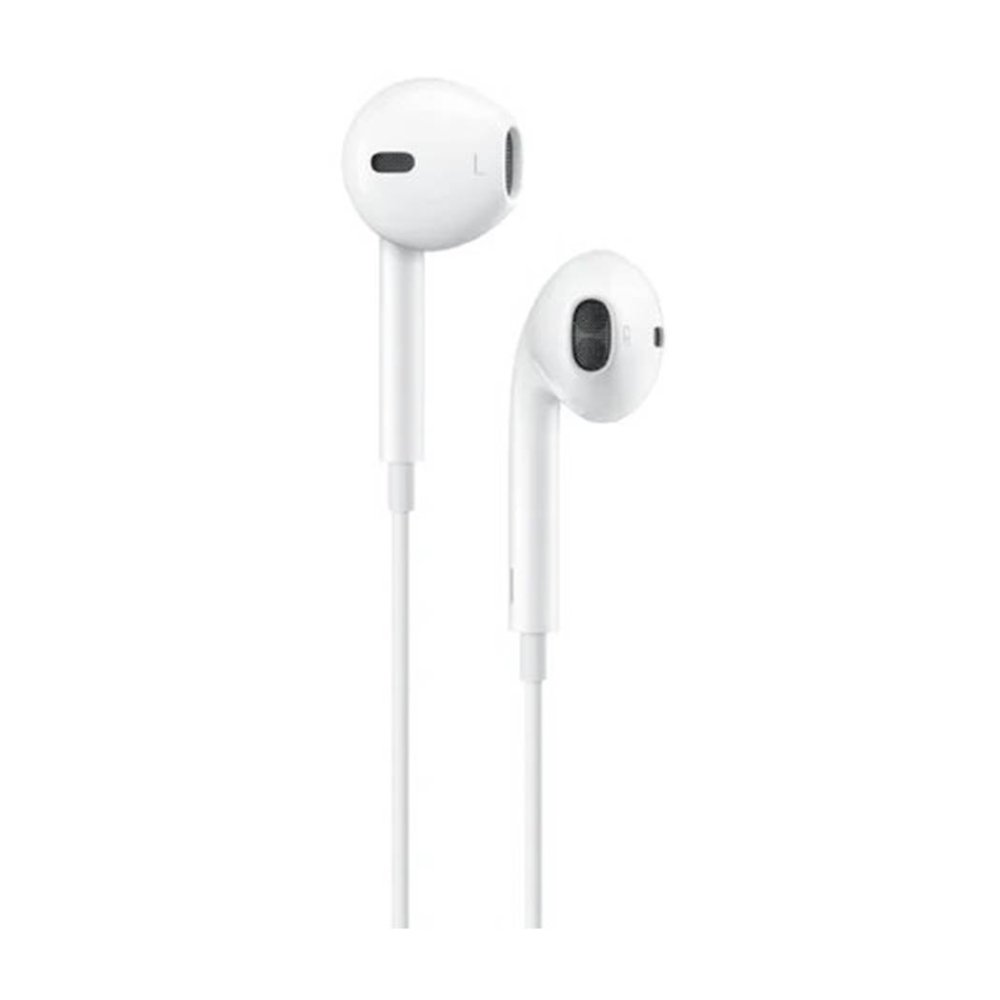
Philips SHE3590PP-10 vs Unix i300
Advertisement
| Specification | ||
|---|---|---|
| Price | Rs.400.00 |
Rs.399.00 |
| Brand | Philips |
Unix |
| Model No | SHE3590PP-10 |
i300 |
| Wired / Wireless | Earphone Specification |
Earphone Specification |
| Headphone Type | In Ear Canal |
In Ear |
| Magnet Type | Neodymium |
Dynamic |
| Driver Diameter | NA |
14.2 mm |
| Impedance | 16 Ohms |
32 Ohms |
| Sensitivity | 103 dB/mW |
106 dBmW |
| Frequency Response | 12 Hz - 23500 Hz |
20Hz - 20KHz |
| Maximum Power Input | 50 mW |
5mW |
| Noise Cancelling | NA |
NA |
| Available Colors | Purple |
Blue |
| Connector Plating | 3.5 mm Chrome Plated Jack |
3.5 mm, Type-C Point |
| Cable | 1.2 m |
Tangle-Free Cable |
| Weight | 11 g |
40 GM |
| Other Features | - Extra bass - Small efficient speakers reproduce precise sound with bass - 3 interchangeable rubber ear caps for optimal fit in all ear - Perfect in-ear seal blocks out external noise - A 1.2m long cable that is ideal for outdoor use - Rubberized cable relief enhances durability |
Classic, stylish design for an elegant look. High-quality sound for immersive listening. Lightweight & comfortable fit for all-day use. Premium packaging for a refined experience. In-line microphone for crystal-clear voice calls. Universal Type-C compatibility for seamless connectivity. |

Advertisement
Compare Philips SHE3590PP-10 with:
Compare Unix i300 with:
Top Differences
- Driver Size: NA vs 14.2 mm
- Weight: 11 g vs 40 GM
- Impedance: 16 Ohms Vs 32 Ohms
Advertisement