 ALERT
ALERT
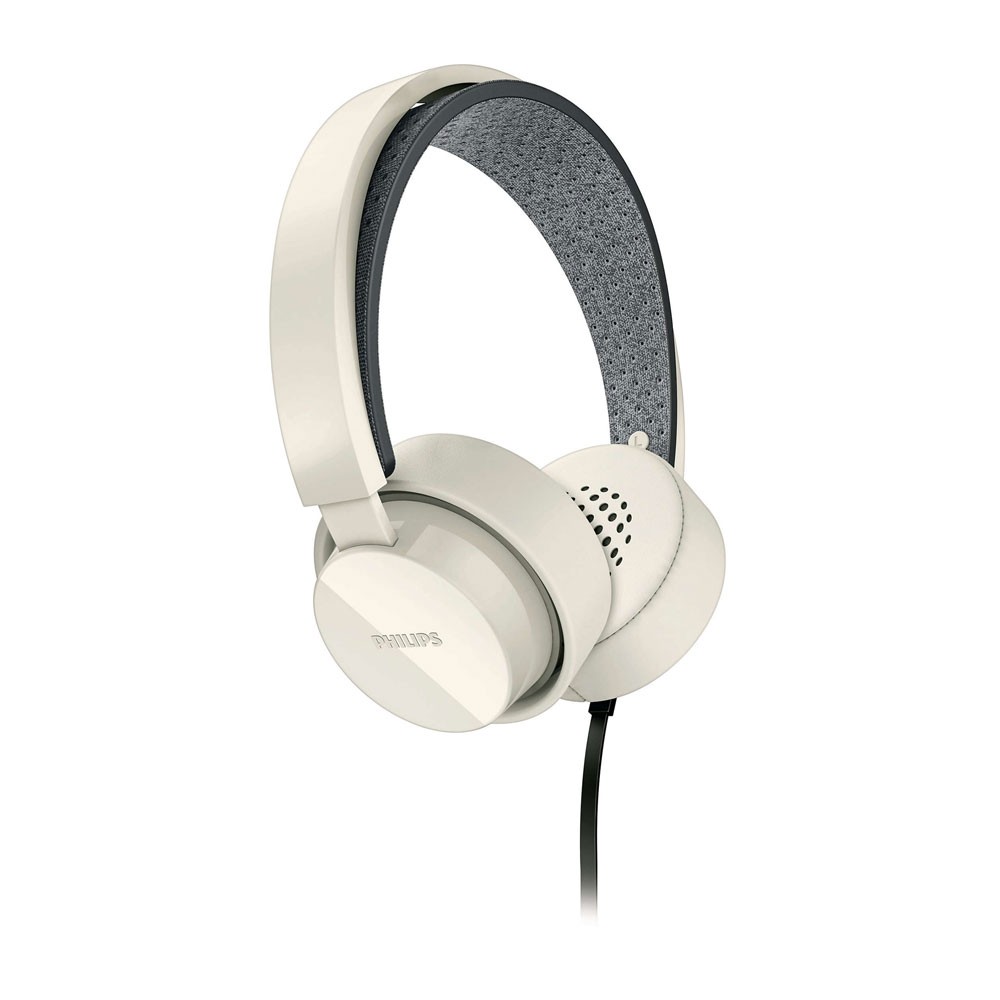
Philips SHL5200WT-10 vs JBL Endurance RUN
Advertisement
| Specification | ||
|---|---|---|
| Price | Rs.1,300.00 |
Rs.1,299.00 |
| Brand | Philips |
JBL |
| Model No | SHL5200WT-10 |
Endurance RUN |
| Wired / Wireless | Wired Headphone Specification |
Wired Headphone Specification |
| Headphone Type | On Ear |
In Ear |
| Magnet Type | Neodymium |
Dynamic |
| Driver Diameter | 40 mm |
8.2 mm |
| Impedance | 32 Ohms |
16 ohm |
| Sensitivity | 106 dB/mW |
102dB±3dB |
| Frequency Response | 20 Hz - 20000 Hz |
20 Hz - 20000 kHz |
| Maximum Power Input | 30 mW |
NA |
| Noise Cancelling | NA |
NA |
| Available Colors | White |
Black, Blue, Red, Green, Yellow |
| Connector Plating | 3.5 mm Gold Plated Jack |
3.5 mm |
| Cable | 1.2 m |
Tangle- Free Flat Cable |
| Weight | 176 g |
56 gm |
| Other Features | - Powered by Deep, Dynamic Bass - Powerful 40mm Drivers Deliver Deep and Dynamic Bass - Flat 1.2m Anti-Tangle Cable Keeps you Kink- and Knot-Free - Soft Breathable Headband for Long-Listening Comfort - Soft Foam Cushions for Music Enjoyment in True Comfort - Switch From Music to Phone Calls with Built-In Microphone |
Hands-free calls. Siri / Google Now. Never hurt. Never fall out. IPX5 Sweat Proof Design to endure your high intensity workouts. Magnetic earbuds that allow for easy cable management when not in use. Flexible two-way design allows you to wear the headphones either in-ear or behind-the-ear. Designed to endure and outlast your high intensity outdoor or indoor workout sessions in any weather conditions. A comfortable combination of FlexSoftâ„¢ ear tips and TwistLockâ„¢ technology means these buds are guaranteed never to hurt or fall out. |

Advertisement
Compare Philips SHL5200WT-10 with:
Compare JBL Endurance RUN with:
Top Differences
- Driver Size: 40 mm vs 8.2 mm
- Weight: 176 g vs 56 gm
- Impedance: 32 Ohms Vs 16 ohm
Advertisement