 ALERT
ALERT
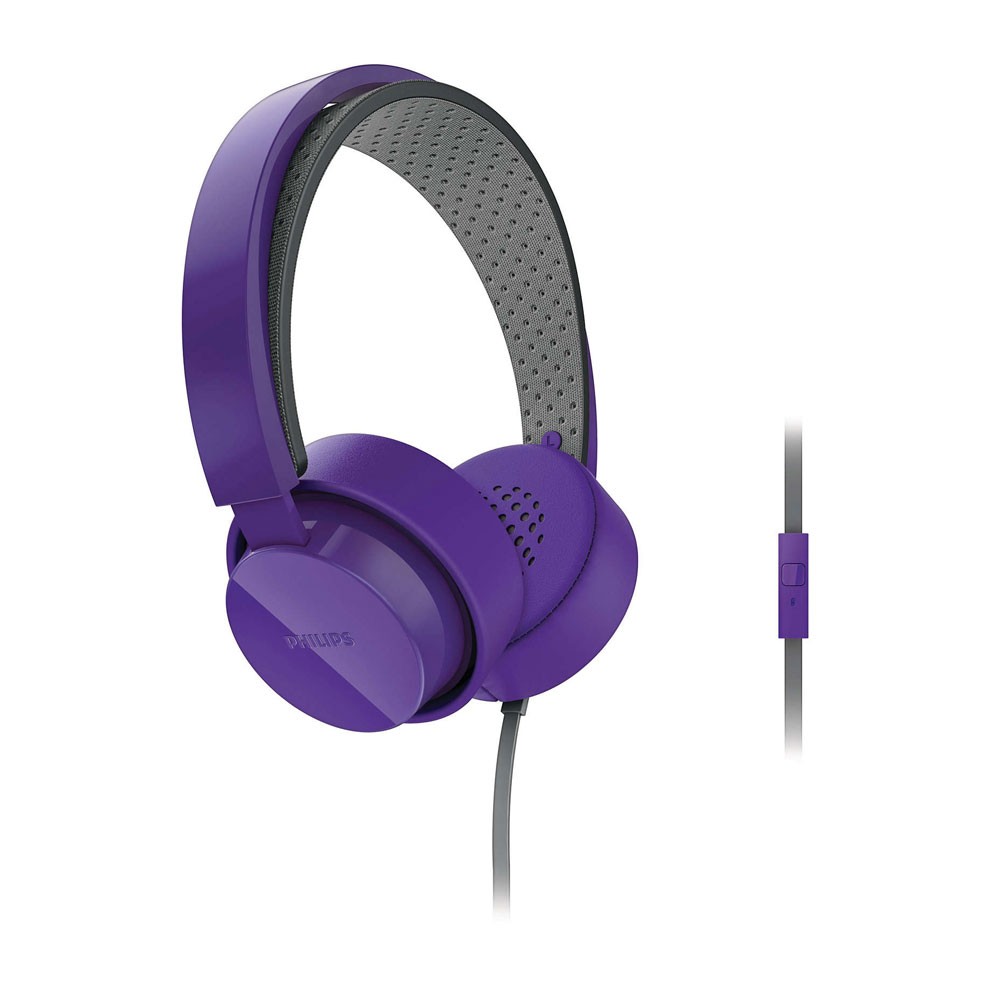
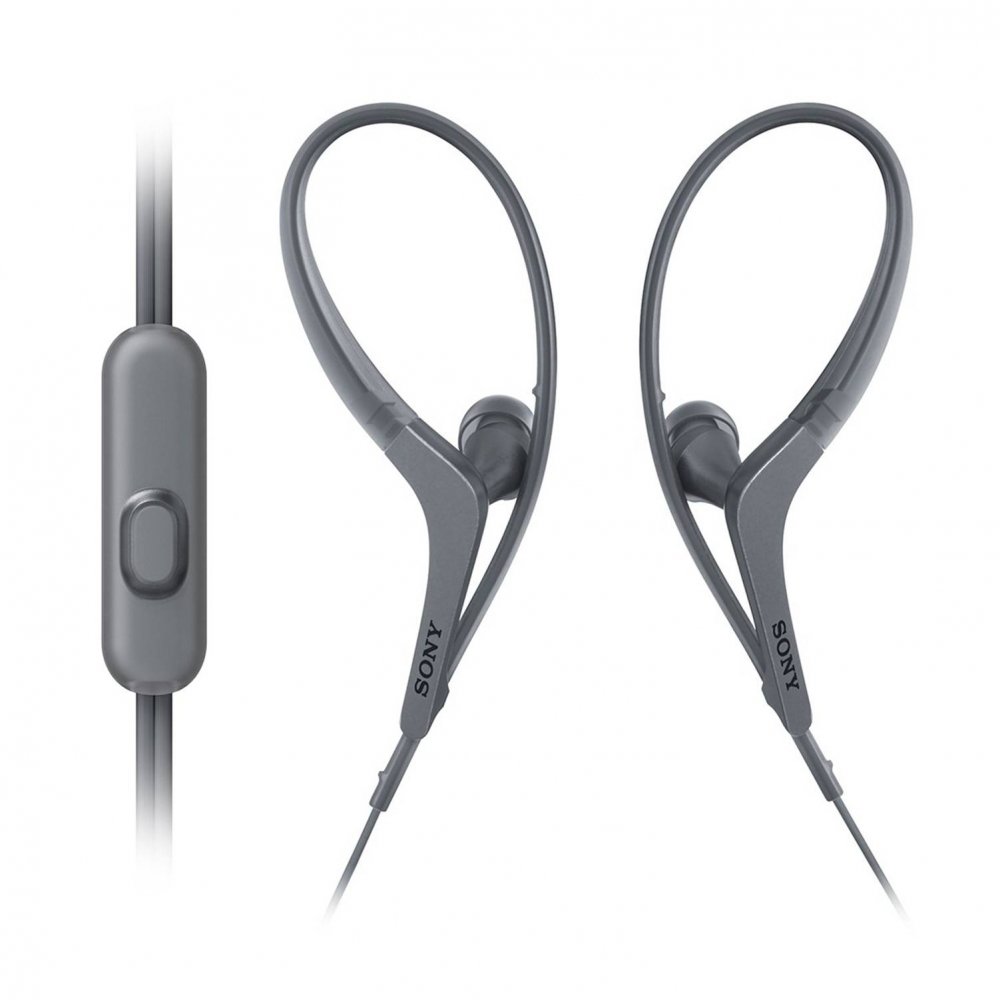
Philips SHL5205PP-10 vs Sony MDR-AS410AP
Advertisement
| Specification | ||
|---|---|---|
| Price | Rs.2,249.00 |
Rs.2,190.00 |
| Brand | Philips |
Sony |
| Model No | SHL5205PP-10 |
MDR-AS410AP |
| Wired / Wireless | Wired Headphone Specification |
Wired Headphone Specification |
| Headphone Type | On Ear |
In Ear Canal |
| Magnet Type | Neodymium |
Neodymium |
| Driver Diameter | 40 mm |
9 mm |
| Impedance | 32 Ohms |
16 ohm |
| Sensitivity | 103 dB/mW |
103 dB/mW |
| Frequency Response | 10 Hz - 20000 Hz |
5 Hz - 24 000 Hz |
| Maximum Power Input | 30 mW |
100 mW |
| Noise Cancelling | NA |
NA |
| Available Colors | Purple |
Black |
| Connector Plating | 3.5 mm Gold Plated Jack |
3.5 mm |
| Cable | 1.2 m |
Tangle- Free Cable |
| Weight | 176 g |
10 gm |
| Other Features | - Powered by Deep, Dynamic Bass - Powerful 40mm Drivers Deliver Deep and Dynamic Bass - Flat 1.2m Anti-Tangle Cable Keeps you Kink- and Knot-Free - Soft Breathable Headband for Long-Listening Comfort - Soft Foam Cushions for Music Enjoyment in True Comfort - Switch From Music to Phone Calls with Built-In Microphone |
Splash-proof and secure with an over-ear fit. 9 mm driver unit provides deep bass sound. Four sizes of silicone earbuds for a good seal and fit. Get the perfect fit for your exercise. Every uplifting chorus is crystal clear. Work hard, look good. Easily slip the headphones in your pocket. They won't fall off during a tough workout. L-shaped gold-plated 4-pole mini plug. Tightly sealed earcups reflect your music back towards your ears for resounding audio. |
Advertisement
Compare Philips SHL5205PP-10 with:
Compare Sony MDR-AS410AP with:
Top Differences
- Driver Size: 40 mm vs 9 mm
- Weight: 176 g vs 10 gm
- Impedance: 32 Ohms Vs 16 ohm
Advertisement