 ALERT
ALERT
Advertisement
| Specification | ||
|---|---|---|
| Price | Rs.550.00 |
Rs.549.00 |
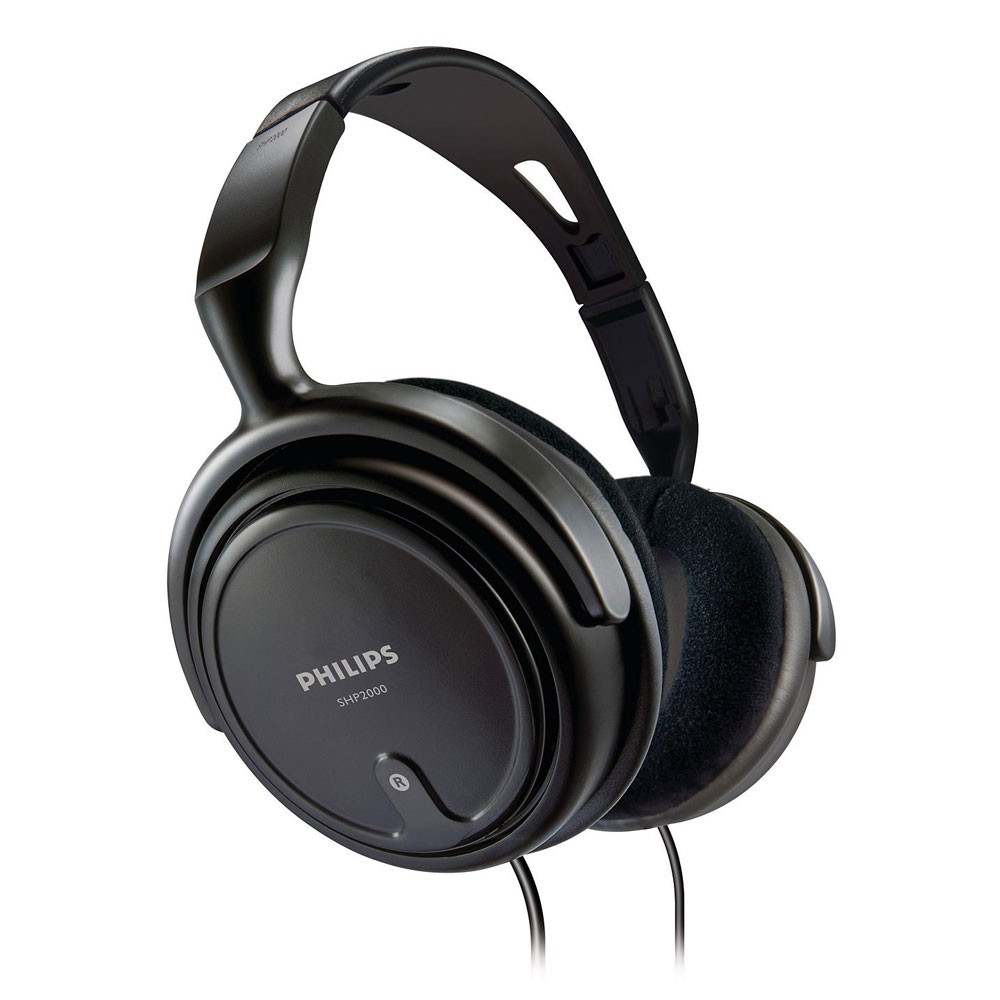
| Brand | Philips |
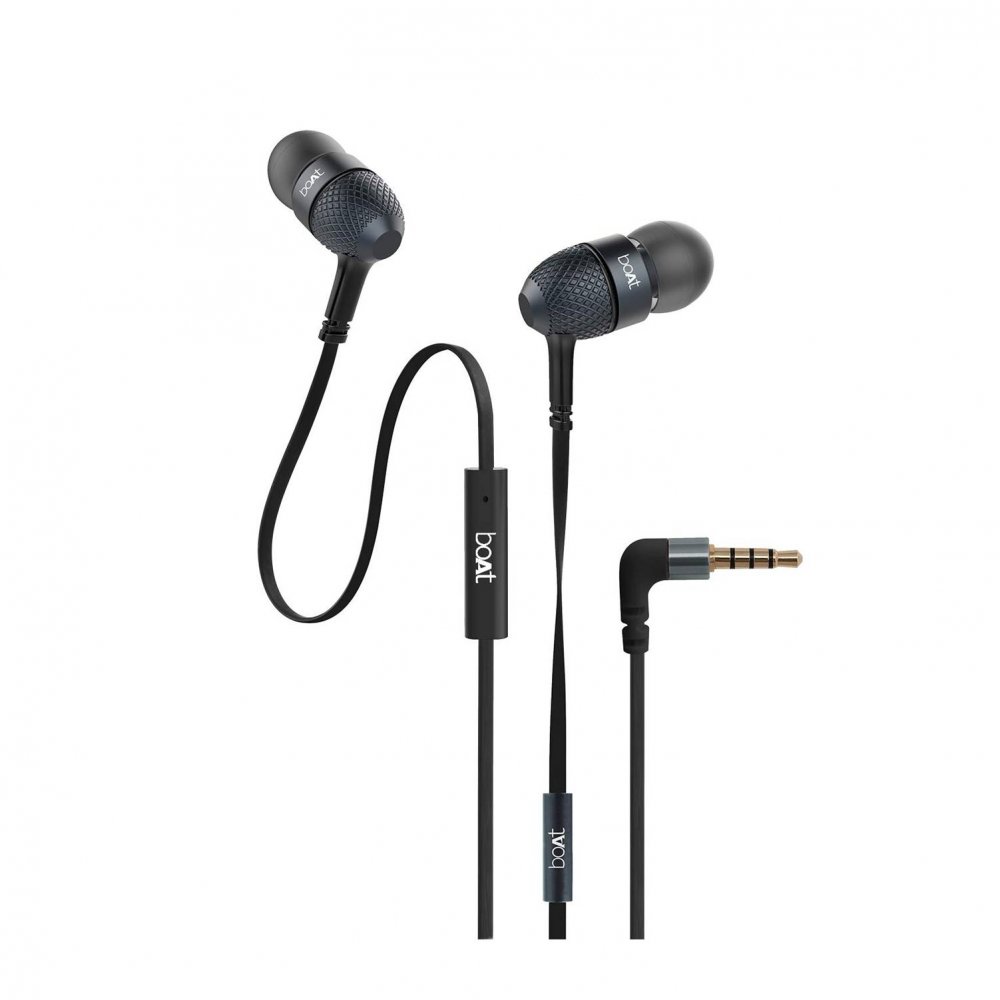
boAt |
| Model No | SHP2000 |
BassHeads 220 |
| Wired / Wireless | Wired Headphone Specification |
Wired Headphone Specification |
| Headphone Type | Over Ear |
In Ear |
| Magnet Type | NA |
Neodymium |
| Driver Diameter | 40 mm |
10 mm |
| Impedance | 32 ohms |
16 ohm |
| Sensitivity | 100 dB |
92db ±3db |
| Frequency Response | 15 - 22 000 Hz |
20 Hz - 20000 Hz |
| Maximum Power Input | 500 mW |
2 mW |
| Noise Cancelling | No |
Passive |
| Available Colors | Black |
Black, Blue, Red, Green, Grey, Orange |
| Connector Plating | 3.5 mm Chrome Plated Jack |
3.5 mm |
| Cable | 2 meters Y-type cable |
Tangle- Free Flat Cable |
| Weight | 226 g |
50 gm |
| Other Features | - Easy adjustable headband ensures optimum fit and comfort |
Super Extra Bass. Polished Metal. The material used to manufacture these earphones is a polished metal that ensures its longevity. Hands-free communication with in-built microphone. |
Advertisement
Compare Philips SHP2000 with:
Compare boAt BassHeads 220 with:
Top Differences
- Noise Cancelling: No vs Passive
- Driver Size: 40 mm vs 10 mm
- Weight: 226 g vs 50 gm
- Impedance: 32 ohms Vs 16 ohm
Advertisement