 ALERT
ALERT
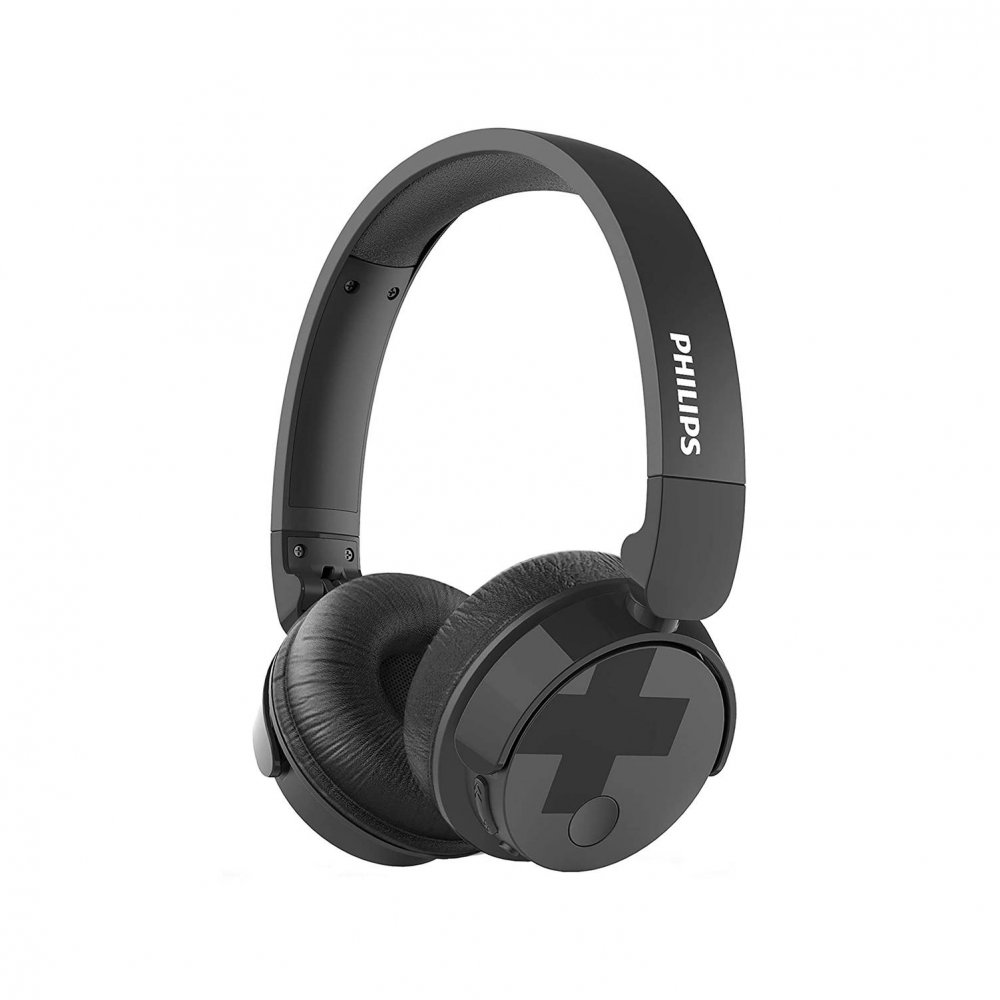
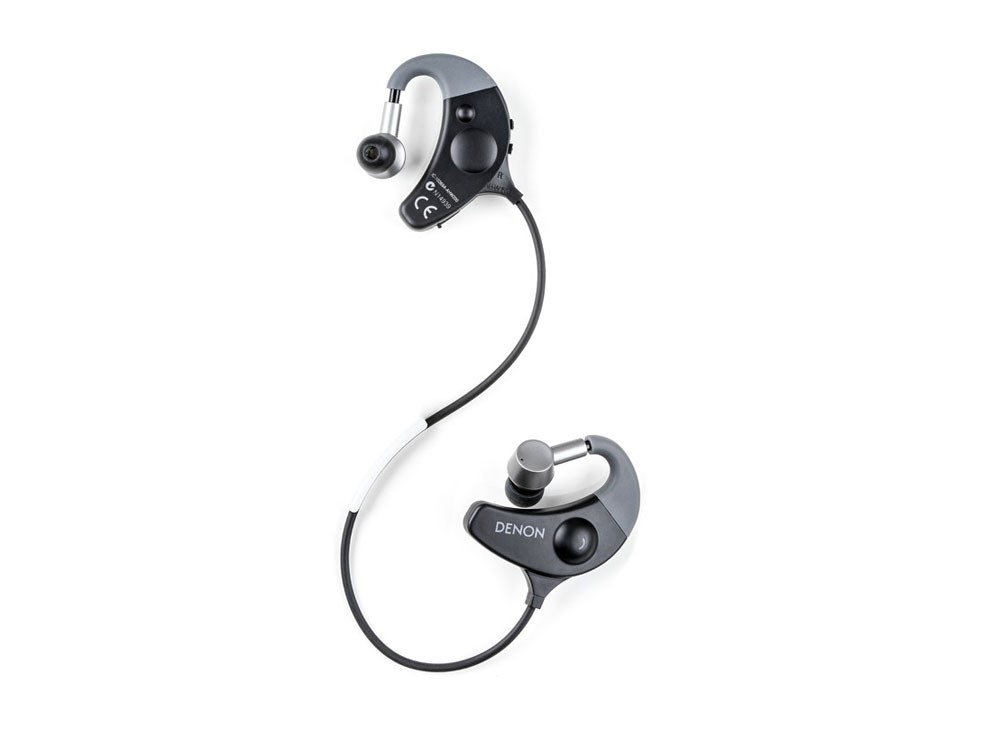
Philips TABH305BK/00 vs Denon AH-W150
Advertisement
| Specification | ||
|---|---|---|
| Price | Rs.9,499.00 |
Rs.9,500.00 |
| Brand | Philips |
Denon |
| Model No | TABH305BK/00 |
AH-W150 |
| Wired / Wireless | Wireless Headphone Specification |
Wireless Headphone Specification |
| Headphone Type | On Ear |
Ear Clip |
| Magnet Type | Neodymium |
Neodymium |
| Driver Diameter | 32 mm |
11.5 mm |
| Impedance | 32 ohm |
16 Ohms |
| Sensitivity | 92 dB |
102 dB/mW |
| Frequency Response | 9 Hz - 21000 kHz |
5 Hz - 25000 Hz |
| Maximum Power Input | 30 mW |
250 mW |
| Wireless / Bluetooth Details | ||
| Wireless Technology | Bluetooth |
Bluetooth |
| Bluetooth Version | 4.2 |
Ver3 |
| Compatible Profiles | All Bluetooth Devices |
HSP, AVRCP, HFP, A2DP |
| Supported Codecs | A2DP, AVRCP, HFP, HSP |
SBC |
| Battery Type | Lithium Polymer Batteries |
Lithium Polymer Battery |
| Bluetooth Range | 10 Meters |
10 m |
| Battery Life | 33 Hours |
7 Hrs |
| Charging Time | 2 Hours |
NA |
| Noise Cancelling | Active |
NA |
| Available Colors | Black |
Black, Blue, Grey, Yellow |
| Connector Plating | NA |
NA |
| Cable | USB Charging Cable |
NA |
| Weight | 145 gm |
31 g |
| Other Features | 2 hours charging time via USB. 18 hours play time with ANC off Lightweight, adjustable headband. Weight is just 145.5 g. Feel light. Listen heavy. Big bass. 32 mm neodymium acoustic drivers. Multi-function button. Easily control music and calls. Flat-fold design for easy storage in your pocket or bag. Soft ear cups that can be angled for maximum comfort. 15 hours play time with Active Noise Canceling ( ANC ) on. A double button-press wakes your phone's voice assistant. |
- Wireless, Sweat-Proof Earpiece with Built-In Air Cushion for Extreme Comfort and ventilation - Built-in Microphone - Other Sound Features : Clear Voice Capture, Integrated Amplifier, Heart Pounding Bass, Reflective Backband - Bluetooth Frequency Response : 2.4 GHz - USB Support : Yes Controls - Music Controls : Volume up/down, Previous track, Next track, Play/Pause - Switch between Call and Music :Yes - Other Control Features : Control Button, Call Button, Fast Forward, Rewind, Mute On or Off, Redial |
Advertisement
Compare Philips TABH305BK/00 with:
Compare Denon AH-W150 with:
Top Differences
- Battery Life: 7 Hrs vs 33 Hours
- Noise Cancelling: NA vs Active
- Driver Size: 11.5 mm vs 32 mm
- Bluetooth: Ver3 vs 4.2
- Weight: 31 g vs 145 gm
Advertisement