 ALERT
ALERT
Advertisement
| Specification | ||
|---|---|---|
| Price | Rs.1,200.00 |
Rs.1,290.00 |
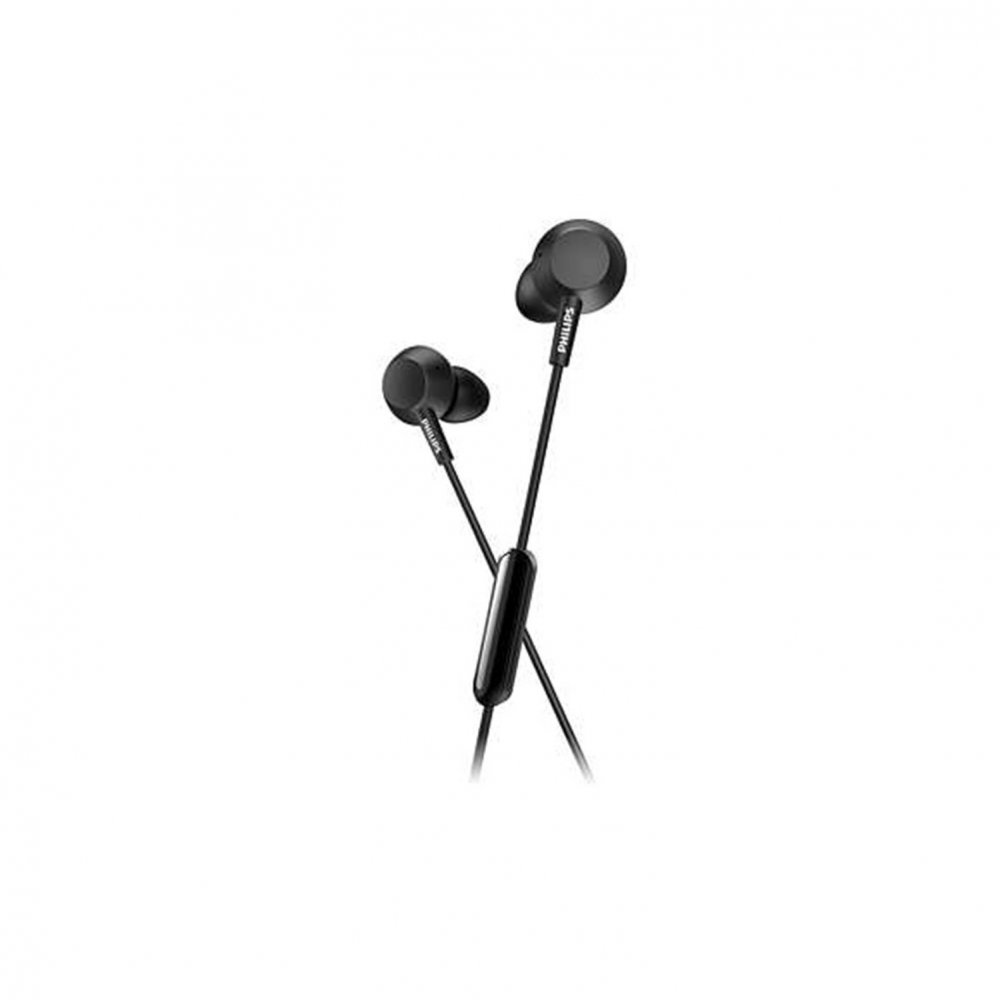
| Brand | Philips |
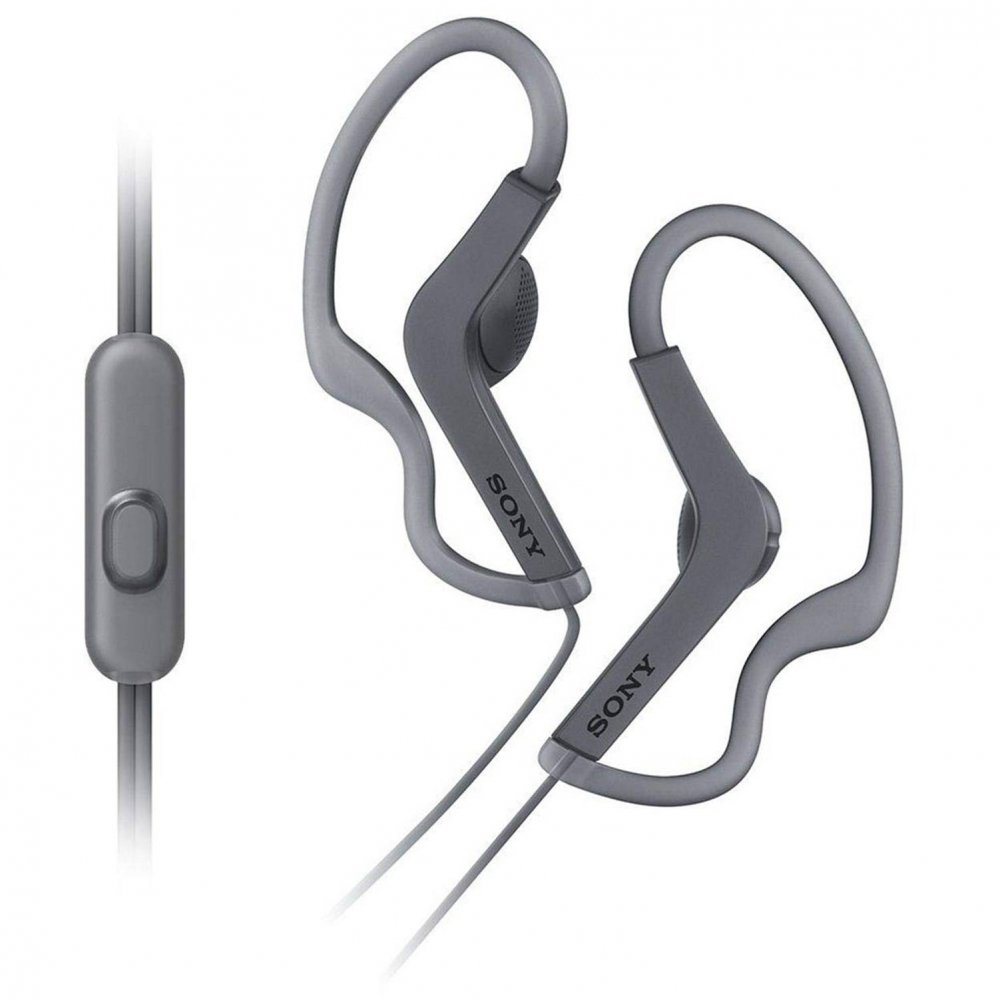
Sony |
| Model No | TAE4105WT/00 |
MDR-AS210AP |
| Wired / Wireless | Wired Headphone Specification |
Wired Headphone Specification |
| Headphone Type | In Ear Canal |
In Ear |
| Magnet Type | Neodymium |
Neodymium |
| Driver Diameter | 10 mm |
13.5 mm |
| Impedance | 32 ohm |
16 ohm |
| Sensitivity | 104 dB |
104 dB/mW |
| Frequency Response | 20 Hz - 20000 kHz |
17 Hz-22,000 Hz |
| Maximum Power Input | 10 mW |
50 mW |
| Noise Cancelling | Passive |
NA |
| Available Colors | Black, White, Blue, Red |
Black |
| Connector Plating | 3.5 mm Stereo Nickel -Plated Jack |
3.5 mm |
| Cable | Tangle- Free Flat Cable |
Tangle- Free Cable |
| Weight | 19 gm |
3 gm |
| Other Features | Punchy bass. Clear sound. Small. Snug. Comfortable. From focus playlist to vital call. Rock your music in real comfort. 1.2 m cable with 3.5 mm connector. Powerful 10 mm neodymium drivers. 3 interchangeable rubber earbud covers. Inline remote. Easily control music and calls. Oval acoustic tube fits comfortably in your ear canal. |
Splash-proof for all-weather listening Adjustable loop hangers keep the headphones in place during exercise 1.2 m cord is long enough for the gym or the streets Open acoustics help air flow through for natural sound quality 13.5 mm driver provides clear and detailed sound, whatever the volume In-line microphone so that you can take calls if required L-shaped gold-plated 4-pole mini plug Hear every detail crisp and clear A built-in microphone for hands-free calls Adjustable loop hangers clip securely to your ears so you can really get your body moving to the beat |
Advertisement
Compare Philips TAE4105WT/00 with:
Compare Sony MDR-AS210AP with:
Top Differences
- Noise Cancelling: NA vs Passive
- Driver Size: 13.5 mm vs 10 mm
- Weight: 3 gm vs 19 gm
- Impedance: 16 ohm Vs 32 ohm
Advertisement