 ALERT
ALERT
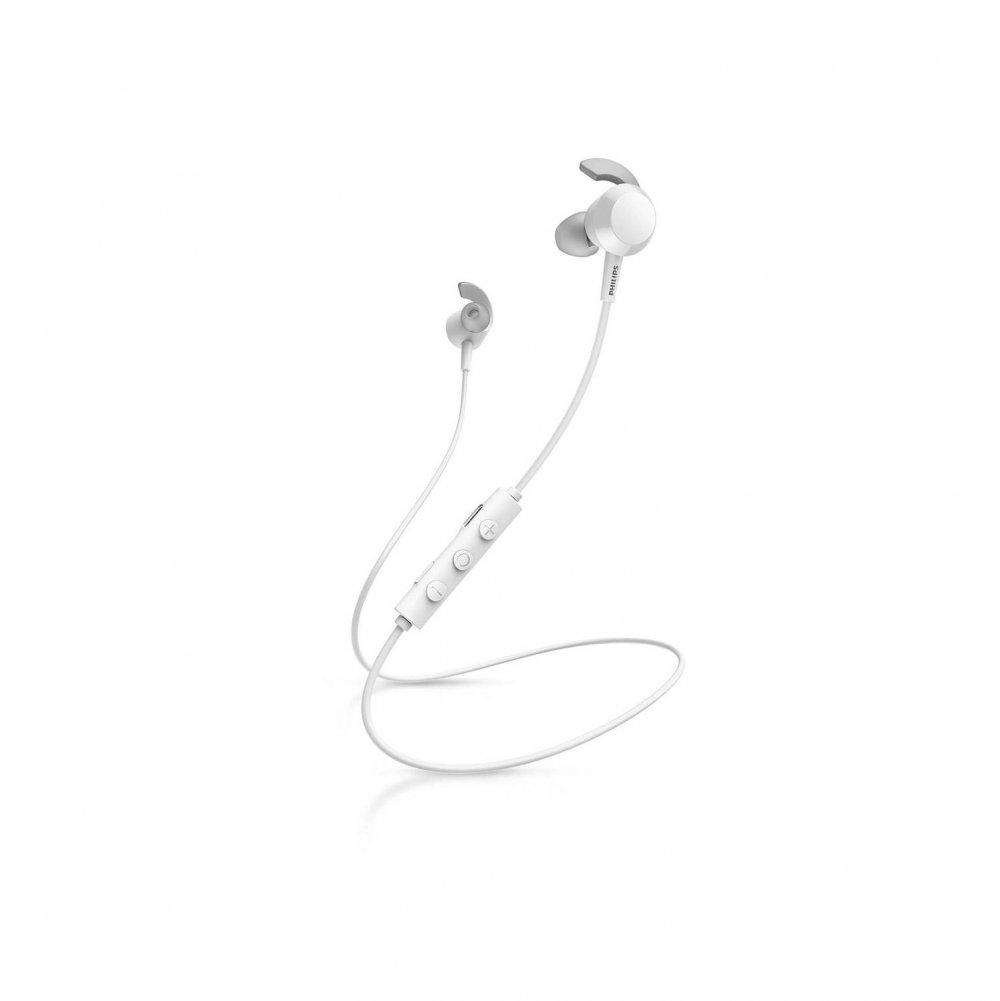
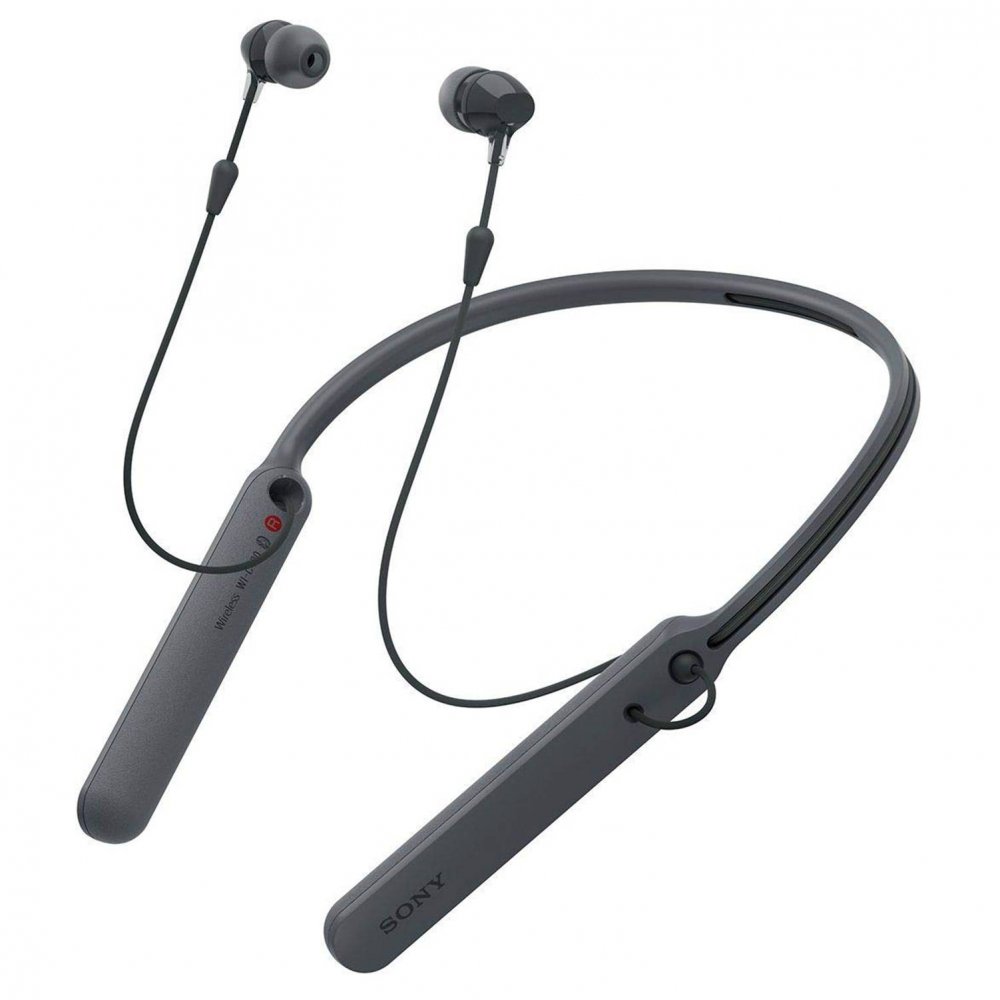
Philips TAE4205WT/00 vs Sony WI-C400
Advertisement
| Specification | ||
|---|---|---|
| Price | Rs.3,932.00 |
Rs.3,990.00 |
| Brand | Philips |
Sony |
| Model No | TAE4205WT/00 |
WI-C400 |
| Wired / Wireless | Wireless Headphone Specification |
Wireless Headphone Specification |
| Headphone Type | In Ear Canal |
Neckband |
| Magnet Type | Neodymium |
Neodymium |
| Driver Diameter | 8.2 mm |
9 mm |
| Impedance | 16 ohm |
NA |
| Sensitivity | 105 dB |
NA |
| Frequency Response | 20 Hz - 20000 kHz |
8 Hz - 22,000 Hz |
| Maximum Power Input | 5 mW |
5 V DC |
| Wireless / Bluetooth Details | ||
| Wireless Technology | Bluetooth |
Bluetooth |
| Bluetooth Version | 5.0 |
4.2 |
| Compatible Profiles | All Bluetooth Devices |
NA |
| Supported Codecs | A2DP, AVRCP, HSP, HFP |
HFP, HSP, A2DP, HFP SBC, AAC |
| Battery Type | Lithium Polymer Batteries |
lithium-ion |
| Bluetooth Range | 10 Meters |
10 Meters |
| Battery Life | 8 Hours |
20 Hours |
| Charging Time | 2 Hours |
4.5 Hours |
| Noise Cancelling | Passive |
NA |
| Available Colors | White |
Black, White, Blue, Red |
| Connector Plating | NA |
NA |
| Cable | USB-C Charging Cable |
Micro-USB cable |
| Weight | 20 gm |
35 gm |
| Other Features | Secure, flexible, comfortable. 10 hours play time. USB-C charging. BASS boost button. Instantly stronger bass. Inline remote. Easily switch from playlist to calls. Smart pairing. Automatically find Bluetooth devices. Quick Charge. Charge for 15 minutes, train extra 1.5 hours. |
Codec: Audio signal compression and conversion format. Advanced Audio Coding. Simply tap your device on the NFC logo. Keep music going with up to 20 hours of long-lasting battery. Comfortable behind-the-neck style with cable management. Easy Bluetooth® connectivity with NFC One-touch. Vibration for incoming call. Bluetooth standard profiles indicate the purpose of Bluetooth communications between devices. The behind-the-neck design is shaped for comfortable, all day listening. Keep your cable clipped neatly out of the way in your neckband with the adjuster and stopper. Comfortable behind-the-neck style with cable management. Personal Computer with pre-installed with any of the following operating systems and USB port. |
Advertisement
Compare Philips TAE4205WT/00 with:
Compare Sony WI-C400 with:
Top Differences
- Battery Life: 20 Hours vs 8 Hours
- Noise Cancelling: NA vs Passive
- Driver Size: 9 mm vs 8.2 mm
- Bluetooth: 4.2 vs 5.0
- Weight: 35 gm vs 20 gm
Advertisement