 ALERT
ALERT
Advertisement
| Specification | ||
|---|---|---|
| Price | Rs.3,661.00 |
Rs.3,500.00 |
| Brand | Philips |
Beyerdynamic |
| Model No | TAH4105RD/00 |
DTX 910 |
| Wired / Wireless | Wired Headphone Specification |
Wired Headphone Specification |
| Headphone Type | On Ear |
Over Ear |
| Magnet Type | Neodymium |
Neodymium |
| Driver Diameter | 32 mm |
NA |
| Impedance | 32 ohm |
32 Ohms |
| Sensitivity | 106 dB |
98 dB/mW |
| Frequency Response | 20 Hz - 20000 kHz |
15 Hz - 23000 Hz |
| Maximum Power Input | NA |
100 mW |
| Noise Cancelling | NA |
NA |
| Available Colors | Black, Blue, Red |
Black, Grey |
| Connector Plating | 3.5 mm Gold-Plated Jack |
3.5 mm Gold Plated Jack |
| Cable | Tangle Resistant Cable |
3 m |
| Weight | 153 gm |
180 g |
| Other Features | Easy on the move. Roll with the bass. Rich bass, clear sound. Eye-catching matte colorways. Flat-fold design for easy storage. Maximum style. Maximum comfort. Powerful 32 mm neodymium drivers. Compact foldable design for easy portability. Inline remote. Easily control music and calls. Lightweight, adjustable cushioned headband. Great sound isolation from the closed-back design. Angled connector. Keeps your headphones plugged in. Soft ear cups that can be angled for maximum comfort. |
- Open back design - Adjustable headband - 90° swivelling earcup - Ultra soft ear pads - Single-sided cable, 3 m long |
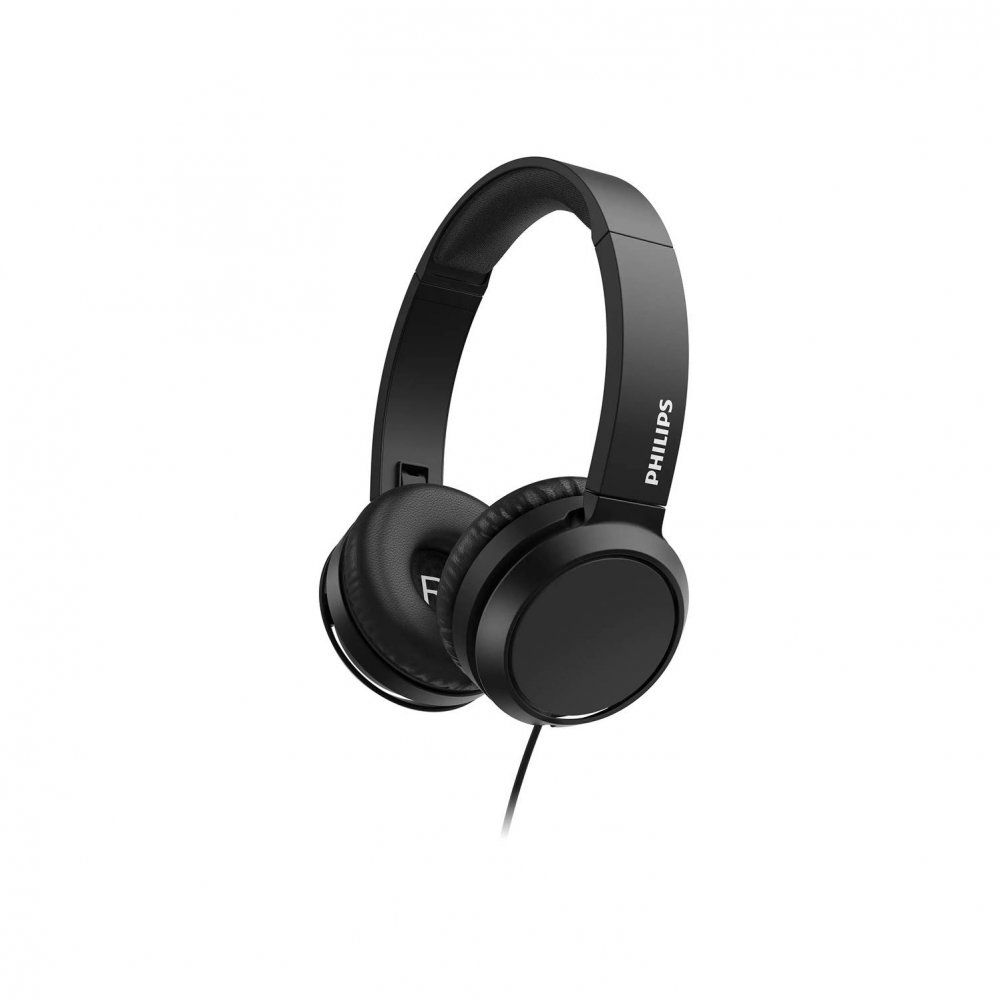
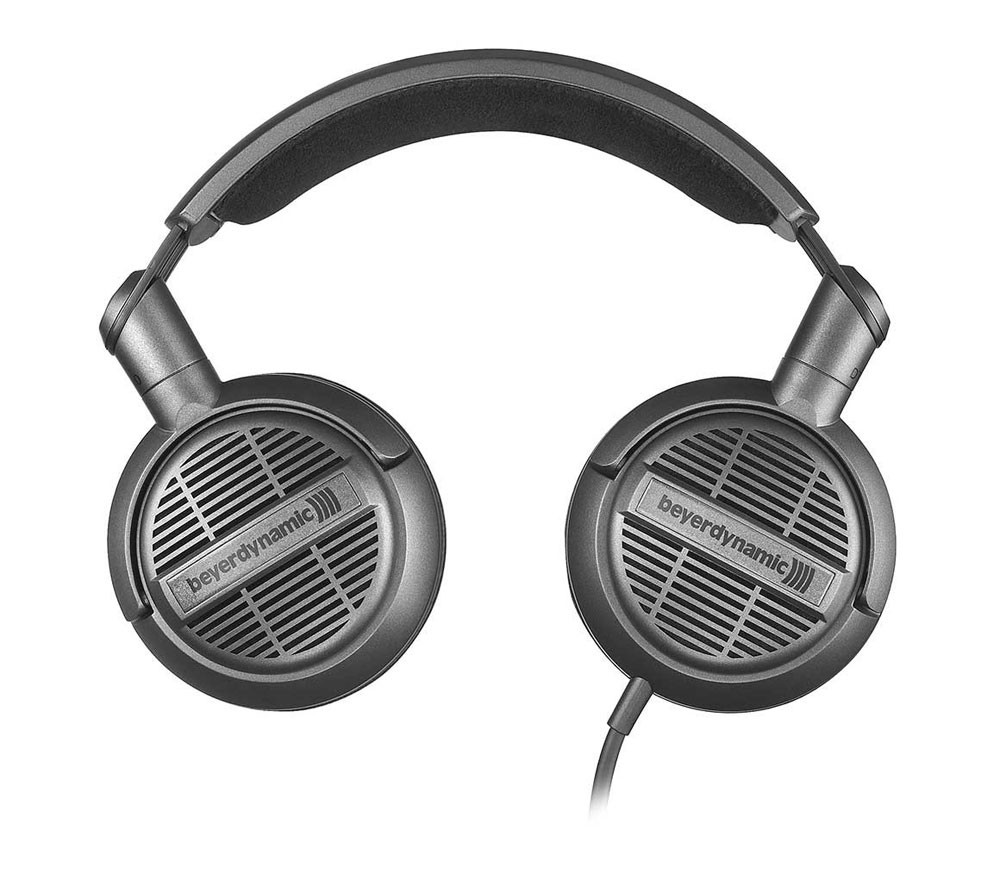
Advertisement
Compare Philips TAH4105RD/00 with:
Compare Beyerdynamic DTX 910 with:
Top Differences
- Driver Size: NA vs 32 mm
- Weight: 180 g vs 153 gm
- Impedance: 32 Ohms Vs 32 ohm
Advertisement