 ALERT
ALERT
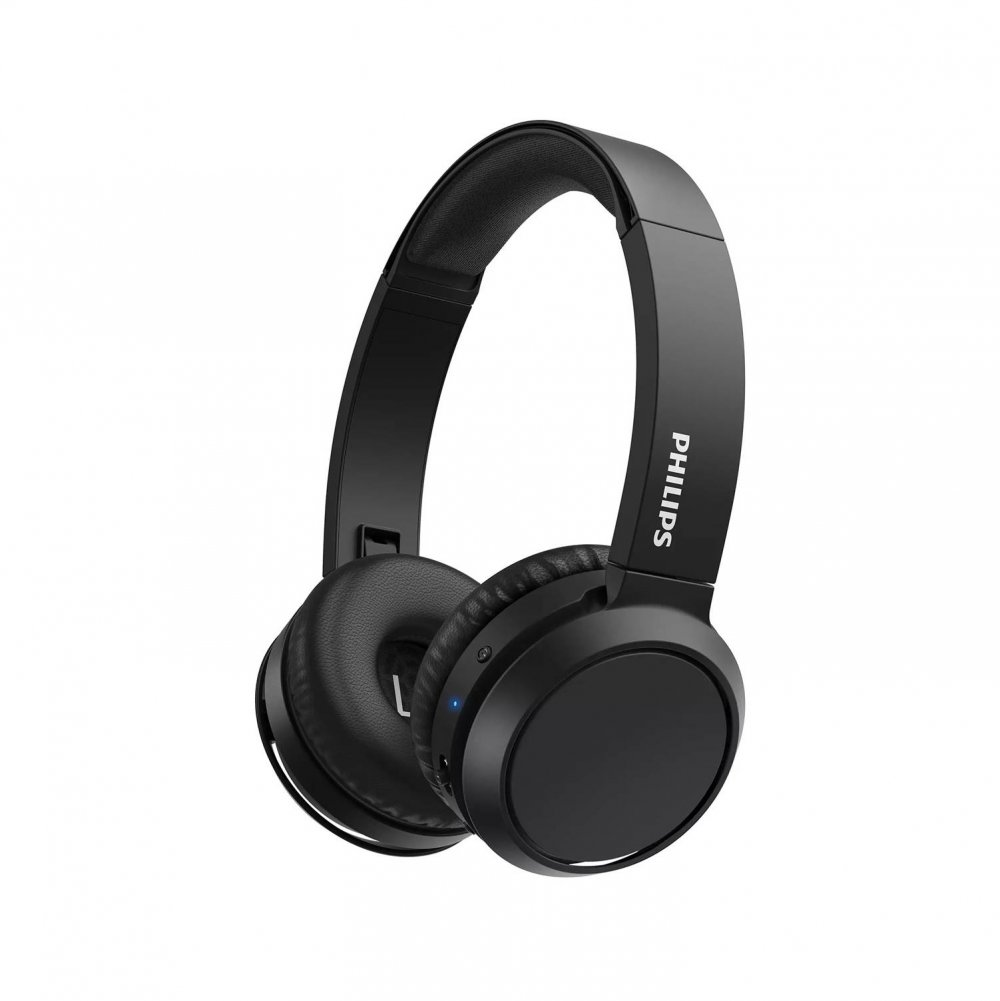
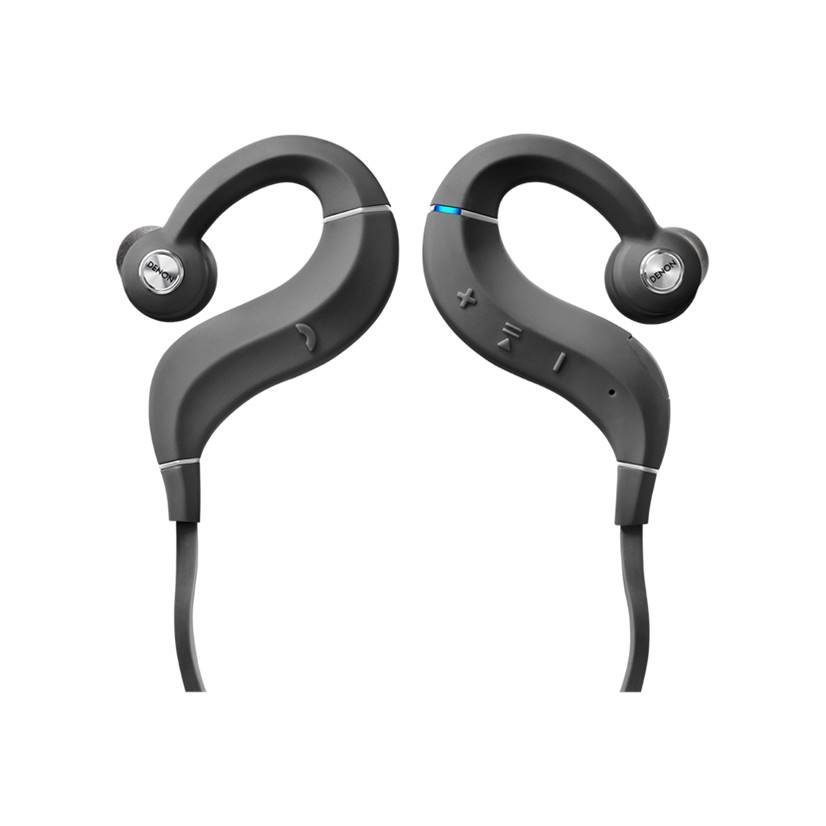
Philips TAH4205WT/00 vs Denon AH-C160W
Advertisement
| Specification | ||
|---|---|---|
| Price | Rs.4,166.00 |
Rs.4,098.41 |
| Brand | Philips |
Denon |
| Model No | TAH4205WT/00 |
AH-C160W |
| Wired / Wireless | Wireless Headphone Specification |
Wireless Headphone Specification |
| Headphone Type | On Ear |
Neckband |
| Magnet Type | Neodymium |
Dynamic |
| Driver Diameter | 32 mm |
11.5 mm |
| Impedance | 32 ohm |
NA |
| Sensitivity | 110 dB |
100 dBA |
| Frequency Response | 20 Hz - 20000 kHz |
5 Hz - 22000 Hz |
| Maximum Power Input | 40 mW |
DC 3.7 V |
| Wireless / Bluetooth Details | ||
| Wireless Technology | Bluetooth |
Bluetooth |
| Bluetooth Version | 5.0 |
4.1 |
| Compatible Profiles | All Bluetooth Devices |
All Bluetooth Devices |
| Supported Codecs | A2DP, AVRCP, HFP |
AAC, SBC, A2DP, AVRCP, HSP, HFP |
| Battery Type | Lithium Polymer Batteries |
Lithium-ion Polymer |
| Bluetooth Range | 10 Meters |
10 Meters + Class 1 |
| Battery Life | 29 Hours |
10 Hours |
| Charging Time | 2 Hours |
2 Hours |
| Noise Cancelling | Passive |
NA |
| Available Colors | Black, White, Blue, Orange |
Black, White, Blue |
| Connector Plating | NA |
NA |
| Cable | USB-C Charging Cable |
USB Micro-B Charging Cable |
| Weight | 180.5 gm |
23 Gm |
| Other Features | Eye-catching matte colorways. Matte style. Maximum comfort. Flat-fold design for easy storage. 29 hours play time. Big bold bass. 29 hours play time. USB-C charging. Powerful 32 mm neodymium drivers. BASS boost button. Stronger bass at a touch. Compact foldable design for easy portability. Lightweight, adjustable cushioned headband. Charge for 15 minutes, get extra 4 hours play time. Great sound isolation from the closed-back design. Smart pairing. Automatically find Bluetooth devices. Multi-function button. Easily control music and calls. Soft ear cups that can be angled for maximum comfort. |
IPX5/7 Class Sweat Resistance. Tough construction for life on the move. Sweat and moisture protection for long-term durability. High-quality 11.5 mm drivers with digital signal processing. Earhook technology and a choice of eartips for comfort and a secure fit. Clear Voice Capture noise reduction for phone calls, plus voice prompts. Bluetooth Class 1 connectivity for tangle-free use and reliable connection. |
Advertisement
Compare Philips TAH4205WT/00 with:
Compare Denon AH-C160W with:
Top Differences
- Battery Life: 29 Hours vs 10 Hours
- Noise Cancelling: Passive vs NA
- Driver Size: 32 mm vs 11.5 mm
- Bluetooth: 5.0 vs 4.1
- Weight: 180.5 gm vs 23 Gm
Advertisement