 ALERT
ALERT
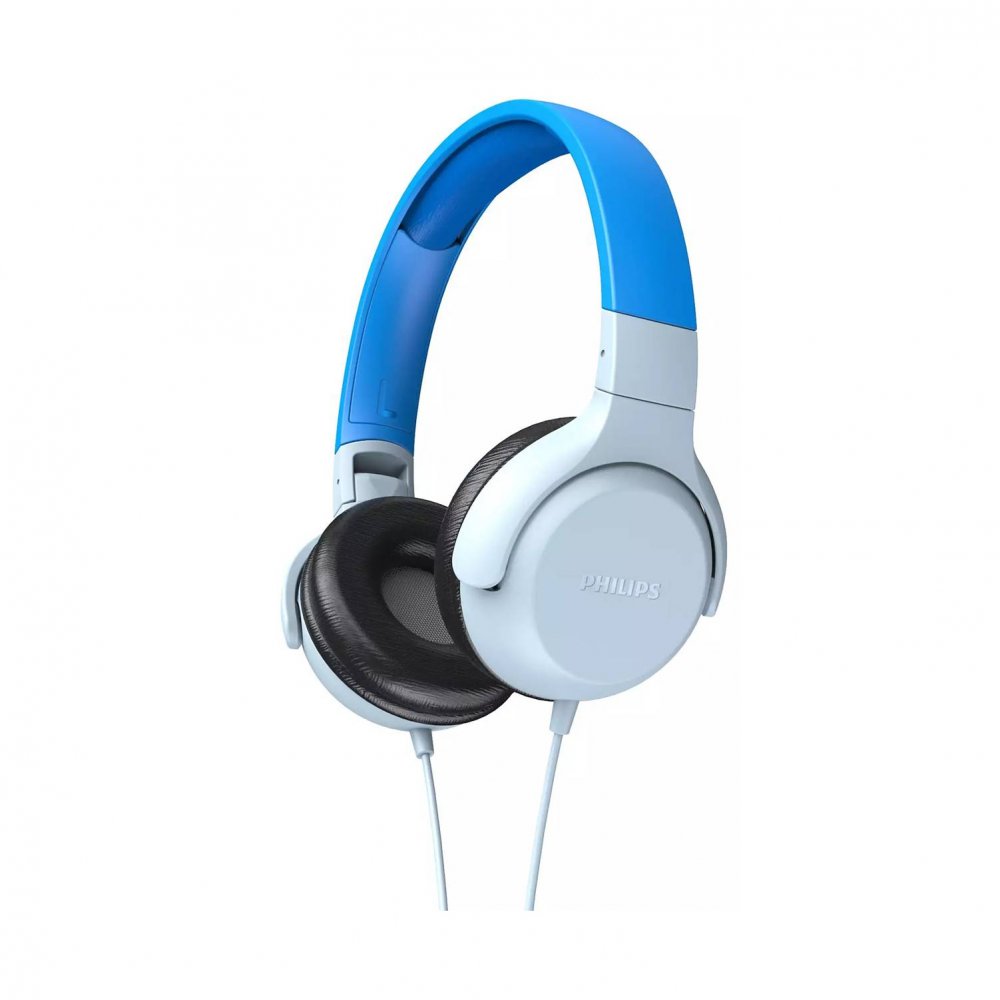
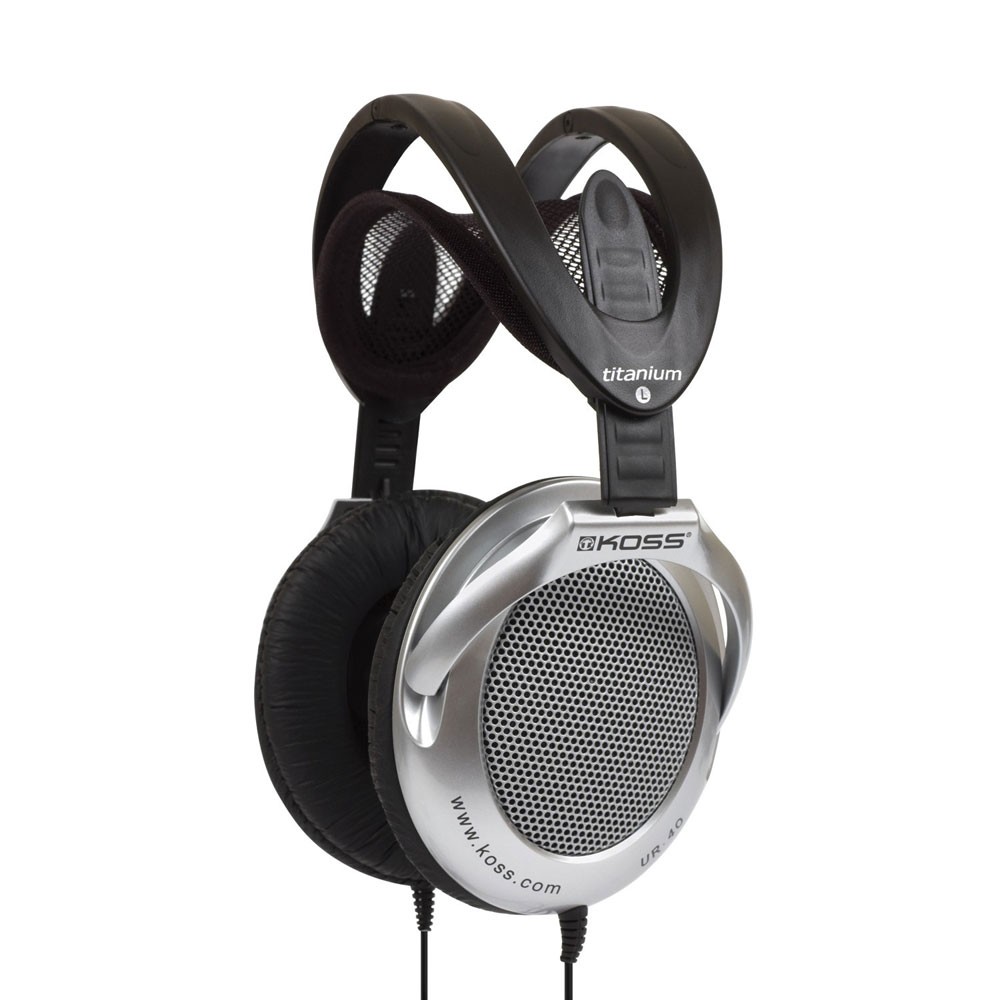
Philips TAKH301PK/00 vs Koss UR40
Advertisement
| Specification | ||
|---|---|---|
| Price | Rs.4,699.00 |
Rs.4,500.00 |
| Brand | Philips |
Koss |
| Model No | TAKH301PK/00 |
UR40 |
| Wired / Wireless | Wired Headphone Specification |
Wired Headphone Specification |
| Headphone Type | On Ear |
Over Ear |
| Magnet Type | Neodymium |
Neodymium |
| Driver Diameter | 32 mm |
40 mm |
| Impedance | 32 ohm |
60 Ohms |
| Sensitivity | 95dB |
98 dB/mW |
| Frequency Response | 20 Hz - 20000 kHz |
15 Hz - 22000 Hz |
| Maximum Power Input | 10 mW |
NA |
| Noise Cancelling | Passive |
NA |
| Available Colors | Blue, Pink |
Black |
| Connector Plating | 3.5 mm stereo Gold-Plated Jack |
3.5 mm Gold Plated Jack |
| Cable | Tangle Resistant Cable |
1.2 m |
| Weight | 111 gm |
NA |
| Other Features | Volume limited to 95 dB. Light, cushioned headband. 32 mm acoustic drivers. Clear sound. Compact-folding design. Easy storage. Flexible, adjustable headband. Twist it, bend it. A 1.2 m long cable that is ideal for outdoor use. Simple in-line remote. Easily control music and calls. Customizable ear cups. Use stickers or personal artwork. Light, comfortable ear-cup cushions. Perfect for young ears. |
- Full-frequency clean sound turns any recording into a "live" performance - Screened ear cups provide open, hear-through sound letting listeners stay in touch with surroundings - Closed leatherette ear cushions form tight seal around ears, enhancing sound bass - Enjoy greater volume levels, even with low-voltage portable devices - Airy mesh sling provides soft, breathable support - Lightweight frame (just over 6 oz) folds into protective compact configuration for easy portability - Includes a straight, dual-entry 4 foot cord with gold-flashed 3.5 mm (1/8-inch) plug - Covered under the Koss Stereo phones Limited Lifetime Warranty |
Advertisement
Compare Philips TAKH301PK/00 with:
Compare Koss UR40 with:
Top Differences
- Noise Cancelling: NA vs Passive
- Driver Size: 40 mm vs 32 mm
- Weight: NA vs 111 gm
- Impedance: 60 Ohms Vs 32 ohm
Advertisement