 ALERT
ALERT
Philips TAN2215BK/94 vs ACwO DwOTS 111
Advertisement
| Specification | ||
|---|---|---|
| Price | Rs.3,999.00 |
Rs.3,996.00 |
| Brand | Philips |
ACwO |
| Model No | TAN2215BK/94 |
DwOTS 111 |
| Wired / Wireless | Wireless Headphone Specification |
Wireless Headphone Specification |
| Headphone Type | Neckband |
In Ear |
| Magnet Type | Neodymium |
Dynamic |
| Driver Diameter | 9 mm |
10 mm |
| Impedance | 16 ohm±15% |
32 Ohms |
| Sensitivity | 108±3 dB |
114±3dB@400Hz |
| Frequency Response | 20 Hz - 20000 kHz |
20Hz - 20KHz |
| Maximum Power Input | NA |
DC 5V |
| Wireless / Bluetooth Details | ||
| Wireless Technology | Bluetooth |
Bluetooth |
| Bluetooth Version | 5.0 |
5.4 |
| Compatible Profiles | All Bluetooth Devices |
All Bluetooth Devices |
| Supported Codecs | A2DP, AVRCP, HSP, HFP, SBC |
AAC, SBC |
| Battery Type | Lithium-Ion Batteries |
Lithium-Ion Batteries |
| Bluetooth Range | 10 Meters |
10 Meters |
| Battery Life | 11 Hours |
75 Hours |
| Charging Time | 1.5 Hours |
1 Hours |
| Noise Cancelling | Passive |
AI-Environmental Noise Cancelling |
| Available Colors | Black |
Blue, Red, Grey, Purple |
| Connector Plating | NA |
NA |
| Cable | USB Charging Cable |
USB Type-C Charging Cable |
| Weight | 24 gm |
35 GM |
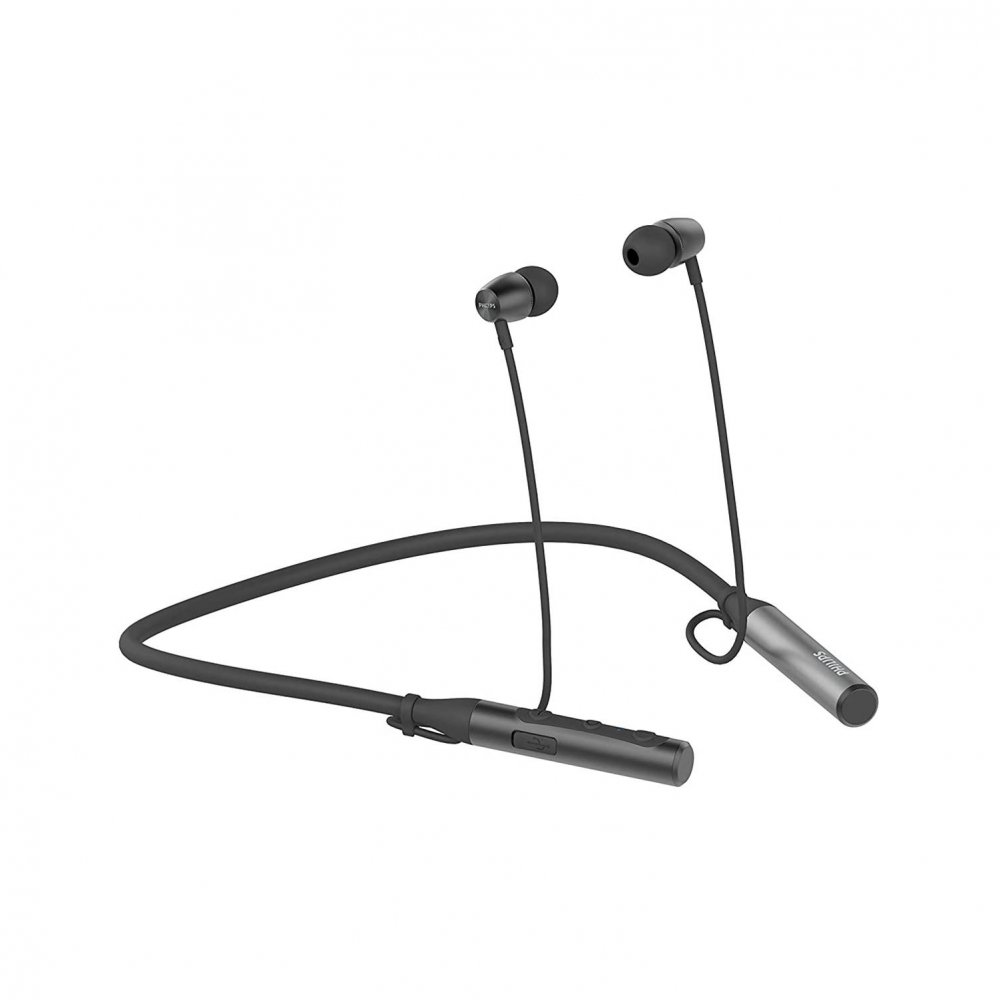
| Other Features | Wireless control for music enjoyment and calls. Soft rubberized neckband for comfort and stability. Powerful 9mm drivers deliver a deep, dynamic bass. Passive noise isolation for better sound at lower volume. Choose from 3 pairs of ear caps for the perfect fit for you. Premium metal housing offers accurate sound transmission. This IPX4-rated splash-proof neckband with 11 hours of play time is your perfect companion. Magnetic eartips keep them in place when not in use, and the slender, flexible and lightweight neckband ensures durability and comfort. |
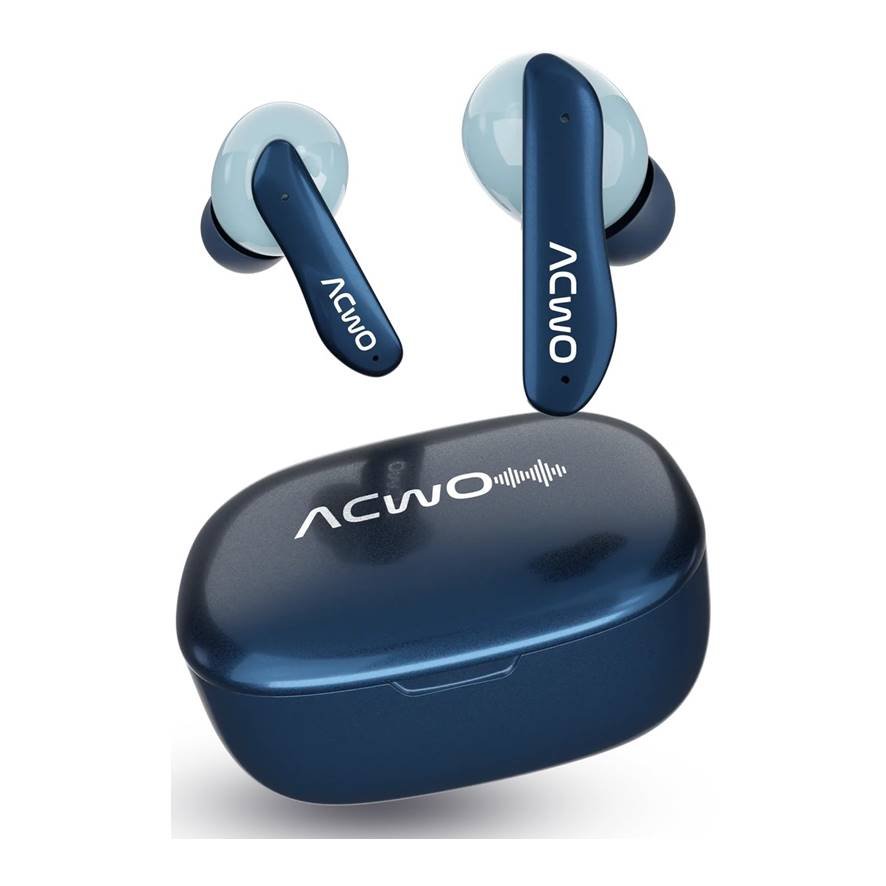
One Year Warranty. IPX5 Water & Sweat Resistant. Unmatched Call Clarity : Conversations have never been clearer. With 4 Noise Cancellation Mics enhanced by AI-ENC and advanced SONIC SHIELD technology, the DwOTS 111 ensures flawless voice quality, even in bustling environments. Endless Entertainment : Say goodbye to interruptions with an astonishing up to 75 hours of playtime. Whether you're binge-watching, gaming, or grooving to your favorite tunes, the DwOTS 111 keeps the rhythm alive without frequent recharges. Modes For Your Moods : Why settle for one audio experience when you can have it all? Switch effortlessly between Dedicated Bass Mode for heart-thumping lows and Cinematic Mode for a surround sound experience that brings movies and games to life. Sleek & Lightweight Masterpiece : The DwOTS 111 is not just a pair of earbuds; it’s a style statement. Designed with a sleek, feather-light build, these earbuds seamlessly carry elegance and practicality, making them the perfect accessory for your dynamic lifestyle. Audio That Moves You : Immerse yourself in the richness of sound like never before. Equipped with cutting-edge 10mm Bass Boom X Hi-Fi drivers and Spatial Audio, these earbuds deliver every note and beat with precision, from soaring highs to thunderous bass that pulls you into the music. |
Advertisement
Compare Philips TAN2215BK/94 with:
Compare ACwO DwOTS 111 with:
Top Differences
- Battery Life: 11 Hours vs 75 Hours
- Noise Cancelling: Passive vs AI-Environmental Noise Cancelling
- Driver Size: 9 mm vs 10 mm
- Bluetooth: 5.0 vs 5.4
- Weight: 24 gm vs 35 GM
Advertisement