 ALERT
ALERT
Philips TAPN505BK/00 vs JBL Quantum TWS AIR
Advertisement
| Specification | ||
|---|---|---|
| Price | Rs.11,990.00 |
Rs.11,999.00 |
| Brand | Philips |
JBL |
| Model No | TAPN505BK/00 |
Quantum TWS AIR |
| Wired / Wireless | Wireless Headphone Specification |
Wireless Headphone Specification |
| Headphone Type | Neckband |
Over Ear |
| Magnet Type | Neodymium |
Dynamic |
| Driver Diameter | 12.2 mm |
6.8 mm |
| Impedance | 32 ohm |
16 Ohms |
| Sensitivity | 103 dB |
102dB SPL@1 kHz |
| Frequency Response | 7 Hz - 40000 kHz |
20 Hz - 20KHz |
| Maximum Power Input | 10 mW |
5V 1A |
| Wireless / Bluetooth Details | ||
| Wireless Technology | Bluetooth |
Bluetooth |
| Bluetooth Version | 5.0 |
5.2 |
| Compatible Profiles | All Bluetooth Devices |
All Bluetooth Devices |
| Supported Codecs | A2DP, AVRCP, HFP, HSP |
AAC, SBC |
| Battery Type | Lithium Polymer Batteries |
Lithium-Ion Batteries |
| Bluetooth Range | 10 Meters |
10 Meters |
| Battery Life | 14 Hours |
24 Hours |
| Charging Time | 2 Hours |
2 Hours |
| Noise Cancelling | Active |
Active Noise Cancelling |
| Available Colors | Black |
Black |
| Connector Plating | NA |
NA |
| Cable | Micro USB Charging Cable |
USB Type-C Charging Cable |
| Weight | 96 gm |
44 GM |
| Other Features | Hi-Res Audio - Hear more. Detailed sound, Powerful bass. Line-in cable port for wired listening. 12.2 mm neodymium acoustic drivers. Music or silence - Active Noise Canceling. Oval tube insert provides ergonomic comfort fit. Built-in mic with echo cancellation for clear audio. IPX4 waterproof. For musical journeys in the rain. Carry pouch - Keep them safe when they're not on. Comfortable fit - 3 interchangeable silicone ear-tips. Rapid charge. Charge for 5 minutes, get 2 hours play. Vibration Mode. Neckband vibrates when a call comes in. Smart pairing. Automatically find your Bluetooth device. 3 interchangeable rubber earbud covers. Comfortable fit. Slender neckband. Comfortable even if you wear it all day. 14 hours play time (10 hours with Active Noise Cancelling ). |
IPX4 Water and dust resistant. Up To 24 hours of music playback. Crystal clear voice with beamforming microphones. 6 mics and integrated beamforming technology ensure your voice is always heard, whether giving commands or chatting with friends. Experience low latency wireless connection with the included USB-C dongle for compatible devices. JBL Quantum TWS earbuds work seamlessly with Bluetooth enabled devices like smartphones and tablets. JBL Quantum Surround : Feel like you re stepping inside the game with JBL Quantum Surround* for immersive and accurate sound all around you. *JBL Quantum Surround is only available on PC in combination with JBL Quantum Engine software. Check the connectivity guide for compatibility. Stay connected with Fast Pair and JBL Dual Source. Easily switch between 2.4GHz lossless wireless and Bluetooth for incoming calls without interrupting your gaming; Stay focused in the game with JBL's True Adaptive Noise Cancelling, or stay aware of your surroundings with Ambient Aware. |
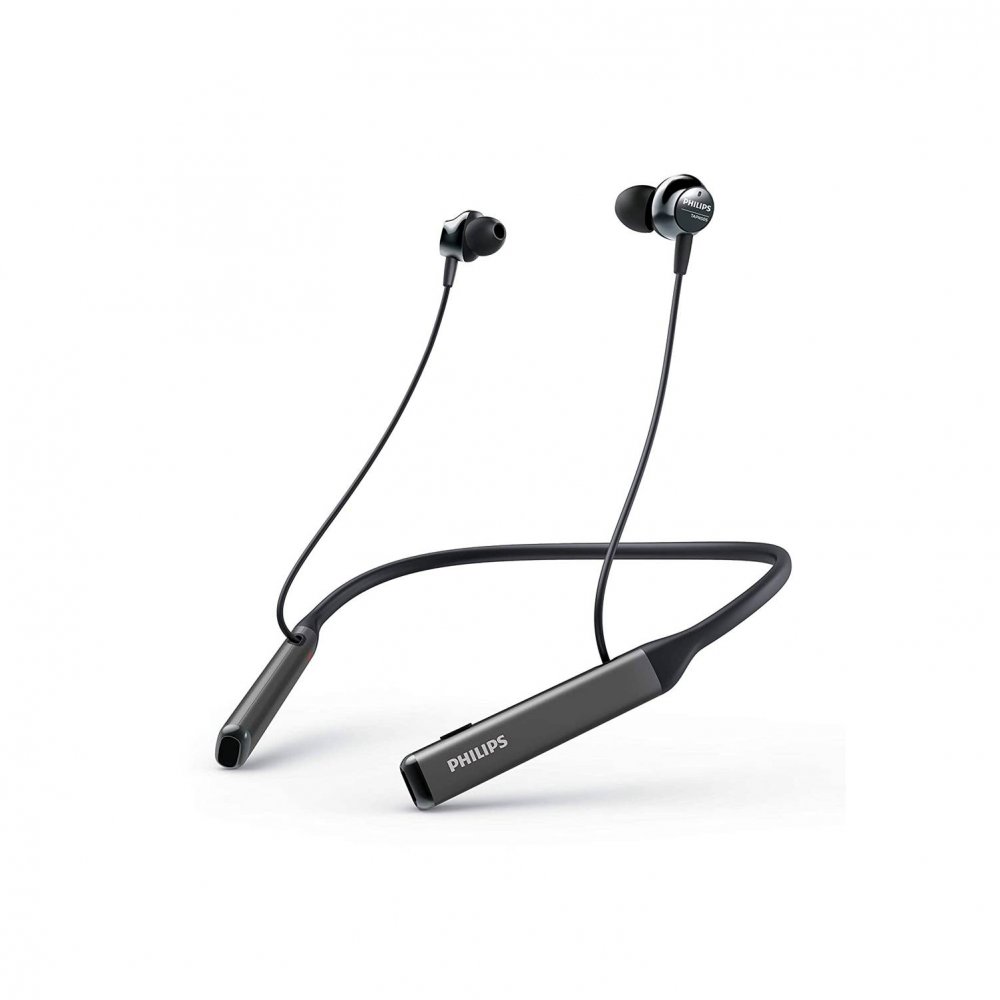
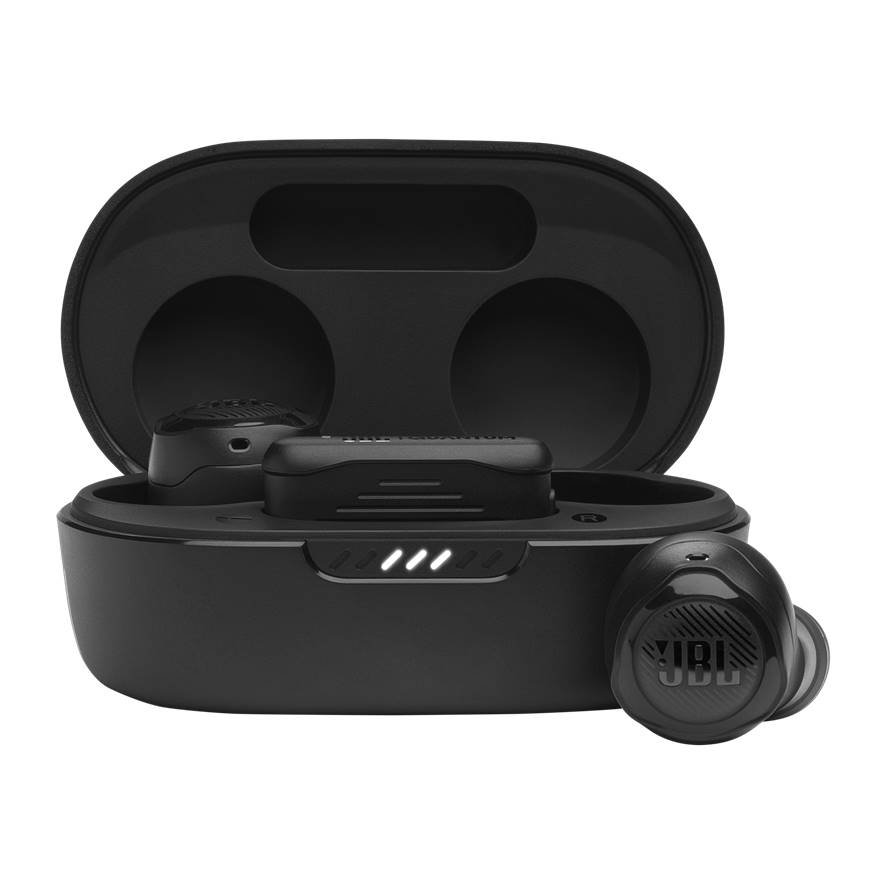
Advertisement
Compare Philips TAPN505BK/00 with:
Compare JBL Quantum TWS AIR with:
Top Differences
- Battery Life: 14 Hours vs 24 Hours
- Driver Size: 12.2 mm vs 6.8 mm
- Bluetooth: 5.0 vs 5.2
- Weight: 96 gm vs 44 GM
- Impedance: 32 ohm Vs 16 Ohms
Advertisement