 ALERT
ALERT
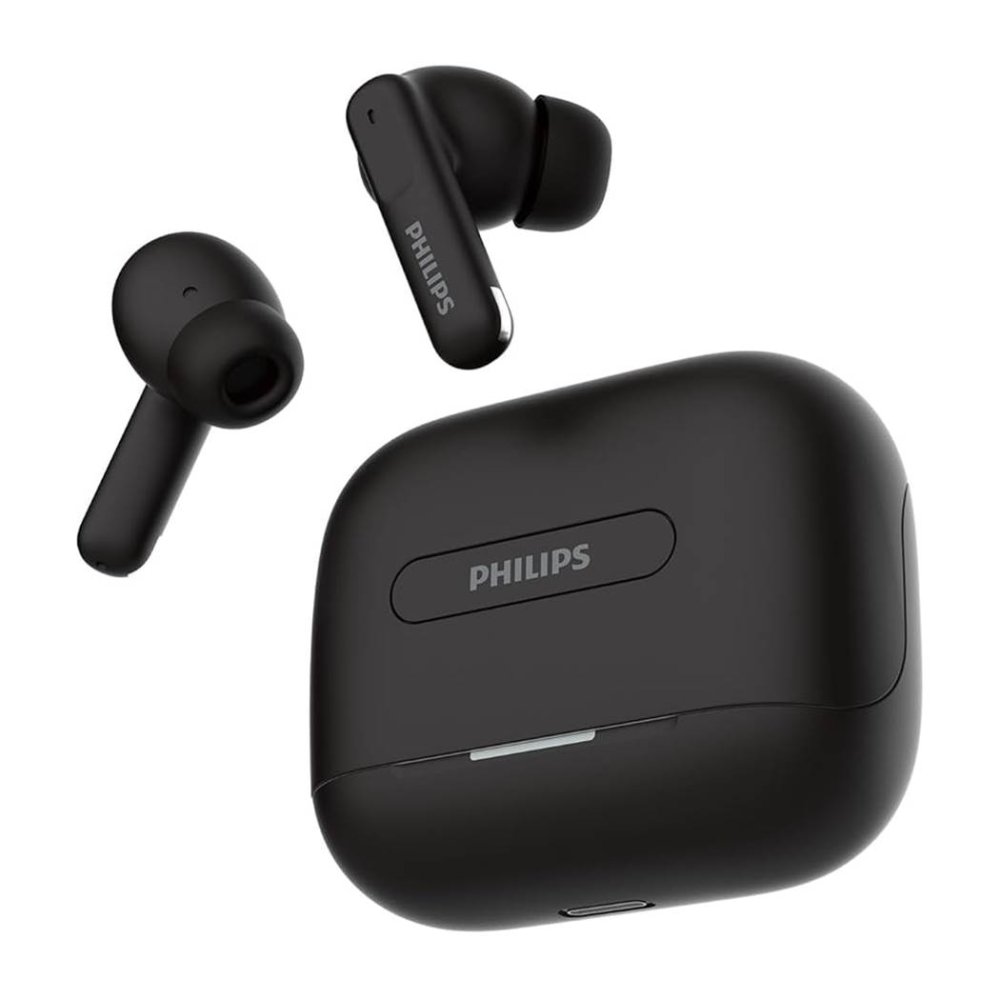
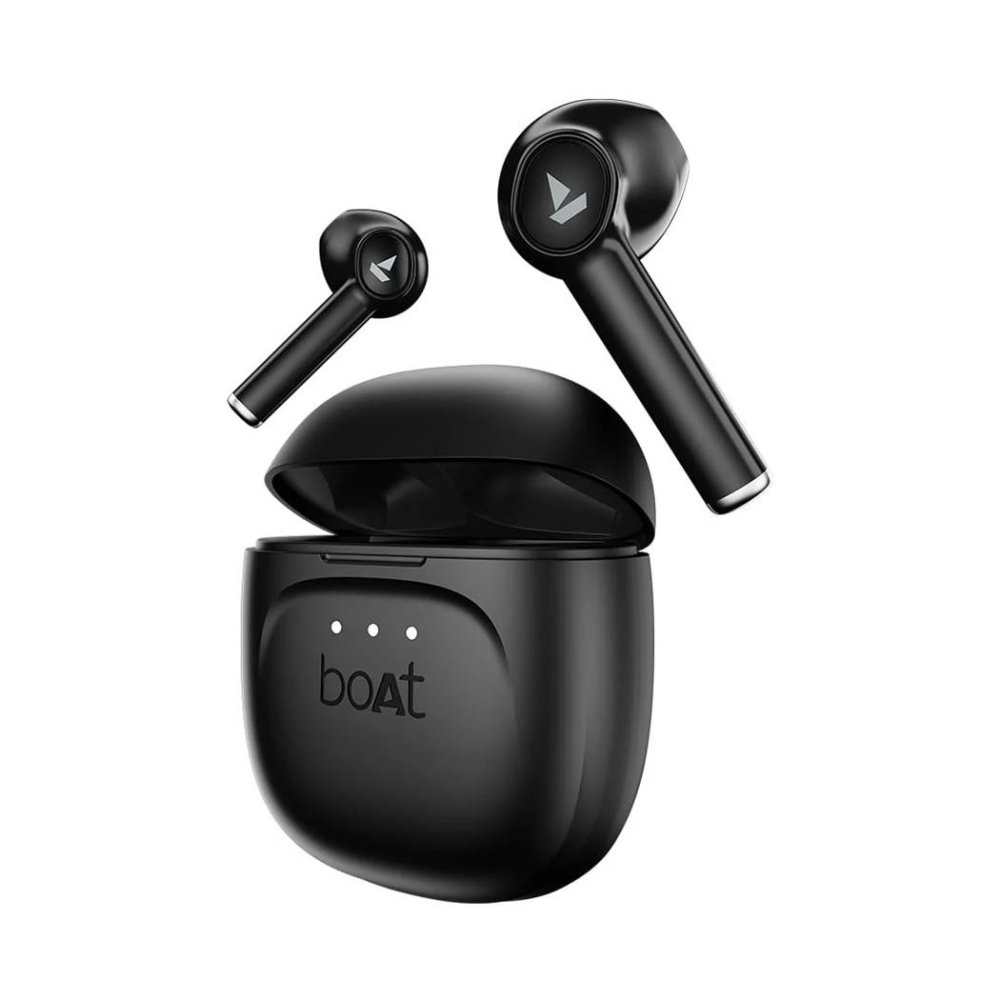
Philips TAT1050BK vs boAt Airdopes 138 Gen 2
Advertisement
| Specification | ||
|---|---|---|
| Price | Rs.2,899.00 |
Rs.2,990.00 |
| Brand | Philips |
boAt |
| Model No | TAT1050BK |
Airdopes 138 Gen 2 |
| Wired / Wireless | Wireless Headphone Specification |
Wireless Headphone Specification |
| Headphone Type | In Ear |
In Ear |
| Magnet Type | Dynamic |
Dynamic |
| Driver Diameter | 13 mm |
13 mm X 2 |
| Impedance | 32 Ohms |
16 Ohms |
| Sensitivity | 118dB+-10 dBFS 1KHz |
NA |
| Frequency Response | 20Hz - 20KHz |
20Hz - 20KHz |
| Maximum Power Input | 3 mW |
DC 5V |
| Wireless / Bluetooth Details | ||
| Wireless Technology | Bluetooth |
Bluetooth |
| Bluetooth Version | 5.3 |
5.4 |
| Compatible Profiles | All Bluetooth Devices |
All Bluetooth Devices |
| Supported Codecs | SBC, AAC |
AAC, SBC |
| Battery Type | Lithium-Polymer Batteries |
Lithium-Ion Batteries |
| Bluetooth Range | 10 Meters |
10 Meters |
| Battery Life | 50 Hours |
70 Hours |
| Charging Time | 2 Hours |
1.45 Hours |
| Noise Cancelling | Active Noise Cancelling |
Environmental Noise Cancellation |
| Available Colors | Black |
Black, White |
| Connector Plating | NA |
NA |
| Cable | USB Type-C Charging Cable |
USB Type-C Charging Cable |
| Weight | 43 GM |
75 GM |
| Other Features | Powerful Drivers : 13mm Neodymium drivers delivers deep bass and rich sound quality. Up To 55 Hours Playtime & Fast Charging : Enjoy uninterrupted music with quick charging ensures minimal downtime. Bluetooth 5.3 & Low Latency Mode : Latest BT 5.3 for seamless connectivity with ultra-low latency, perfect for gaming and streaming. Active Noise Cancelling : Experience up to 32dB noise cancellation for immersive sound, with Quad Mic Environmental Noise Cancellation for crystal-clear calls. Rapid Charging : Just 10 minutes of charging delivers an impressive 100 minutes of playback, ensuring you stay connected and entertained without long wait times. Ideal for busy lifestyles, this quick power boost keeps your devices ready when you need them most. |
ASAP Charge : A quick 10-minute ASAP charge fuels up to 300 minutes of playtime, for impromptu movie nights or travel days. 70 Hours of Playtime : From live sports streams to podcast binges and workout playlists -enjoy up to 70 hours of uninterrupted listening. More music, less charging. 45 ms Latency BEAST Mode : Turn on BEAST Mode and enjoy low 45 ms latency for lightning-fast audio-video sync. Perfect for gaming marathons where every millisecond counts. Dual Mics With ENx Technology : Take calls anywhere with ENx-powered dual mics that cut through background noise. Whether you’re in a café, metro, or airport lounge, your voice stays crystal clear. 13 mm Drivers With boAt Signature Sound : Step into a world of rich, dynamic audio with the boAt Airdopes 138 Gen 2 TWS Earbuds. High-performance 13 mm drivers deliver boAt Signature Sound with deep, thumping bass that makes every beat feel alive. |
Advertisement
Compare Philips TAT1050BK with:
Compare boAt Airdopes 138 Gen 2 with:
Top Differences
- Battery Life: 50 Hours vs 70 Hours
- Noise Cancelling: Active Noise Cancelling vs Environmental Noise Cancellation
- Bluetooth: 5.3 vs 5.4
- Weight: 43 GM vs 75 GM
- Impedance: 32 Ohms Vs 16 Ohms
Advertisement