 ALERT
ALERT
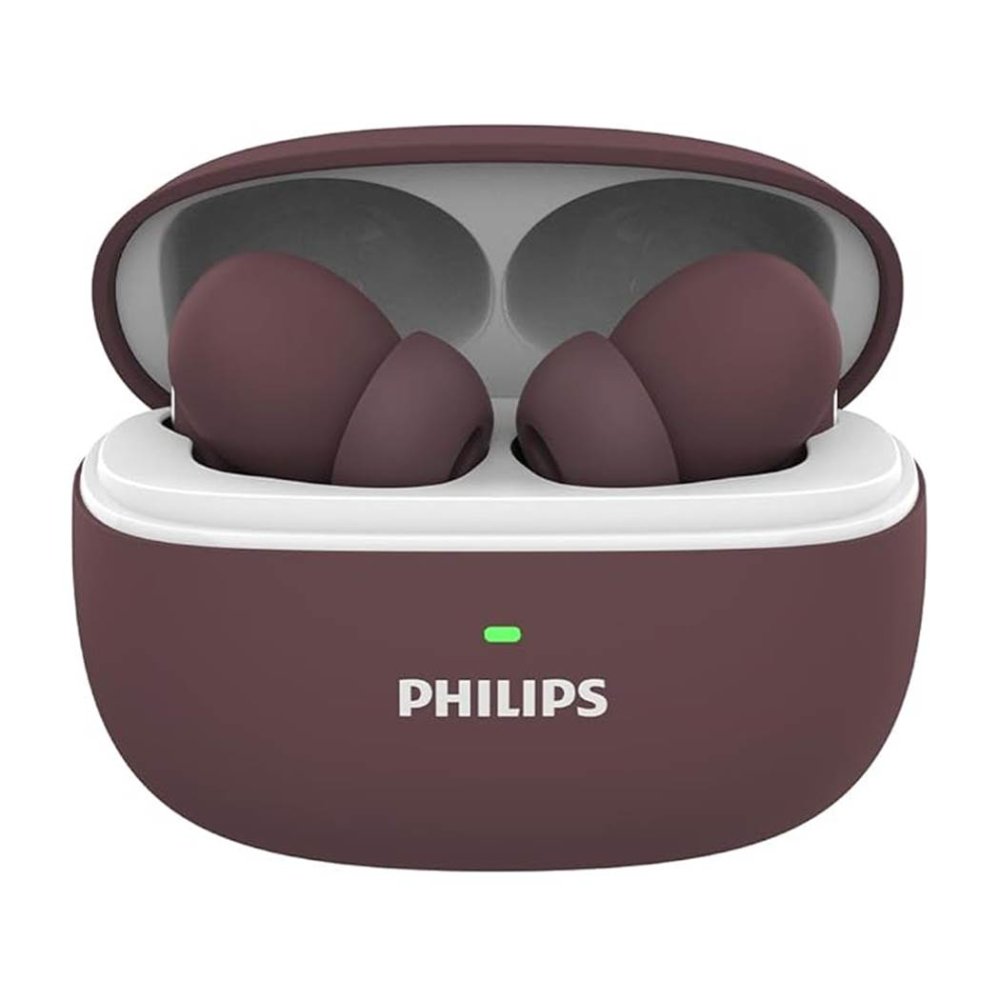
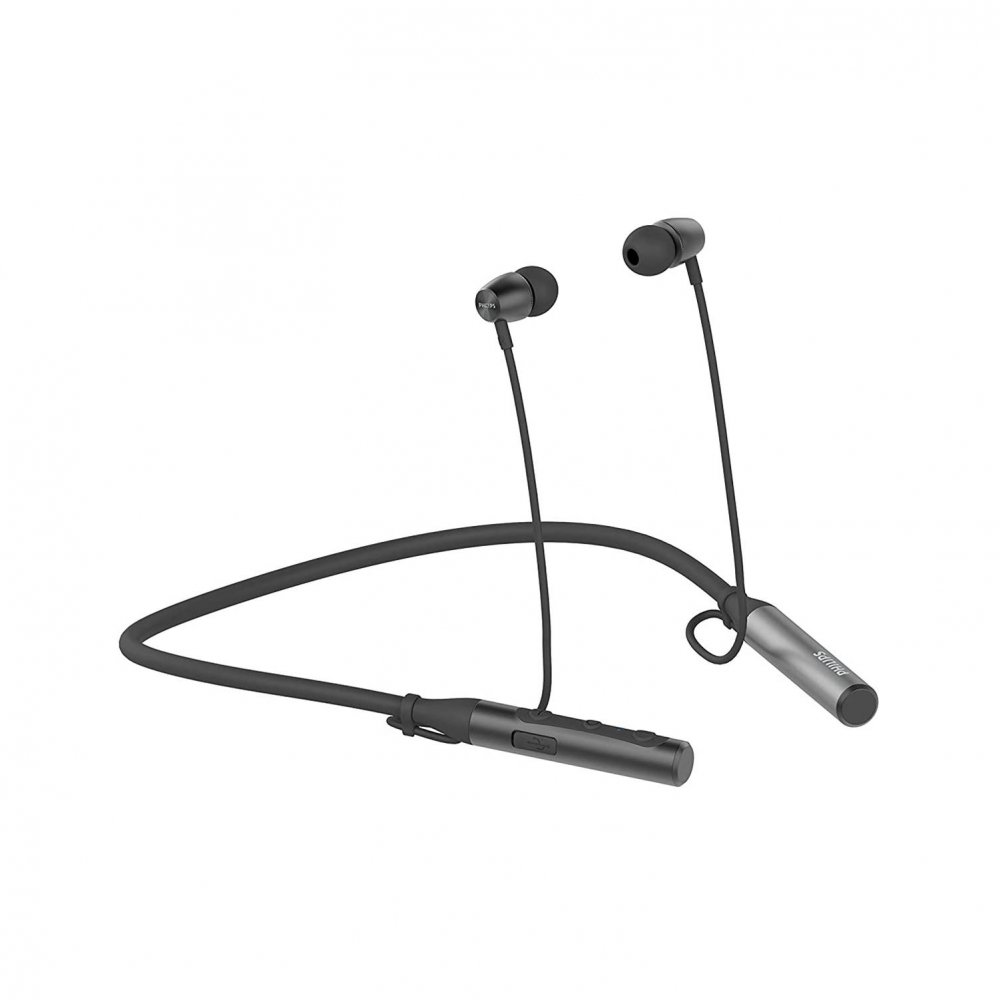
Philips TAT1150RD vs Philips TAN2215BK/94
Advertisement
| Specification | ||
|---|---|---|
| Price | Rs.3,999.00 |
Rs.3,999.00 |
| Brand | Philips |
Philips |
| Model No | TAT1150RD |
TAN2215BK/94 |
| Wired / Wireless | Wireless Headphone Specification |
Wireless Headphone Specification |
| Headphone Type | In Ear |
Neckband |
| Magnet Type | Dynamic |
Neodymium |
| Driver Diameter | 13 mm |
9 mm |
| Impedance | 32 Ohms |
16 ohm±15% |
| Sensitivity | 118dB+-10 dBFS 1KHz |
108±3 dB |
| Frequency Response | 20Hz - 20KHz |
20 Hz - 20000 kHz |
| Maximum Power Input | 3 mW |
NA |
| Wireless / Bluetooth Details | ||
| Wireless Technology | Bluetooth |
Bluetooth |
| Bluetooth Version | 5.3 |
5.0 |
| Compatible Profiles | All Bluetooth Devices |
All Bluetooth Devices |
| Supported Codecs | SBC, AAC |
A2DP, AVRCP, HSP, HFP, SBC |
| Battery Type | Lithium-Polymer Batteries |
Lithium-Ion Batteries |
| Bluetooth Range | 10 Meters |
10 Meters |
| Battery Life | 55 Hours |
11 Hours |
| Charging Time | 2 Hours |
1.5 Hours |
| Noise Cancelling | Active Noise Cancelling |
Passive |
| Available Colors | Red |
Black |
| Connector Plating | NA |
NA |
| Cable | USB Type-C Charging Cable |
USB Charging Cable |
| Weight | 43 GM |
24 gm |
| Other Features | Powerful Drivers : 13mm Neodymium drivers delivers deep bass and rich sound quality. Up To 55 Hours Playtime and Fast Charging : Enjoy uninterrupted music with quick charging ensures minimal downtime. Bluetooth 5.3 and Low Latency Mode : Latest BT 5.3 for seamless connectivity with ultra-low latency, perfect for gaming and streaming. Active Noise Cancelling : Experience up to 32dB noise cancellation for immersive sound, with Quad Mic Environmental Noise Cancellation for crystal-clear calls. Rapid Charging: Just 10 minutes of charging delivers an impressive 150 minutes of playback, ensuring you stay connected and entertained without long wait times. Ideal for busy lifestyles, this quick power boost keeps your devices ready when you need them most. |
Wireless control for music enjoyment and calls. Soft rubberized neckband for comfort and stability. Powerful 9mm drivers deliver a deep, dynamic bass. Passive noise isolation for better sound at lower volume. Choose from 3 pairs of ear caps for the perfect fit for you. Premium metal housing offers accurate sound transmission. This IPX4-rated splash-proof neckband with 11 hours of play time is your perfect companion. Magnetic eartips keep them in place when not in use, and the slender, flexible and lightweight neckband ensures durability and comfort. |
Advertisement
Compare Philips TAT1150RD with:
Compare Philips TAN2215BK/94 with:
Top Differences
- Battery Life: 11 Hours vs 55 Hours
- Noise Cancelling: Passive vs Active Noise Cancelling
- Driver Size: 9 mm vs 13 mm
- Bluetooth: 5.0 vs 5.3
- Weight: 24 gm vs 43 GM
Advertisement