 ALERT
ALERT
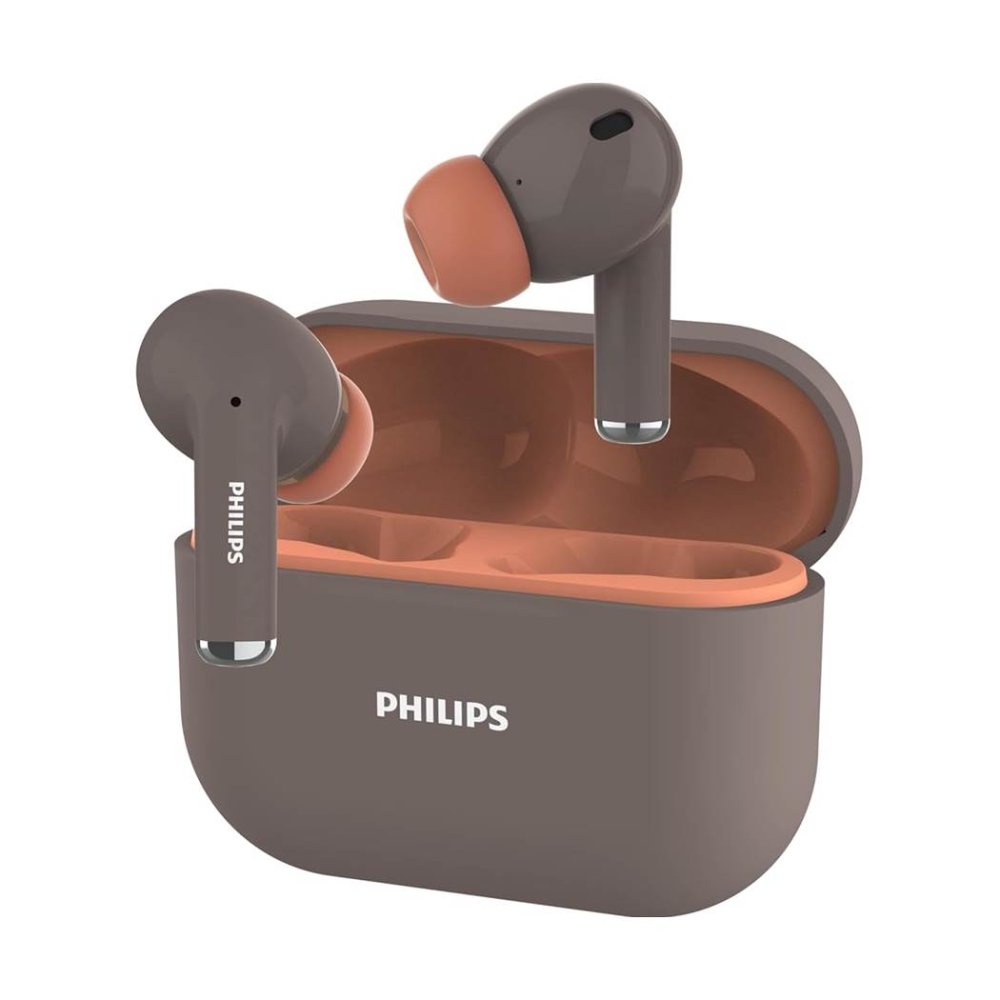
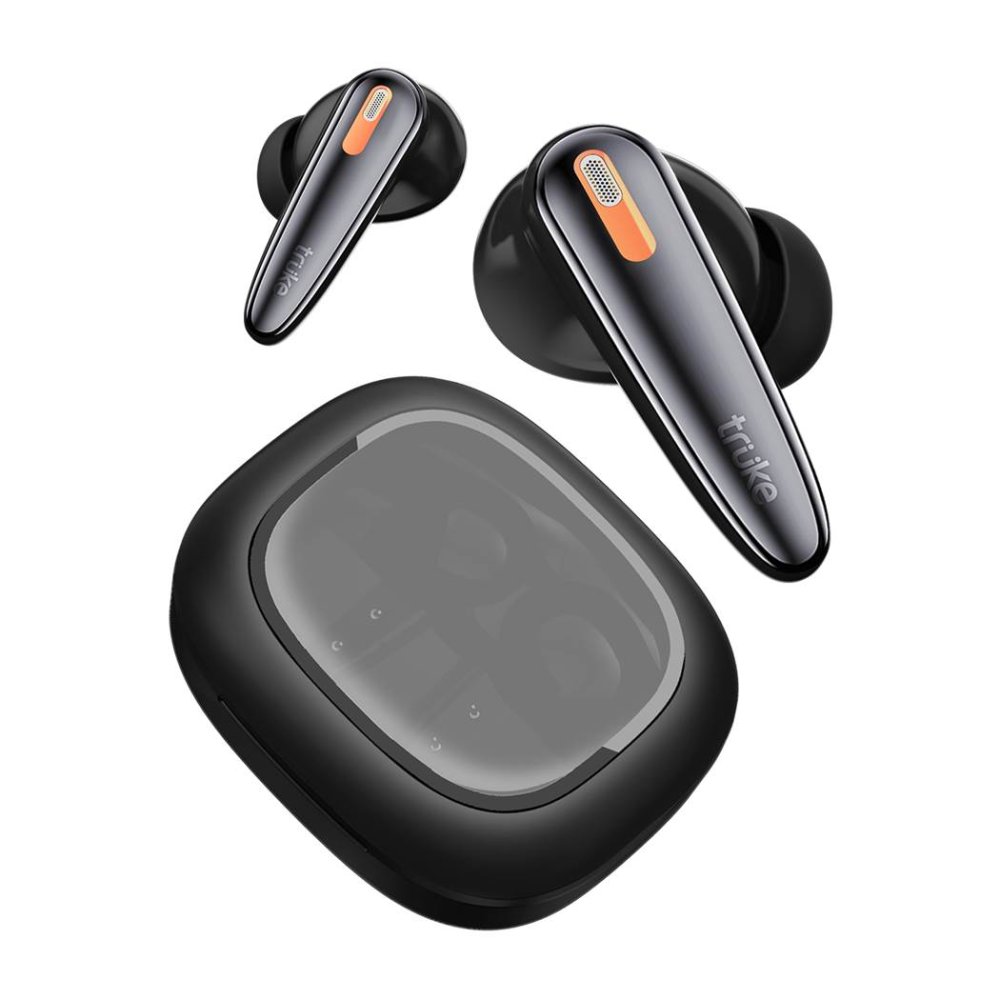
Philips TAT1169BN vs Truke Crystal Bass True Wireless
Advertisement
| Specification | ||
|---|---|---|
| Price | Rs.2,999.00 |
Rs.2,999.00 |
| Brand | Philips |
Truke |
| Model No | TAT1169BN |
Crystal Bass True Wireless |
| Wired / Wireless | Wireless Headphone Specification |
Wireless Headphone Specification |
| Headphone Type | In Ear |
In Ear |
| Magnet Type | Dynamic |
Dynamic |
| Driver Diameter | 12 mm |
13 mm |
| Impedance | 16 Ohms |
NA |
| Sensitivity | 97dB@1KHz |
NA |
| Frequency Response | 20Hz - 20KHz |
20Hz - 20 KHz |
| Maximum Power Input | 10 mW |
5 V 1A |
| Wireless / Bluetooth Details | ||
| Wireless Technology | Bluetooth |
Bluetooth |
| Bluetooth Version | 5.3 |
5.4 |
| Compatible Profiles | All Bluetooth Devices |
All Bluetooth Devices |
| Supported Codecs | AAC, SBC |
AAC, SBC |
| Battery Type | Lithium-Ion Batteries |
Lithium-Ion Batteries |
| Bluetooth Range | 10 Meters |
10 Meters |
| Battery Life | 7 + 48 Hours |
70 Hours |
| Charging Time | 2 Hours |
1E+1 Hours |
| Noise Cancelling | Environmental Noise Cancelling |
Environmental Noise Cancellation |
| Available Colors | Brown |
Black, Blue |
| Connector Plating | NA |
NA |
| Cable | USB Type-C Charging Cable |
USB Type-C Charging Cable |
| Weight | 38 GM |
41.06 GM |
| Other Features | Reliable Connection : Bluetooth connection provides a stable, uninterrupted listening and calling experience. High-Quality Sound : Experience warm, natural sound with dynamic bass boost and 12mm drivers for deep bass and clear calls. Comfort & Controls : Designed for a snug fit with interchangeable silicone ear tips, plus easy on-ear touch controls for convenience. Durable & Splash-Resistant : IPX4 rated, offering protection from sweat and splashes, making them perfect for workouts or outdoor use. Long Playtime & Convenience : Enjoy up to 55 hours of playtime with a pocket-sized charging case, ensuring your earbuds are always ready to go. |
1 Year Warranty. Quick Charging : When they do run low, they charge up fast, so you can get back to your music quickly. Long-Lasting Batteries : You can listen to music for up to 70 hours total, so you won't need to charge them very often. Strong And Stable Connection : The latest Bluetooth 5.4 makes sure your connection is strong and your music doesn't cut out. Clear Phone Calls : Four microphones and noise cancellation make your voice sound clear on phone calls, even in noisy places. No Lag For Gaming : When you're playing games or watching videos, the sound matches the picture perfectly (40ms low latency). Stylish Gradient Matte Finish : The earbuds feature a unique gradient matte finish design, combining a modern aesthetic with a comfortable, fingerprint-resistant surface. Audiophile-Grade Hi-Fi Audio : Experience unparalleled sound clarity with support for high-resolution audio codecs, delivering rich, detailed audio that surpasses standard Bluetooth. Proudly Made In India : These earbuds are designed and manufactured in India, contributing to the growth of domestic technology and manufacturing. This highlights the companies commitment to local manufacturing. Great Sound With Strong Bass : The earbuds have special speakers (13 mm Titanium Drivers) that make music sound clear and give you deep, powerful bass. These are tuned to give you extra bass, so your music sounds more exciting. |
Advertisement
Compare Philips TAT1169BN with:
Compare Truke Crystal Bass True Wireless with:
Top Differences
- Battery Life: 7 + 48 Hours vs 70 Hours
- Noise Cancelling: Environmental Noise Cancelling vs Environmental Noise Cancellation
- Driver Size: 12 mm vs 13 mm
- Bluetooth: 5.3 vs 5.4
- Weight: 38 GM vs 41.06 GM
Advertisement