 ALERT
ALERT
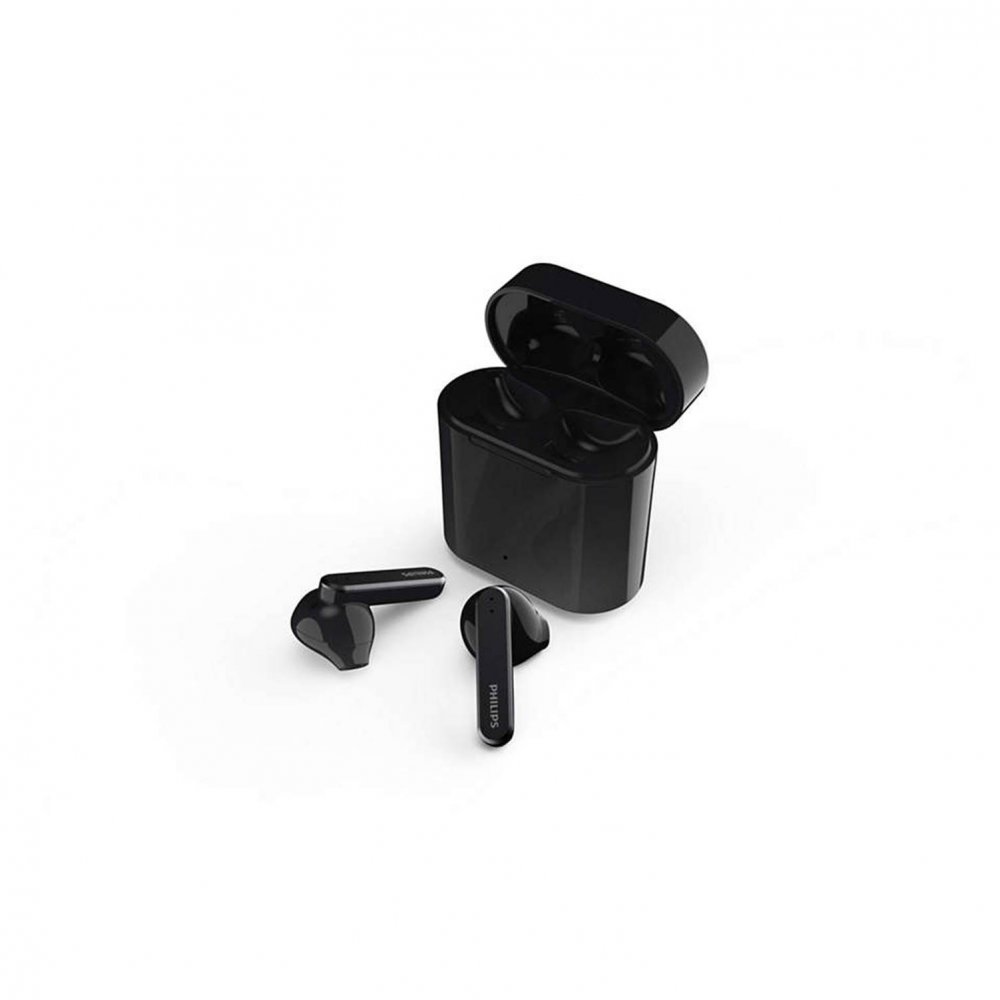
Philips TAT3265BK/97 vs Philips SHB6017-28
Advertisement
| Specification | ||
|---|---|---|
| Price | Rs.9,444.00 |
Rs.9,400.00 |
| Brand | Philips |
Philips |
| Model No | TAT3265BK/97 |
SHB6017-28 |
| Wired / Wireless | Wireless Headphone Specification |
Wireless Headphone Specification |
| Headphone Type | In Ear |
Neckband |
| Magnet Type | Neodymium |
Neodymium |
| Driver Diameter | 13 mm |
8.6 mm |
| Impedance | 32 ohm |
16 Ohm |
| Sensitivity | 98 dB |
102 dB/mW |
| Frequency Response | 20 Hz - 20000 kHz |
15 Hz - 100,000Hz |
| Maximum Power Input | NA |
20 mW |
| Wireless / Bluetooth Details | ||
| Wireless Technology | Bluetooth |
Bluetooth |
| Bluetooth Version | 5.2 |
2.1 |
| Compatible Profiles | All Bluetooth Devices |
A2DP, AVRCP, HFP, HSP |
| Supported Codecs | A2DP, AVRCP, HFP, SBC, aptX, AAC |
NA |
| Battery Type | Lithium- Ion Batteries |
Lithium-ion rechargeable battery |
| Bluetooth Range | 10 Meters |
15 m |
| Battery Life | 6+18 Hours |
Talktime : 4.5 Hrs |
| Charging Time | 2 Hours |
2 Hrs |
| Noise Cancelling | NA |
NA |
| Available Colors | Black |
Black, Brown |
| Connector Plating | NA |
NA |
| Cable | Micro USB-C Charging Cable |
NA |
| Weight | 170 gm |
84 g |
| Other Features | IPX4 splash- and sweat-resistant. Clear Voice Cancelling with 2 MICs. 13 mm driver with BT 5.2 classy BT chip. Touch control to manage the music and call. Easy way to wake your phone's voice assistant. Mirroring technology for headphone connection. Capacitive sensor, Detect the headphone in or out. Smart paring,automatically find your Bluetooth device. |
- Quick-dry headset pouch - Sweat proof and fully washable - 3 sizes of ear caps included - Noise isolating in-ear design - Adjustable ear hook - Dual mic noise suppression - Acoustic echo cancellation Convenience - Call Management : Answer/End Call, Reject Call, Last Number Redial, Voice Dial, Microphone Mute, Switch call and music - Volume Control : Yes |

Advertisement
Compare Philips TAT3265BK/97 with:
Compare Philips SHB6017-28 with:
Top Differences
- Battery Life: Talktime : 4.5 Hrs, Standby Time : 120 Hrs, Music Time : 4.5 Hrs vs 6+18 Hours
- Driver Size: 8.6 mm vs 13 mm
- Bluetooth: 2.1 vs 5.2
- Weight: 84 g vs 170 gm
- Impedance: 16 Ohm Vs 32 ohm
Advertisement