 ALERT
ALERT
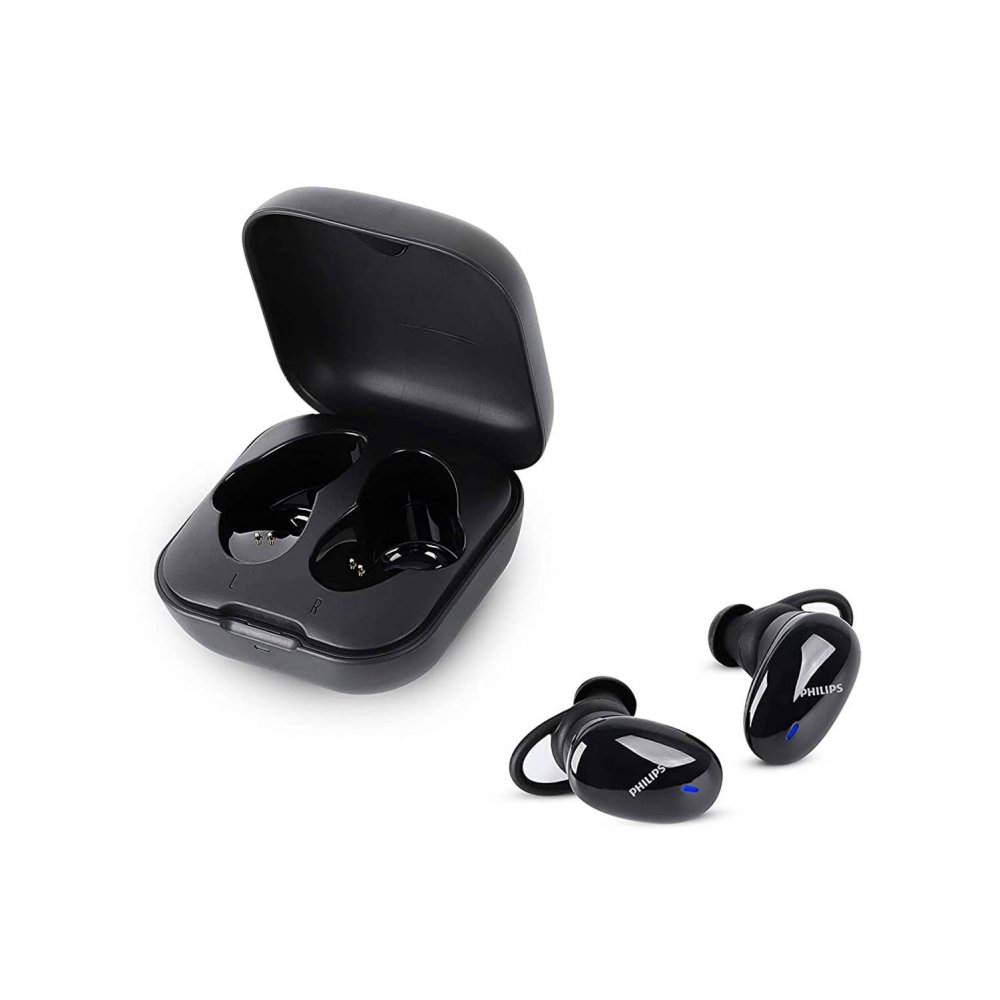
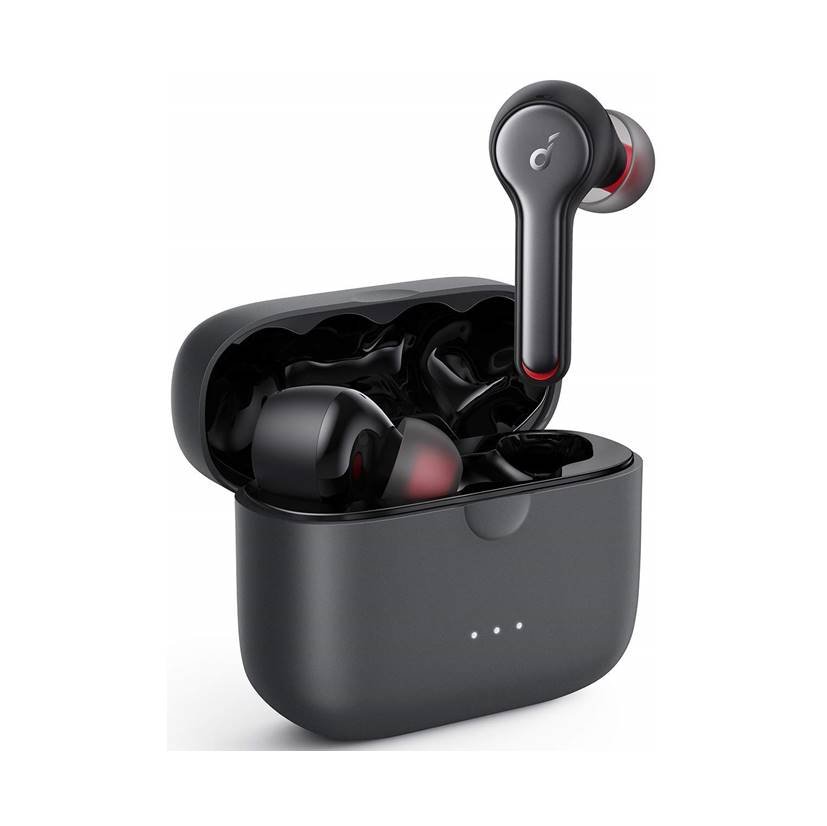
Philips TAT4205BK/94 vs Soundcore Liberty Air 2
Advertisement
| Specification | ||
|---|---|---|
| Price | Rs.6,999.00 |
Rs.6,999.00 |
| Brand | Philips |
Soundcore |
| Model No | TAT4205BK/94 |
Liberty Air 2 |
| Wired / Wireless | Wireless Headphone Specification |
Wireless Headphone Specification |
| Headphone Type | In Ear |
In Ear |
| Magnet Type | Neodymium |
Dynamic |
| Driver Diameter | 9.2 mm |
6 X 2 mm |
| Impedance | 16 ohm±15% |
16 Ohm |
| Sensitivity | 95 ± 2 dB |
NA |
| Frequency Response | 20 Hz - 20000 kHz |
20 Hz - 20000 Hz |
| Maximum Power Input | NA |
5 V / 500 mA |
| Wireless / Bluetooth Details | ||
| Wireless Technology | Bluetooth |
Bluetooth |
| Bluetooth Version | 5.0 |
5.0 |
| Compatible Profiles | All Bluetooth Devices |
All Bluetooth Devices |
| Supported Codecs | A2DP, AVRCP, HFP, HSP, SBC |
SBC, AAC |
| Battery Type | Lithium- Ion Batteries |
Lithium-ion Batteries |
| Bluetooth Range | 10 Meters |
10 Meters |
| Battery Life | 5+15 Hours |
7 / 28 Hours |
| Charging Time | 2 Hours |
3.5 Hours |
| Noise Cancelling | Passive |
CVC |
| Available Colors | Black |
Black, White |
| Connector Plating | NA |
NA |
| Cable | USB-C Charging Cable |
USB Type-C Charging Cable |
| Weight | 110 gm |
59 Gm |
| Other Features | 5 + 15 hrs Playtime. IPX5-rated splash-proof design. Easily wake your phone's voice assistant. Built-in mic with echo cancellation for clear audio. Soft rubberized wing tips. Secure and comfortable. Mono mode for when you want to leave one ear free. Smart pairing. Automatically find your Bluetooth device. Passive noise isolation for better sound at lower volume. 3 interchangeable rubber earbud covers. Comfortable fit. High performance speakers deliver booming sound and power. |
1.5 hours ( For Earbuds ), 2 Hours ( For Charging Case via USB ), 3.5 Hours ( For Charging Case via Wireless Charger ). Up to 28 Hours of Playtime: Enjoy 7 hours of playtime on a single charge and extend to 28 hours with the charging case. One-Step Pairing and Bluetooth 5 Connectivity: Liberty Air 2 wireless earphones use Bluetooth 5 for a fast, easy, and ultra-stable connection. Diamond-Inspired Sound: Liberty Air 2’s diamond-inspired drivers increase the sound frequency bandwidth by 15% and deliver 2 × the amount of bass. HearID Technology: HearID maps your hearing sensitivity at multiple frequencies and intelligently analyzes the results to give you a truly personalized listening experience. Perfect for Home Offices: Each earbud is equipped with two microphones and cVc 8.0 noise reduction technology. Environmental noises are reduced by 60%, while 95% of your voice is retained so you sound louder and clearer on the other end. |
Advertisement
Compare Philips TAT4205BK/94 with:
Compare Soundcore Liberty Air 2 with:
Top Differences
- Battery Life: 5+15 Hours vs 7 / 28 Hours
- Noise Cancelling: Passive vs CVC
- Driver Size: 9.2 mm vs 6 X 2 mm
- Weight: 110 gm vs 59 Gm
- Impedance: 16 ohm±15% Vs 16 Ohm
Advertisement