 ALERT
ALERT
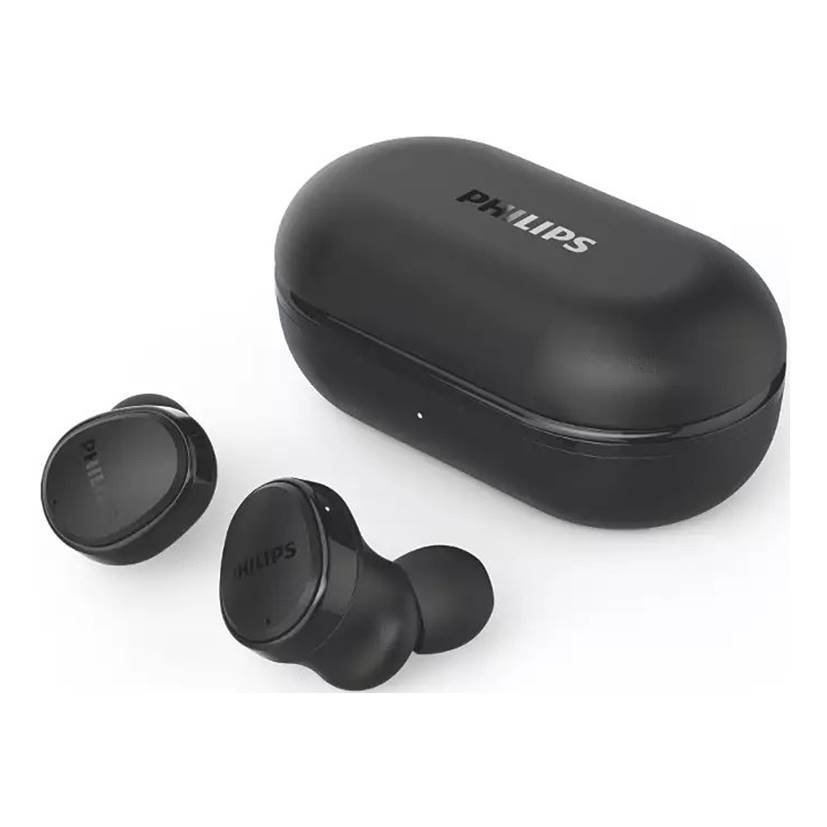
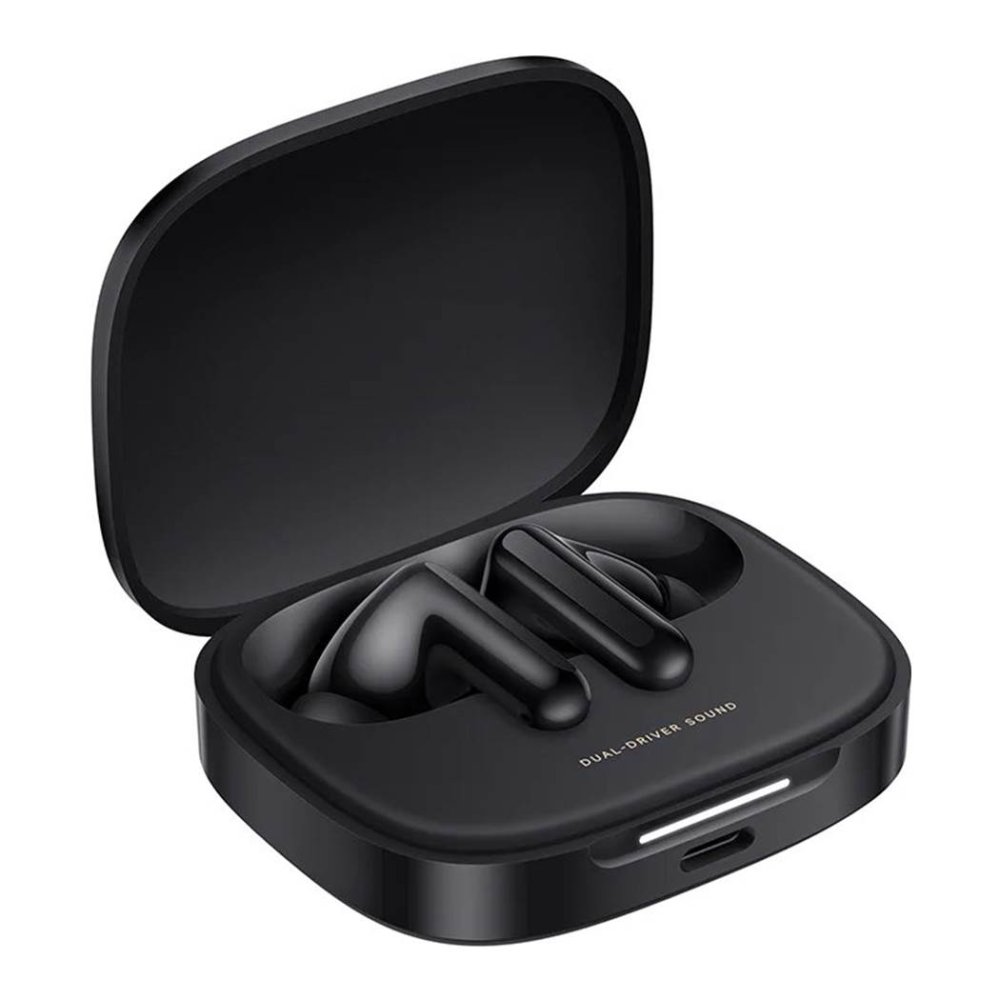
Philips TAT4556BK/97 vs Mi Redmi Buds 6
Advertisement
| Specification | ||
|---|---|---|
| Price | Rs.2,828.86 |
Rs.2,799.00 |
| Brand | Philips |
Mi |
| Model No | TAT4556BK/97 |
Redmi Buds 6 |
| Wired / Wireless | Wireless Headphone Specification |
Wireless Headphone Specification |
| Headphone Type | In Ear |
In Ear |
| Magnet Type | Neodymium |
Dynamic |
| Driver Diameter | 12 mm |
12.4 mm |
| Impedance | 16 ohm |
32 Ohms |
| Sensitivity | 98 dB |
49dB |
| Frequency Response | 20 Hz - 20,000 Hz |
20Hz - 20KHz |
| Maximum Power Input | 10 mW |
DC 5 V 1A |
| Wireless / Bluetooth Details | ||
| Wireless Technology | Bluetooth |
Bluetooth |
| Bluetooth Version | 5.2 |
5.4 |
| Compatible Profiles | All Bluetooth Devices |
All Bluetooth Devices |
| Supported Codecs | SBC |
AAC, SBC |
| Battery Type | Lithium-ion Batteries |
Lithium-Ion Batteries |
| Bluetooth Range | 10 Meters |
10 Meters |
| Battery Life | 9 +20 Hours |
10 + 26 + 42 Hours |
| Charging Time | 3 Hours |
2.30 Hours |
| Noise Cancelling | Hybrid Active Noise Canceling |
Hybrid Active Noise Cancelling |
| Available Colors | Black, White, Green, Purple |
Black, White, Green |
| Connector Plating | NA |
NA |
| Cable | USB Type-C Charging Cable |
USB Type-C Charging Cable |
| Weight | 47 Gm |
43.2 GM |
| Other Features | Earbuds with in-ear fit. Secure, comfortable in-ear fit. IPX4 splash and sweat resistant. Touch controls. Built-in mic. Easy pairing. Make calls using a single earbud. Mono mode. Portable USB-C charging case. 20 hours extra play time. Always focused on your music. Hybrid Active Noise Canceling. |
Comfortable To Wear : The earphones weigh less than 4g and are designed for thousands of people to wear comfortably for a long time. Colorful & Fashionable : Compact and portable, easy to carry, fashionable item to carry with you. Supporting the Xiaomi Earphone App, it is a great companion for your phone. 30 Hours Long Battery Life : Support a single 6-hour battery life, and when combined with a charging case, the comprehensive battery life can reach 30 hours, providing good sound throughout the day. Clear Voice Call : 2 MIC beamforming design. Combined with DNN acoustic ENC algorithm, can effectively filter out environmental noise and have clearer calls. MIC double perforation design ensures effective filtering of 4m/s call wind noise. Amazing Music Experience : The 12.4mm dynamic horn has better low-frequency response and higher sound pressure level, which can bring richer and deeper bass effects. Xiaomi Acoustic Laboratory tuning, Five different EQ settings with different styles. |
Advertisement
Compare Philips TAT4556BK/97 with:
Compare Mi Redmi Buds 6 with:
Top Differences
- Battery Life: 9 +20 Hours vs 10 + 26 + 42 Hours
- Bluetooth: 5.2 vs 5.4
- Weight: 47 Gm vs 43.2 GM
- Impedance: 16 ohm Vs 32 Ohms
Advertisement