 ALERT
ALERT
pTron Tangent Evo vs Cellecor BT-3
Advertisement
| Specification | ||
|---|---|---|
| Price | Rs.849.00 |
Rs.849.00 |
| Brand | pTron |
Cellecor |
| Model No | Tangent Evo |
BT-3 |
| Wired / Wireless | Wireless Headphone Specification |
Wireless Headphone Specification |
| Headphone Type | Neckband |
Neckband |
| Magnet Type | Dynamic |
Neodymium |
| Driver Diameter | 10 mm |
10 mm |
| Impedance | 16 Ohms |
NA |
| Sensitivity | 110±3dB |
NA |
| Frequency Response | 20Hz - 20KHz |
NA |
| Maximum Power Input | DC 5 V 1A |
5 V DC |
| Wireless / Bluetooth Details | ||
| Wireless Technology | Bluetooth |
Bluetooth |
| Bluetooth Version | 5.0 |
5.2 |
| Compatible Profiles | All Bluetooth Devices |
All Bluetooth Devices |
| Supported Codecs | SBC |
NA |
| Battery Type | Lithium-Polymer Batteries |
Lithium-Ion Batteries |
| Bluetooth Range | 10 Meters |
10 Meters |
| Battery Life | 6 + 6.5 Hours |
25 Hours |
| Charging Time | 3 Hours |
2 Hours |
| Noise Cancelling | Sound Isolation |
NA |
| Available Colors | Black |
Black, Blue |
| Connector Plating | NA |
NA |
| Cable | Micro USB Charging Cable |
Type-C USB Charging Cable |
| Weight | 90 GM |
100 Gm |
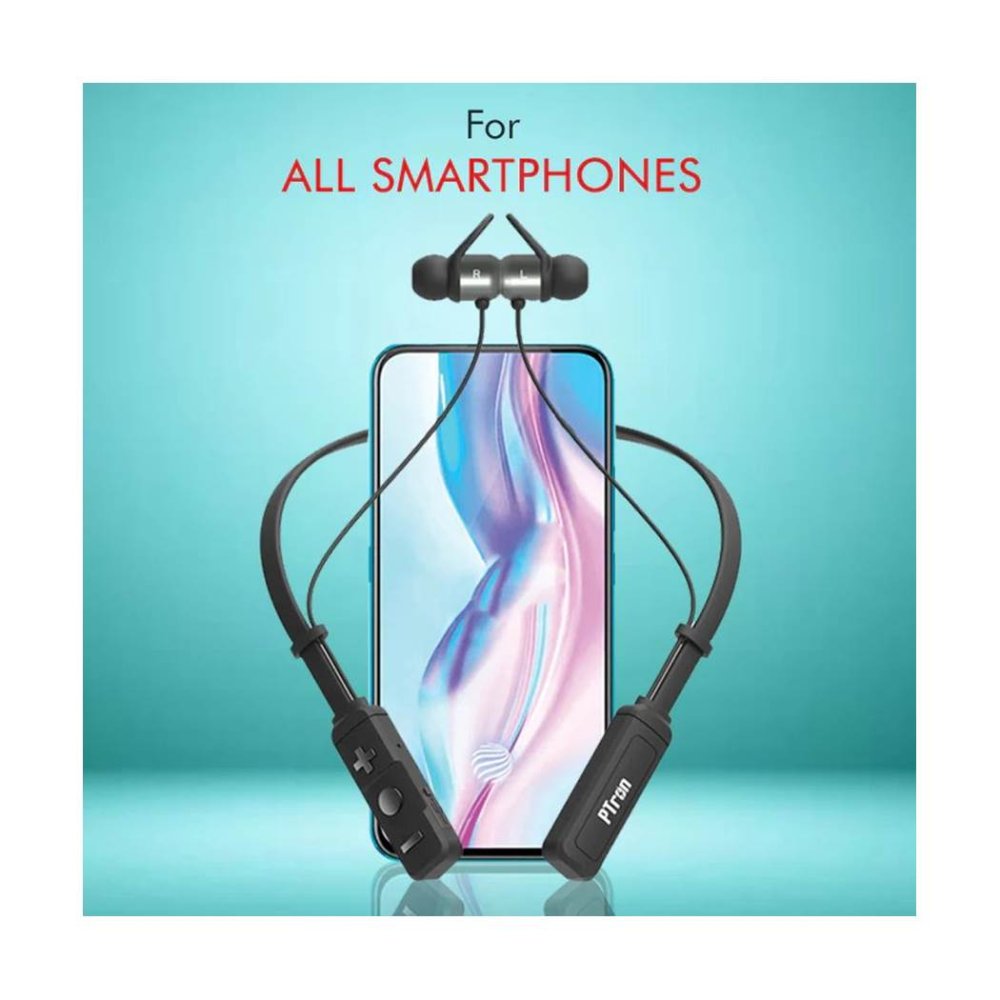
| Other Features | Ergonomic Magnetic Earbuds come together and can be worn comfortably on the neck, ready for your next use. High-performance inbuilt microphone to allows you to manage incoming or outgoing calls with crystal clear voice. Lightweight Comfortable Fit of the wireless Bluetooth in-ear vacuum earbuds is a pleasure to wear while you enjoy the music. Hi-Fi Stereo Sound Output is clear and sharp so you never miss a beat or note. The sharp sound output is great for calls too. Long-lasting Battery of 140mAh allows you to listen to music for six hours, almost a whole day! Your musical journey can go on and on. Ultra-flexible neckband ensures resistance against wear and tear. You can literally roll these Bluetooth wireless earphones in your palm like a ball. In-line Control of volume and calls means that your phone is safely in your pocket or bag while you control everything with your wireless Bluetooth headset. Advanced Bluetooth Technology allows it to be compatible with other Bluetooth devices that accept v5.0 Bluetooth Technology. You may need a Bluetooth dongle for certain devices like laptops. |
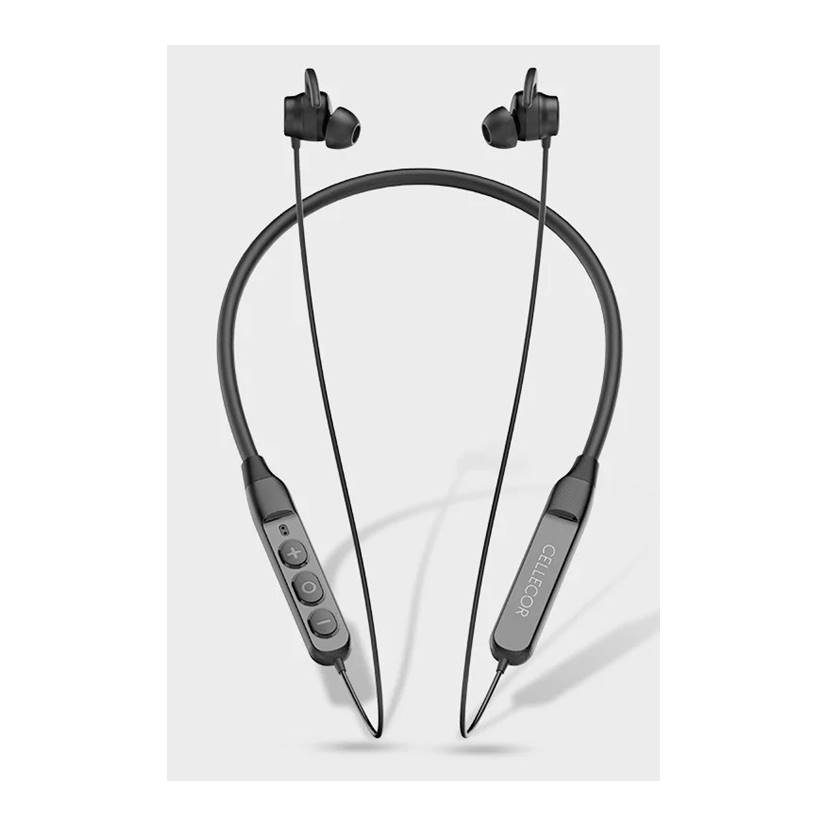
Voice Assistant. The wireless neckband has advanced Bluetooth V5.0, Which Makes an instant connection to your media hassle-free. IPX4 Waterproof : A waterproof casing protects BT-3 neckband Bluetooth headphones against rain, water, sweat, splash and more. The Cellecor wireless neckband offers a total playtime of up to 25 hours on a single charge and Charge for Only 10 minutes And Get a playtime of 2 hours. BT-3 Neckband built-in high sensitivity microphone and noise canceling technology, ensure crystal high quality sound no mater you are calling or listening to music. With flexible neckband and Magnetic earbuds, BT-3 Neckband is very comfortable to wear around your neck, and ensure a snug fit on your shoulders and superior shape retention. |
Advertisement
Compare pTron Tangent Evo with:
Compare Cellecor BT-3 with:
Top Differences
- Battery Life: 25 Hours vs 6 + 6.5 Hours
- Noise Cancelling: NA vs Sound Isolation
- Bluetooth: 5.2 vs 5.0
- Weight: 100 Gm vs 90 GM
- Impedance: NA Vs 16 Ohms
Advertisement