 ALERT
ALERT
Advertisement
| Specification | ||
|---|---|---|
| Price | Rs.1,249.00 |
Rs.1,282.45 |
| Brand | pTron |
Aiwa |
| Model No | Zap |
Train In-Ear |
| Wired / Wireless | Wireless Headphone Specification |
Wireless Headphone Specification |
| Headphone Type | Neckband |
Neckband |
| Magnet Type | Dynamic |
Dynamic |
| Driver Diameter | 10 mm |
10 mm |
| Impedance | 16 Ohms |
16 ohm |
| Sensitivity | 94+/-3dB |
103dB ±3dB |
| Frequency Response | 50Hz - 20KHz |
20Hz - 20KHz |
| Maximum Power Input | 3 mW |
5 V 1A |
| Wireless / Bluetooth Details | ||
| Wireless Technology | Bluetooth |
Bluetooth |
| Bluetooth Version | 5.0 |
5.0 |
| Compatible Profiles | All Bluetooth Devices |
All Bluetooth Devices |
| Supported Codecs | AAC, SBC |
SBC |
| Battery Type | Lithium-Polymer Batteries |
Lithium-Ion Batteries |
| Bluetooth Range | 10 Meters Class 2 |
10 Meters |
| Battery Life | 18 + 22 Hours |
10 Hours |
| Charging Time | 4 Hours |
1.5 Hours |
| Noise Cancelling | Sound Isolation |
NA |
| Available Colors | Black |
Black |
| Connector Plating | NA |
NA |
| Cable | Micro USB Charging Cable |
Micro USB Charging Cable |
| Weight | 30 GM |
490 GM |
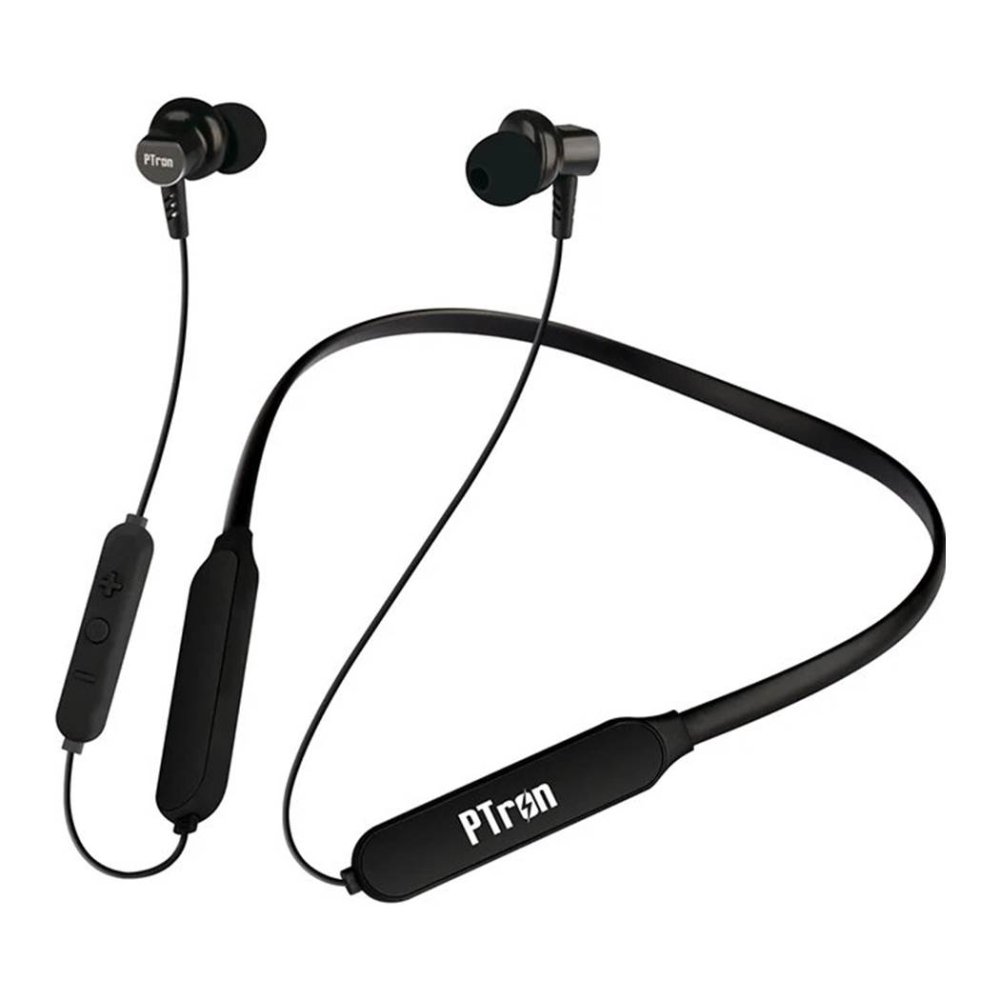
| Other Features | PTron Zap In-Ear Bluetooth 5.0 Magnetic Deep Bass Neckband with Mic for All Smartphones. Quick connect, low latency Qualcomm QCC300x series Bluetooth V5.0 chipset for up to 33 FT effective distance. Sweat-resistant Bluetooth earphone with lightweight and exquisite liquid silicone rubber necklace for comfortable wearability. Wireless neckband Earphones includes 10mm polymer composite diaphragm dynamic speakers offers super bass and clear smooth vocal Hi-Fi stereo sound. Perfect sound quality: High-quality condenser microphone, powerful noise reduction function, eliminate external interference, allowing you to concentrate on work, study, and exercise. 3.7V/400mAh Li-Polymer battery with lower power Qualcomm CSR chipset lasts up to 20-25 hours of (100% volume) music playback time on a single charge. Listen to music at 60% volume level to enjoy 30 hours of playtime. |
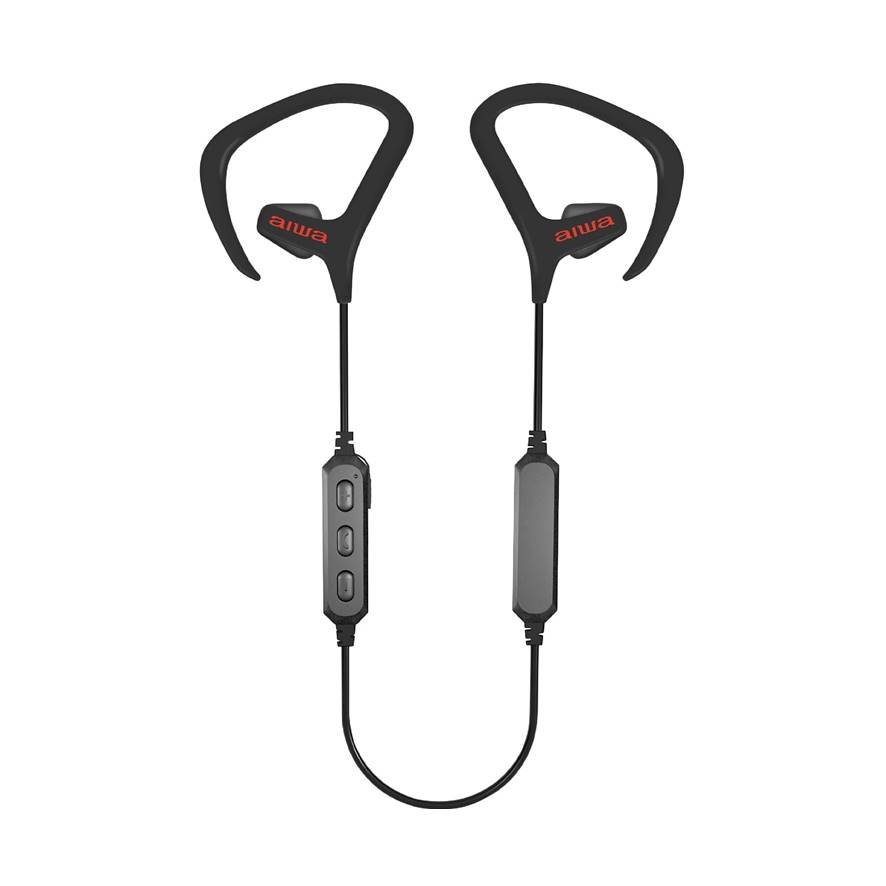
Up to 10 hours of playtime. IPX4 sweat and water resistance. In-line controls built into the earbuds. Secure around the ear fit with wing tips. Long Lasting 10 Hour Battery : The AIWA Train In Ear Wireless Earphones boasts a large 10 hour battery life, so you can keep the music going for your entire workout, with plenty of room to spare! Secure Fit : The Wing Tipped Earbuds allow for a customized fit for any ear to make sure they stay on securely, so you don’t have to fear for dropping them while working out. These are ideal for outdoor jogs and other cardio! In Line Controls : In Line Control buttons allow you to control your music on the fly! Skip or replay any song, as well as pause, play, and even answer phone calls! You won’t have to dig your phone out of your pocket or bag ever again! 30 Foot Bluetooth Range : With a 30 foot range, you can listen to your music all throughout your home without having to be at arms reach of your smart device! With Bluetooth 5.0 technology you can enjoy a strong, stable connection within that 30 foot range. IPX4 Sweat and Water Resistance : Our In Ear Headphones feature IPX4 Water and Sweat Resistance, so you can crank up your favorite playlists even during your most brutal workouts! No need to worry about sweat or rain causing any damage, the AIWA Train In-Ear Wireless Earphones will shrug it off with ease. |
Advertisement
Compare pTron Zap with:
Compare Aiwa Train In-Ear with:
Top Differences
- Battery Life: 10 Hours vs 18 + 22 Hours
- Noise Cancelling: NA vs Sound Isolation
- Weight: 490 GM vs 30 GM
- Impedance: 16 ohm Vs 16 Ohms
Advertisement