 ALERT
ALERT
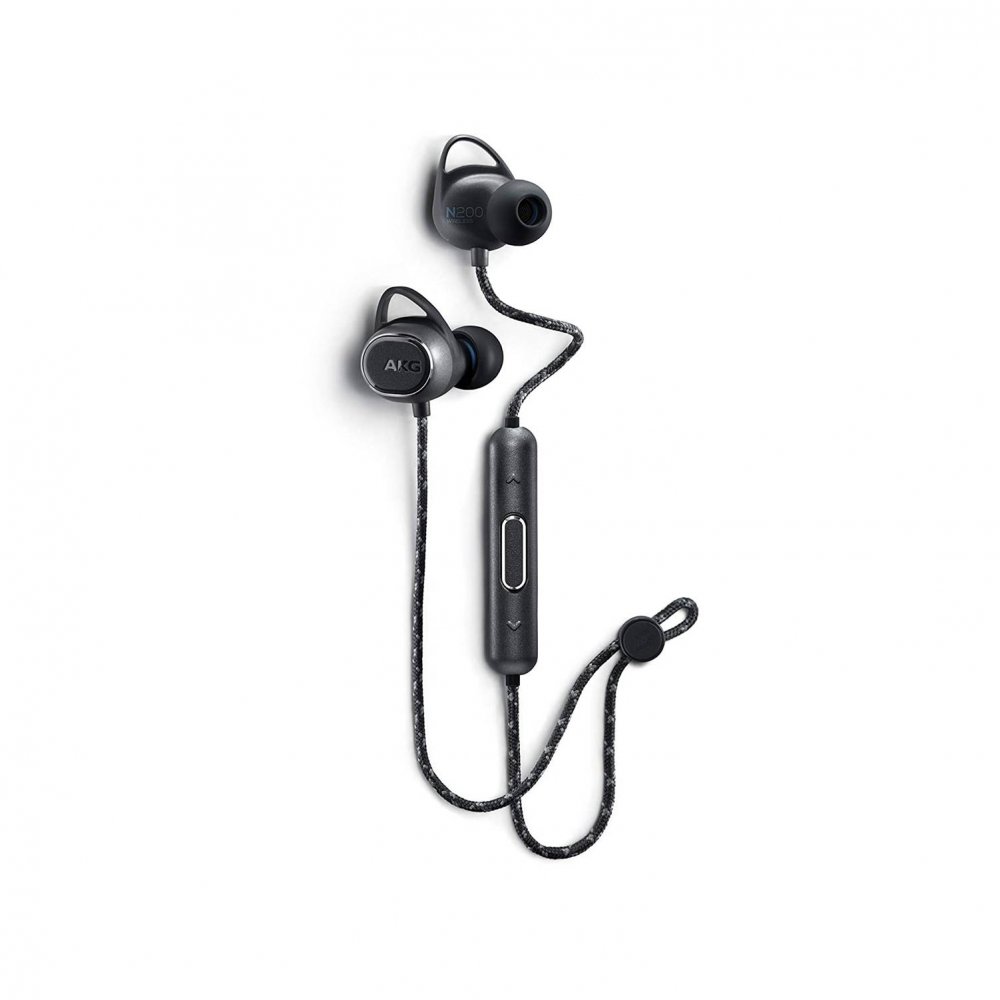
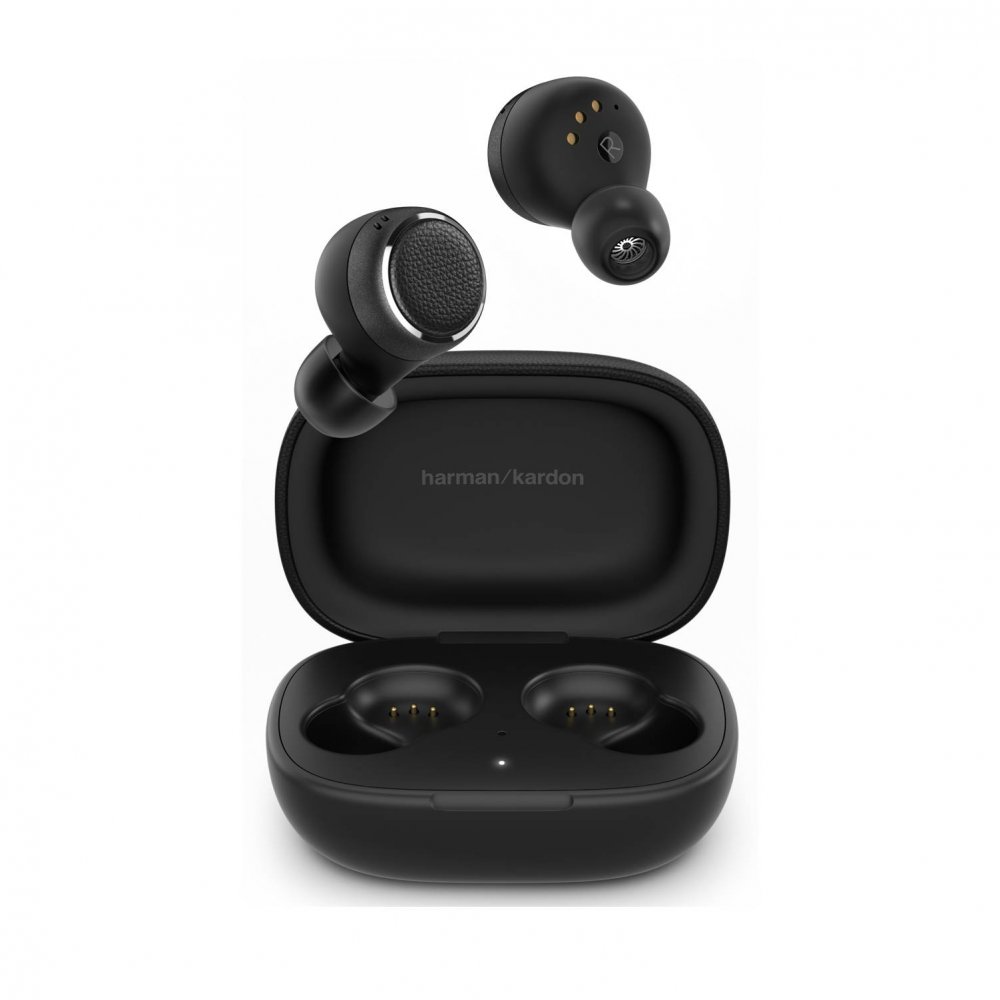
Samsung N200 vs Harman Kardon FLY TWS
Advertisement
| Specification | ||
|---|---|---|
| Price | Rs.9,999.00 |
Rs.9,999.00 |
| Brand | Samsung |
Harman Kardon |
| Model No | N200 |
FLY TWS |
| Wired / Wireless | Wireless Headphone Specification |
Wireless Headphone Specification |
| Headphone Type | In Ear |
In Ear |
| Magnet Type | Dynamic |
Dynamic |
| Driver Diameter | NA |
5.6 mm |
| Impedance | 16 ohm |
17 ohm |
| Sensitivity | 116dB SPL |
97dBSPL |
| Frequency Response | 20 Hz - 20000 kHz |
10 Hz - 20000 kHz |
| Maximum Power Input | NA |
5 V |
| Wireless / Bluetooth Details | ||
| Wireless Technology | Bluetooth |
Bluetooth |
| Bluetooth Version | 4.1 |
5.0 |
| Compatible Profiles | All Bluetooth Devices |
All Bluetooth Devices |
| Supported Codecs | HFP, HSP, A2DP |
A2DP, AVRCP, HFP |
| Battery Type | Polymer Li-ion Batteries |
Li-ion Polymer Batteries |
| Bluetooth Range | 10 Meters |
10 Meters |
| Battery Life | 8 Hours |
6 Hours |
| Charging Time | 2 Hours |
< 2 Hours |
| Noise Cancelling | NA |
Active |
| Available Colors | Black, Blue, Green |
Black |
| Connector Plating | NA |
NA |
| Cable | USB Charging Cable |
Charging Cable |
| Weight | 15.6 gm |
59.2 gm |
| Other Features | AKG signature sound. Multi-Point Connectivity. Ambient Aware technology. Stylish, comfortable design. Designed for sleek durability. High-quality sound that travels. Clear calls and one-button control. An award-winning listening experience. Control both your music and your calls with a single remote. |
Superior true wireless connectivity. Harman Kardon Signature Sound. Auto Pause mode. Never miss a beat. Hands-free stereo calls. Long-lasting high fidelity. Full-function touch control. Water resistant, worry-free. Premium comfort and design. Captivating true wireless sound. Google Assistant and Amazon Alexa built-in. Explore more with the Harman Kardon Headphones App. Voice Assistant between Google Asssistant and Amazon Alexa. |
Advertisement
Compare Samsung N200 with:
Compare Harman Kardon FLY TWS with:
Top Differences
- Battery Life: 8 Hours vs 6 Hours
- Noise Cancelling: NA vs Active
- Driver Size: NA vs 5.6 mm
- Bluetooth: 4.1 vs 5.0
- Weight: 15.6 gm vs 59.2 gm
Advertisement