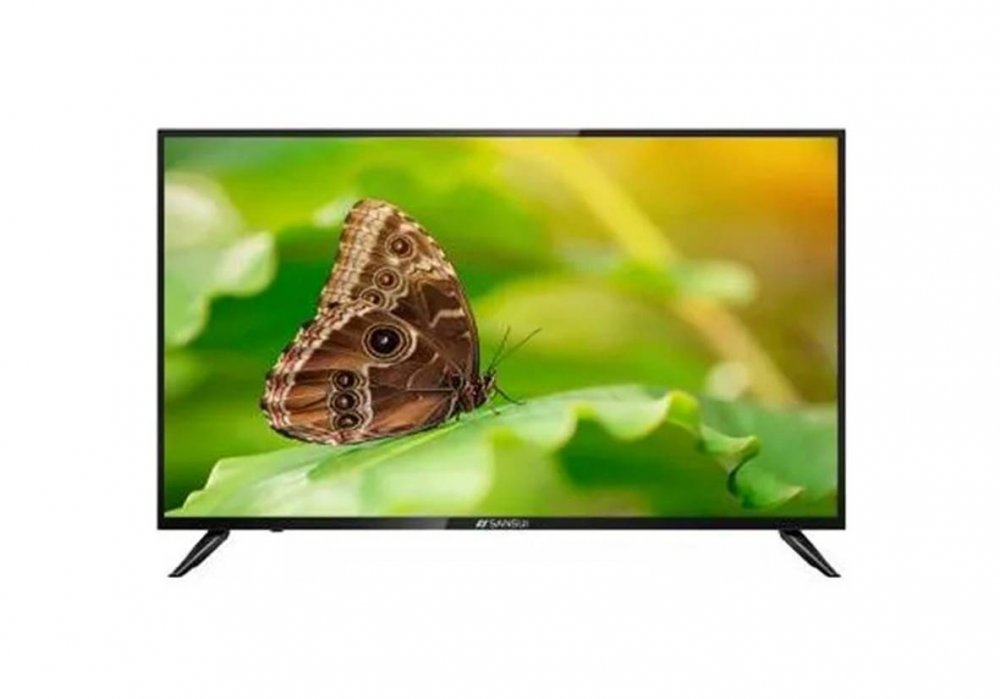
| Model No |
JSK43LSUHD |
TV4C43 |
| TV Type |
Smart TV |
Smart TV |
| Screen Size |
43 Inch (109.22 cm) |
43 Inch (109.22 cm) |
| Resolution |
4K 3840 x 2160 |
1366 x 768 |
| Aspect Ratio |
16:9 |
16:9 |
| Motion Rate |
50 Hz |
60 Hz |
| Viewing Angle |
178°/178° |
178°/178° |
| USB |
| USB Version |
: 2.0 |
| Supported Audio Formats |
: WMA, WMV, ASF, MP4, MPG, MPEG, VRO, VOB, FLV, MKV, FLAC, MP2, MP3 |
| Supported Video Formats |
: AVI, MPG, DAT, VOB, DIV, MOV, MKV |
| Supported Picture Formats |
: JPEG |
|
| USB Version |
: 2.0 |
| Supported Audio Formats |
: Stereo, DTS-HD |
| Supported Video Formats |
: MPEG1/2/4, REAL, H.265, H.264 |
| Supported Picture Formats |
: PNG, GiF |
|
| Video |
| Backlight |
: 4K Ultra HD Direct LED |
| 4K Ultra HD |
: Yes |
| Panel Type |
: IPS |
| Brightness |
: 350 Nits |
| Viewing Angle |
: Wide Viewing Angle |
|
| Backlight |
: LED |
| Vivid Picture Engine |
: Yes |
| Response Time |
: 8ms(Typ |
|
| Audio |
| Audio Output ( RMS ) |
: 20 W |
| Dolby Sound |
: Yes |
| Speaker Type |
: Front-Firing Speakers |
|
| Audio Output ( RMS ) |
: 10 W X 2 |
| DTS-HD |
: Yes |
| Speaker System |
: 2 Speaker |
|
| Connectivity Options |
| HDMI |
: 3 |
| USB |
: 2 |
| VGA |
: Yes |
| Wi-Fi Direct |
: Yes |
| Multiple Ports |
: Yes |
| Ethernet / LAN / RJ 45 |
: Yes |
|
| HDMI |
: 3 |
| USB |
: 2 |
| Bluetooth 4.2/BLE |
: Yes |
| Ethernet |
: Yes |
| AV |
: Yes |
| Earphone Out |
: Yes |
| WIFI |
: 2.4GHz 802.11 b/g/n |
|
| Smart TV Features |
| Operating System |
: Linux / Netflix Turnkey 5.1 |
| CPU |
: ARM CA55 / Quad Core |
| GPU |
: Mali-470 MP3 ( Triple Core ) |
| Smart TV |
: Yes |
| In-Built Browser |
: Yes |
| Screen Mirroring |
: Yes |
| Hot Keys On Remote |
: Yes ( Netflix & Youtube ) |
| Pre-Loaded Apps |
: Netflix, Youtube, NetRange |
|
| Operating system |
: Android TV |
| CPU / Processor |
: Amlogic Cortex A53 quad-core |
| Graphic Processor / GPU |
: Mali-450 MP3 |
| RAM |
: 1 GB DDR |
| ROM |
: 8 GB eMMC |
|
| Other Features |
| Stand Type |
: Table Top Butterflywing |
| Warranty Summary |
: 1 Year Comprehensive And 1 Year Additional Warranty on LED Panel |
|
| Temperature |
: 0℃~45℃ |
| Storage Temperature |
: 15℃~45℃ |
| Humidity |
: 20%~80% |
| Relative Humidity |
: <80% |
| Quick Wake |
: Yes |
|
| General Details |
| Power Supply |
: AC 100 - 240 V, 50/60 Hz |
| Power Consumption |
: 98 W |
| Power Consumption Standby |
: 0.5 W |
|
| Power Supply ( Voltage, Hz ) |
: 100-240V~50/60Hz |
| Power Consumption |
: 50 W |
| Set Weight ( Without Stand ) |
: 3.87 Kg |
| Set Weight ( With Stand ) |
: 3.92 Kg |
|
| Supplied Accessories |
| Remote Control |
: Yes |
| 2 AAA Batteries |
: Yes |
| User Manual |
: Yes |
| Warranty Card |
: Yes |
| 2 Base Stand |
: Yes |
| 2 Base Stand Screw |
: 2 N |
|
| Remote Control |
: Yes |
| User Manual |
: Yes |
|
 ALERT
ALERT