 ALERT
ALERT
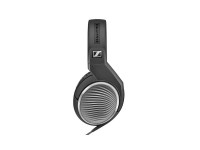
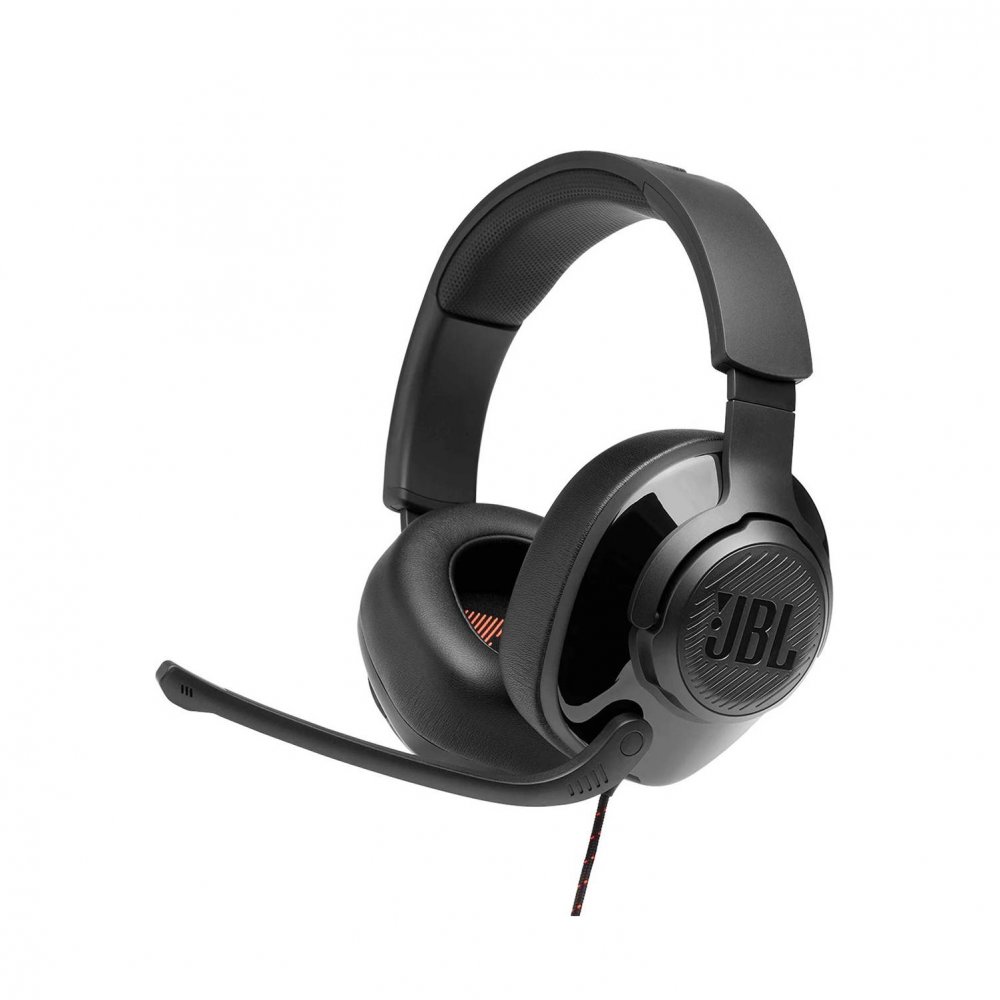
Sennheiser HD-451 vs JBL Quantum 300
Advertisement
| Specification | ||
|---|---|---|
| Price | Rs.5,100.00 |
Rs.4,999.00 |
| Brand | Sennheiser |
JBL |
| Model No | HD-451 |
Quantum 300 |
| Wired / Wireless | Wired Headphone Specification |
Wired Headphone Specification |
| Headphone Type | Over Ear |
Over Ear |
| Magnet Type | Neodymium |
Neodymium |
| Driver Diameter | NA |
50 mm |
| Impedance | 32 Ohms |
32 ohm |
| Sensitivity | 108 dB/mW |
100dB1mW |
| Frequency Response | 20 Hz-20,000 Hz |
20 Hz - 20000 kHz |
| Maximum Power Input | 100 mW |
30 mW |
| Noise Cancelling | Yes |
NA |
| Available Colors | Black, Blue, Grey |
Black |
| Connector Plating | 3.5 mm Gold Plated Plug |
3.5 mm |
| Cable | 1.2 m |
USB Audio Adapter Cable |
| Weight | 380 g |
245 gm |
| Other Features | - Vibrant stereo sound with powerful bass response - Closed around-ear design, delivers stereo sound with powerful punchy bass - 2-year warranty - Eye catchy design |
Live the game with JBL QuantumSURROUNDâ„¢. Be at the center of the game with JBL QuantumSOUND Signature. Play even longer in memory foam comfort. Be heard with the voice focus directional boom mic. Switch between all your favorite platforms. User-friendly JBL QuantumENGINE PC software suite. |
Advertisement
Compare Sennheiser HD-451 with:
Compare JBL Quantum 300 with:
Top Differences
- Noise Cancelling: Yes vs NA
- Driver Size: NA vs 50 mm
- Weight: 380 g vs 245 gm
- Impedance: 32 Ohms Vs 32 ohm
Advertisement