 ALERT
ALERT
Sennheiser HD 630VB vs Denon AH-D600
Advertisement
| Specification | ||
|---|---|---|
| Price | Rs.35,000.00 |
Rs.39,000.00 |
| Brand | Sennheiser |
Denon |
| Model No | HD 630VB |
AH-D600 |
| Wired / Wireless | Wired Headphone Specification |
Wired Headphone Specification |
| Headphone Type | Over Ear |
On Ear |
| Magnet Type | Neodymium |
Neodymium |
| Driver Diameter | NA |
50 mm |
| Impedance | 23 Ohms |
25 Ohms |
| Sensitivity | 114 dB/mW |
108 dB/mW |
| Frequency Response | 10Hz - 24,000Hz |
5 Hz - 45,000 Hz |
| Maximum Power Input | NA |
1800 mW |
| Noise Cancelling | NA |
NA |
| Available Colors | Grey |
Black |
| Connector Plating | 3.5 mm Gold Plated Jack |
3.5 mm Gold Plated Jack |
| Cable | 1.2 m |
3 m |
| Weight | 400 g |
365 g |
| Other Features | Additional Features - Ear coupling : Circumaural - Transducer principle : Dynamic Closed - Bass Boost : +/- 5dB at 50 Hz - THD, total harmonic distortion : <0.08% (1kHz, 100dB) - Contact pressure : 5.5~6.8N Microphone - Frequency response (microphone) : 100-10,000Hz - Pick-up pattern : Omni-direction |
- Detachable cable - Denon’s custom-developed - 50 mm Free Edge Nano Fiber Drivers maximize sound quality and efficiency: |
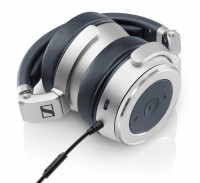
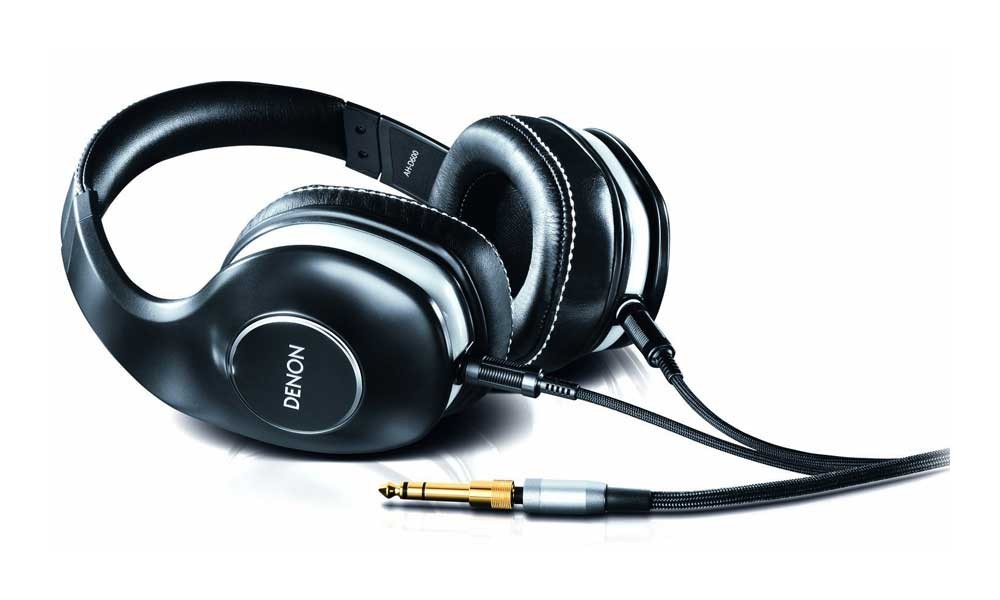
Advertisement
Compare Sennheiser HD 630VB with:
Compare Denon AH-D600 with:
Top Differences
- Driver Size: NA vs 50 mm
- Weight: 400 g vs 365 g
- Impedance: 23 Ohms Vs 25 Ohms
Advertisement