 ALERT
ALERT
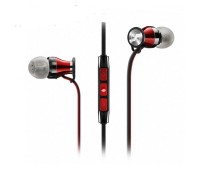
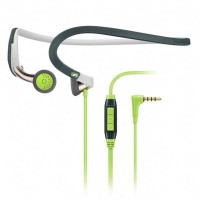
Sennheiser Momentum In-Ear vs Sennheiser PMX 686G
Advertisement
| Specification | ||
|---|---|---|
| Price | Rs.6,200.00 |
Rs.7,200.00 |
| Brand | Sennheiser |
Sennheiser |
| Model No | Momentum In-Ear |
PMX 686G |
| Wired / Wireless | Earphone Specification |
Earphone Specification |
| Headphone Type | In Ear Canal |
Neckband |
| Magnet Type | Neodymium |
Neodymium |
| Driver Diameter | NA |
NA |
| Impedance | 18 Ohms |
30 Ohms |
| Sensitivity | 118 dB/mW |
120 dB/mW |
| Frequency Response | 15 Hz - 22000 Hz |
18 Hz -20000 Hz |
| Maximum Power Input | NA |
NA |
| Noise Cancelling | NA |
NA |
| Available Colors | Black, Red, Grey |
Green, Grey |
| Connector Plating | 3.5 mm Gold Plated Jack |
3.5 mm Gold Plated Jack |
| Cable | 1.3 m |
1.2 m |
| Weight | 16 g |
NA |
| Other Features | - Sleek and Sophisticated Design - Brilliant and Powerful Sound - Adaptable and Ergonomic Comfort - Functional and Durable Accessories |
- Inline smart remote and mic on the cable are compatible with most smartphones and portable players (including Android, Windows Mobile and Blackberry devices) - Maximum ruggedness and durability – Sweat and water-resistant - Vertical in-ear design for greater situational awareness and safety - Antimicrobial ear adapters (SteriTouch) - Ultra-lightweight neckband for a secure, comfortable fit - Para-aramid-reinforced cable provides superior strength and reliability - Oval-shaped cable ensures a tangle-free listening experience and reduced cable noise - Convenient storage pouch and cable clip included - 2-year warranty |
Advertisement
Compare Sennheiser Momentum In-Ear with:
Compare Sennheiser PMX 686G with:
Top Differences
- Weight: 16 g vs NA
- Impedance: 18 Ohms Vs 30 Ohms
Advertisement