 ALERT
ALERT
Sennheiser PC 31-II vs Philips SHO9567BK-28
Advertisement
| Specification | ||
|---|---|---|
| Price | Rs.2,336.00 |
Rs.2,200.00 |
| Brand | Sennheiser |
Philips |
| Model No | PC 31-II |
SHO9567BK-28 |
| Wired / Wireless | Wired Headphone Specification |
Wired Headphone Specification |
| Headphone Type | On Ear |
Over Ear |
| Magnet Type | Neodymium |
Neodymium |
| Driver Diameter | NA |
40 mm |
| Impedance | 32 Ohms |
24 ohms |
| Sensitivity | 109 dB/mW |
106 dB |
| Frequency Response | 40 Hz - 18000 Hz |
22 - 19500 Hz |
| Maximum Power Input | NA |
NA |
| Noise Cancelling | NA |
No |
| Available Colors | Black |
Black, Pink |
| Connector Plating | 3.5 mm x 2, Golden Plated Jack |
24k Gold Plated, 3.5 mm Stereo |
| Cable | 3 m |
OFC, 1.2m |
| Weight | 90 g |
178 g |
| Other Features | - Sennheiser sound – quality speakers deliver music, movies, games and internet calls in rich stereo sound - Noise canceling clarity – the microphone filters out ambient noise, keeping your voice clear and easy to understand - Fully flexible boom arm – adjust the microphone for optimal voice pick-up and comfort - Light and comfortable – with the lightweight headband, it’s easy to forget you are even wearing a headset - Easy to use – the headset easily plugs into your laptop or desktop computer - 2-year warranty |
- Total harmonic distortion: 0.7% - Volume and Tuning Control - Replaceable Ear Pads - Cable stress relief to prevent breakage - Dimension: 17cm x 19.5cm x 7.5cm - Singled-sided cable - Tough tangle-free cable and reinforced connectors - Super stretch headband for enhanced durability |
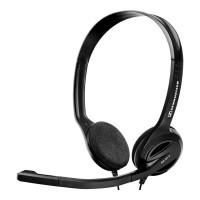
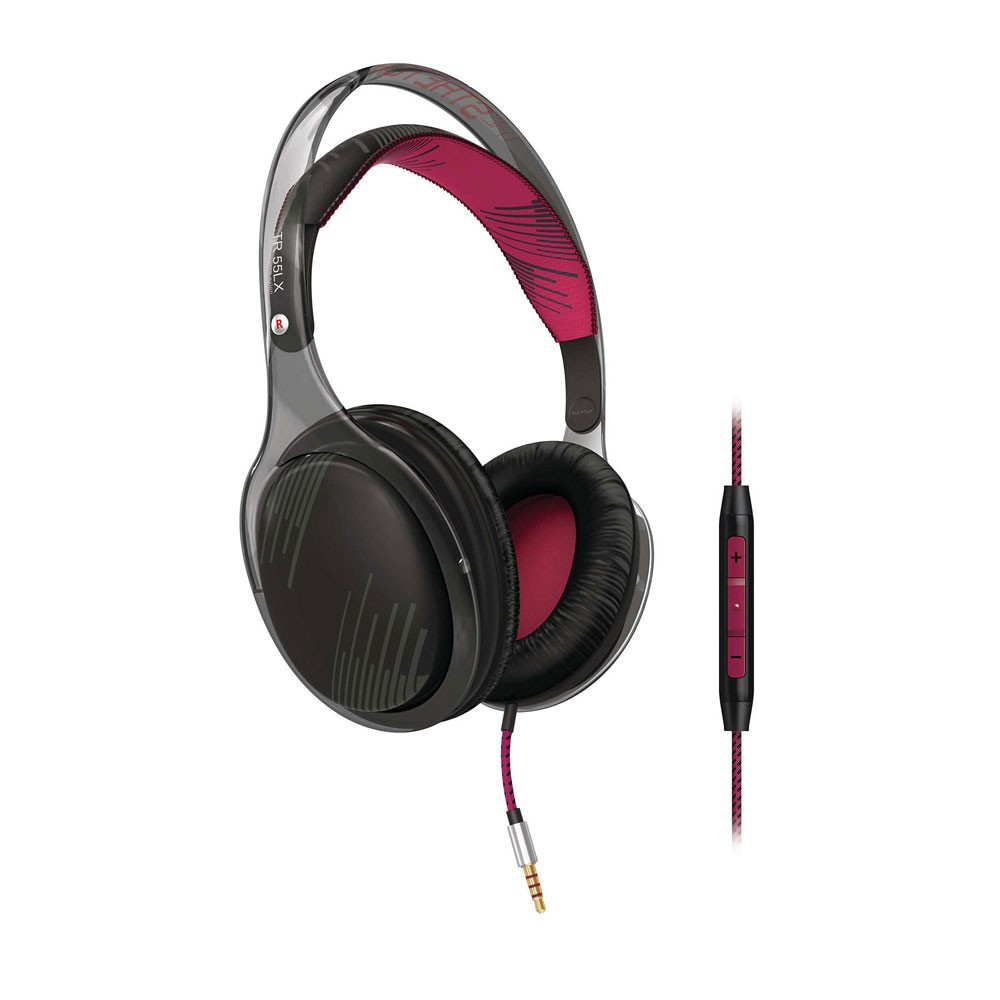
Advertisement
Compare Sennheiser PC 31-II with:
Compare Philips SHO9567BK-28 with:
Top Differences
- Noise Cancelling: No vs NA
- Driver Size: 40 mm vs NA
- Weight: 178 g vs 90 g
- Impedance: 24 ohms Vs 32 Ohms
Advertisement