 ALERT
ALERT
Sennheiser RS 120 II vs Philips TAT3217BK
Advertisement
| Specification | ||
|---|---|---|
| Price | Rs.8,990.00 |
Rs.8,999.00 |
| Brand | Sennheiser |
Philips |
| Model No | RS 120 II |
TAT3217BK |
| Wired / Wireless | Wireless Headphone Specification |
Wireless Headphone Specification |
| Headphone Type | On Ear |
In Ear |
| Magnet Type | Dynamic |
Dynamic |
| Driver Diameter | NA |
10 mm |
| Impedance | 24 ohm |
16 Ohms |
| Sensitivity | 106 dB |
101.5dB@1KHz |
| Frequency Response | 22 Hz - 19500 Hz |
20Hz - 20KHz |
| Maximum Power Input | 9 V |
5 mW |
| Wireless / Bluetooth Details | ||
| Wireless Technology | Bluetooth |
Bluetooth |
| Bluetooth Version | NA |
5.2 |
| Compatible Profiles | All Bluetooth Devices |
All Bluetooth Devices |
| Supported Codecs | NA |
SBC |
| Battery Type | Lithium Polymer Batteries |
Lithium-Polymer Batteries |
| Bluetooth Range | 100 Meters |
10 Meters |
| Battery Life | 20 Hours |
6 + 20 Hours |
| Charging Time | NA |
2 Hours |
| Noise Cancelling | NA |
Sound Isolation |
| Available Colors | Black |
Black |
| Connector Plating | 3.5 mm |
NA |
| Cable | Adaptor |
USB Type-C Charging Cable |
| Weight | 200 gm |
54 GM |
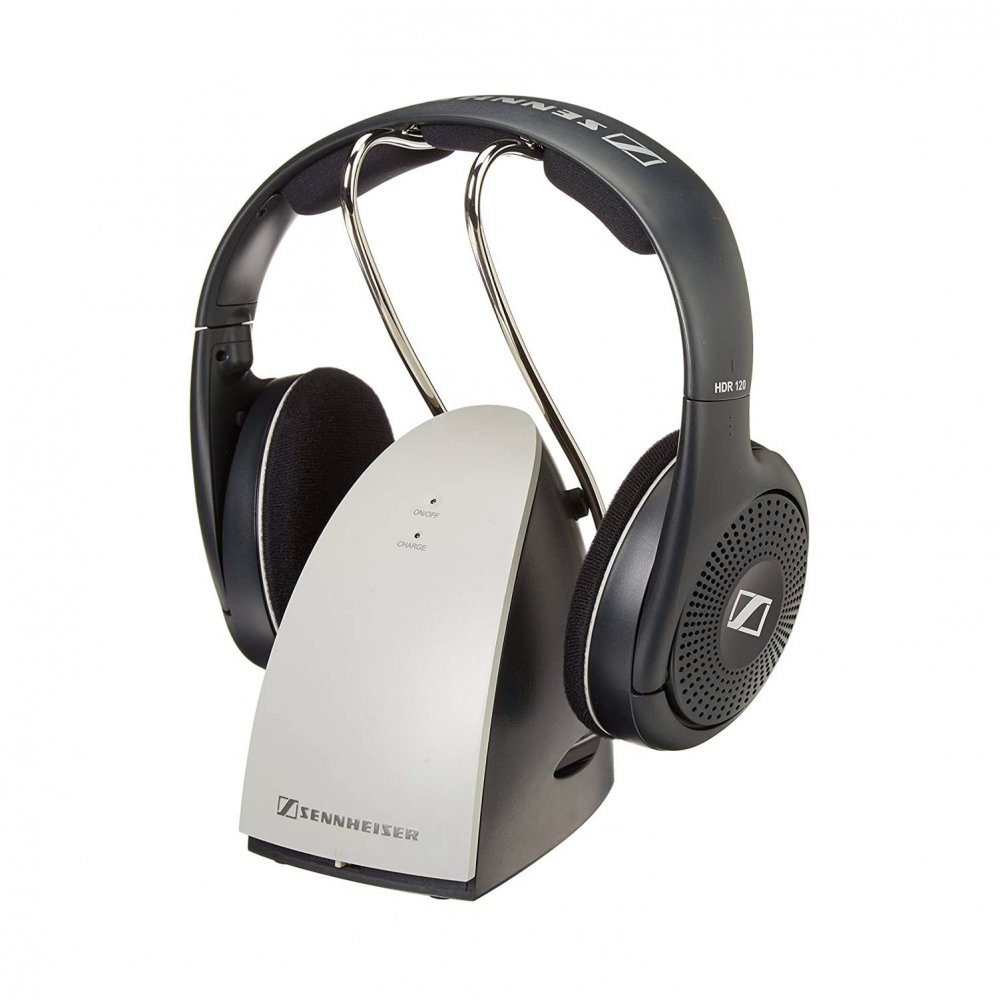
| Other Features | 2-year warranty. Appealing, modern design. Range of up to 100 metres (300 feet). Optional wall mounting of transmitter possible. Rechargeable NiMH batteries included (size: AAA). Open, stereo, supraaural, wireless RF headphone system. Suitable for all types of modern music and TV applications. Wireless freedom with reception through walls and ceilings. Very lightweight headphones, extremely comfortable to wear. Detailed, analytical sound reproduction with strong bass response. Transmitter with metal cradle for storing and recharging the headphones. Control elements conveniently positioned to provide easy, intuitive operation. |
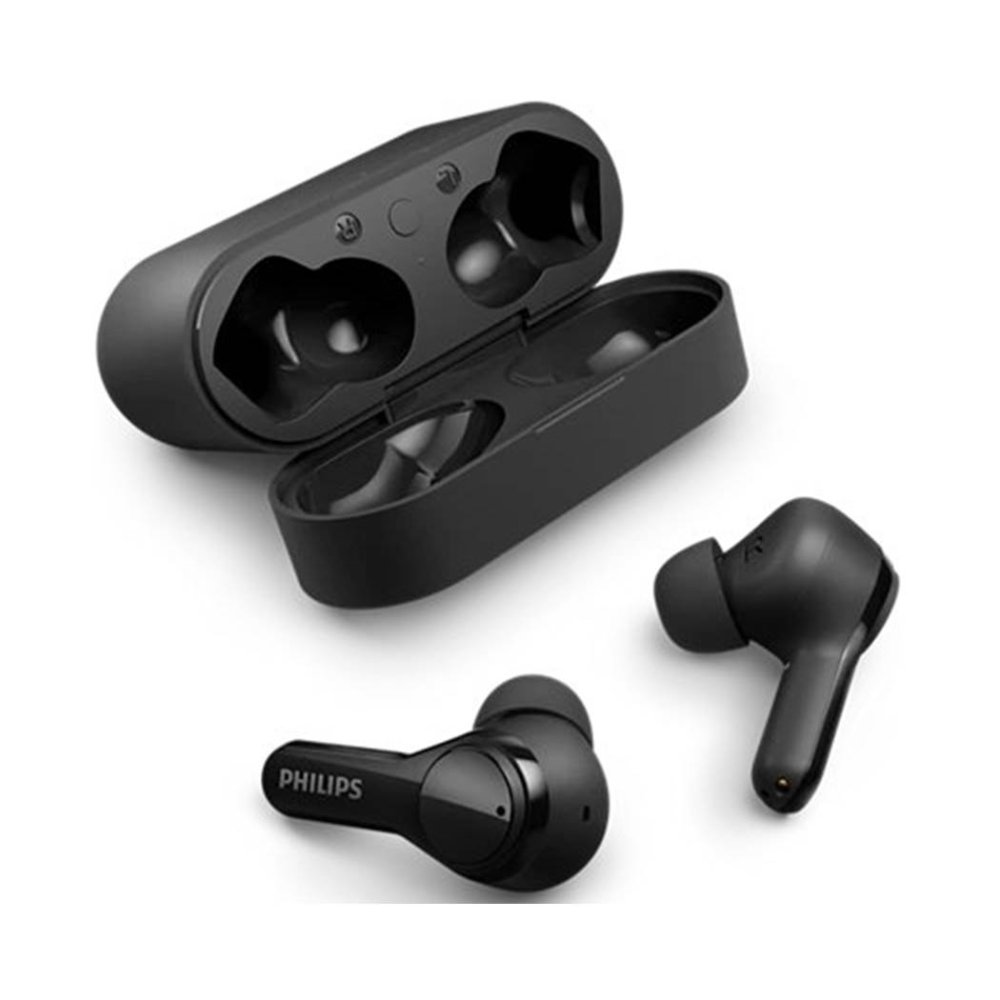
INSTANT PAIRING : Earbuds are ready to use as soon as you open the case lid when the earbuds are being kept inside. CRYSTAL CLEAR CALL QUALITY : With Advanced Quad Mic ENC algorithm, These True wireless headphones let you communicate clearly every time. GREAT SOUND & PUNCHY BASS : Advanced & Powerful Neodymium 10mm drivers deliver crisp audio and punchy bass. Earbuds fit so comfortably in ears to provide amazing immersive experience and passive noise cancellation. STAY ON-THE-MOVE : These tiny yet powerful true wireless earbuds fit easily into the pocket of your slim-fit jeans, so you’re always ready to go. The fully charged battery gives you 6 hours of playtime and the pocket-sized case adds 20 hours more. EASY & EFFORTLESS USE : Touch controls on the earbuds make life super-easy! Use them to pause your music, take calls or wake your phone's voice assistant. Once paired, the headphones will reconnect with your phone as soon as you open the charging case. |
Advertisement
Compare Sennheiser RS 120 II with:
Compare Philips TAT3217BK with:
Top Differences
- Battery Life: 20 Hours vs 6 + 20 Hours
- Noise Cancelling: NA vs Sound Isolation
- Driver Size: NA vs 10 mm
- Bluetooth: NA vs 5.2
- Weight: 200 gm vs 54 GM
Advertisement