 ALERT
ALERT
Advertisement
| Specification | ||
|---|---|---|
| Price | Rs.17,500.00 |
Rs.16,990.00 |
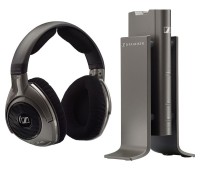
| Brand | Sennheiser |
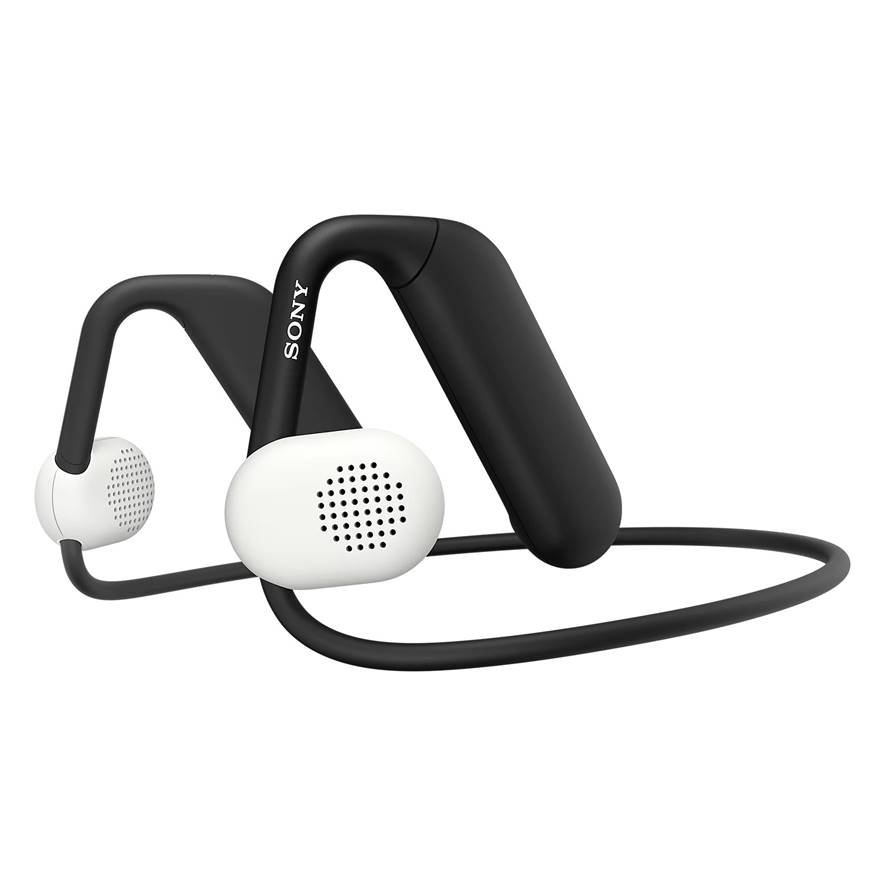
Sony |
| Model No | RS 180 |
Float Run |
| Wired / Wireless | Wireless Headphone Specification |
Wireless Headphone Specification |
| Headphone Type | Over Ear |
Over Ear |
| Magnet Type | Neodymium |
Dynamic |
| Driver Diameter | NA |
16 mm |
| Impedance | 32 ohms |
32 Ohms |
| Sensitivity | 110 dB |
99dB |
| Frequency Response | 18 - 21000 Hz |
20Hz - 20KHz |
| Maximum Power Input | NA |
DC 5 V |
| Wireless / Bluetooth Details | ||
| Wireless Technology | Radio Frequency |
Bluetooth |
| Bluetooth Version | 5.0 |
|
| Compatible Profiles | All Bluetooth Devices |
|
| Supported Codecs | SBC, AAC |
|
| Battery Type | AAA NiMH Rechargeable Battery |
Lithium-Ion Batteries |
| Bluetooth Range | 10 Meters |
|
| Battery Life | 24 hrs |
10 Hours |
| Charging Time | 16 hrs |
3 Hours |
| Noise Cancelling | No |
Sound Isolation |
| Available Colors | Black |
Black |
| Connector Plating | 3.5 mm Gold Plated Jack |
NA |
| Cable | NA |
USB Type-C Charging Cable |
| Weight | 204 g (without battery) |
33 GM |
| Other Features | - Total Harmonic Distortion (THD): Less than 0.5 % a 1 kHz, 100 dB SPL - Automatic level control for optimum audio levels - Multi-receiver transmission - Up to 4 people listening to the same source - Multi-purpose transmitter - Also functions as easy-charge cradle and docking station - Balance control for right/left volume adjustment |
A quick charge of 10 minutes will give you an hour of play. Going the distance Thanks to the neckband design, these running headphones are secure and stable, no matter how you move. With an IPX4 water-resistant rating, you don't have to worry about damage from sweat or from getting caught out in the rain. The 16-mm drivers and precise tuning combine with the off-ear style to give you a more natural and wider sound while you work out. You won’t feel a thing With an innovative off-ear design, you won’t have to worry about pressure or stuffiness becoming uncomfortable, even on long runs. No compromise on sound quality The 16mm drivers and precise tuning combine with the off-ear style to give you a more natural and wider sound while you work out. Comfortable headphones designed for runners With the Sony Float Run headphones, you can enjoy comfortable, stable, and easy-to-use headphones that will make your music sound great and keep you motivated on your run. Hear the world around you The unique open design of the Float Run headphones keeps you in touch with your surroundings while delivering a spacious soundtrack. You'll get the maximum impact from your music and can stay safe in busy surroundings. |
Advertisement
Compare Sennheiser RS 180 with:
Compare Sony Float Run with:
Top Differences
- Battery Life: 24 hrs vs 10 Hours
- Noise Cancelling: No vs Sound Isolation
- Driver Size: NA vs 16 mm
- Weight: 204 g (without battery) vs 33 GM
Advertisement