 ALERT
ALERT
Advertisement
| Specification | ||
|---|---|---|
| Price | Rs.34,990.00 |
Rs.33,162.19 |
| Brand | Sennheiser |
Sony |
| Model No | RS 195 |
MDR-MV1 |
| Wired / Wireless | Wireless Headphone Specification |
Wireless Headphone Specification |
| Headphone Type | Over Ear |
Over Ear |
| Magnet Type | Dynamic, Neodymium |
Neodymium |
| Driver Diameter | NA |
40 mm |
| Impedance | 32 ohm |
24 ohm |
| Sensitivity | 117 dB/mW |
100 dB/mW |
| Frequency Response | 17 Hz - 22000 Hz |
54 Hz - 80000 Hz |
| Maximum Power Input | 9 V |
1,500 mW |
| Wireless / Bluetooth Details | ||
| Wireless Technology | Bluetooth |
Wired |
| Bluetooth Version | NA |
|
| Compatible Profiles | All Bluetooth Devices |
|
| Supported Codecs | NA |
|
| Battery Type | Nickel Metal Hydride Batteries |
|
| Bluetooth Range | 100 Meters |
|
| Battery Life | 18 Hours |
|
| Charging Time | 8.5 Hours |
|
| Noise Cancelling | Active |
NA |
| Available Colors | Black |
Black |
| Connector Plating | 3.5 mm Stereo |
3.5 mm Gold-Plated Stereo Mini Plug |
| Cable | Optical Cable |
Tangle-Free Cable |
| Weight | 340 gm |
223 Gm |
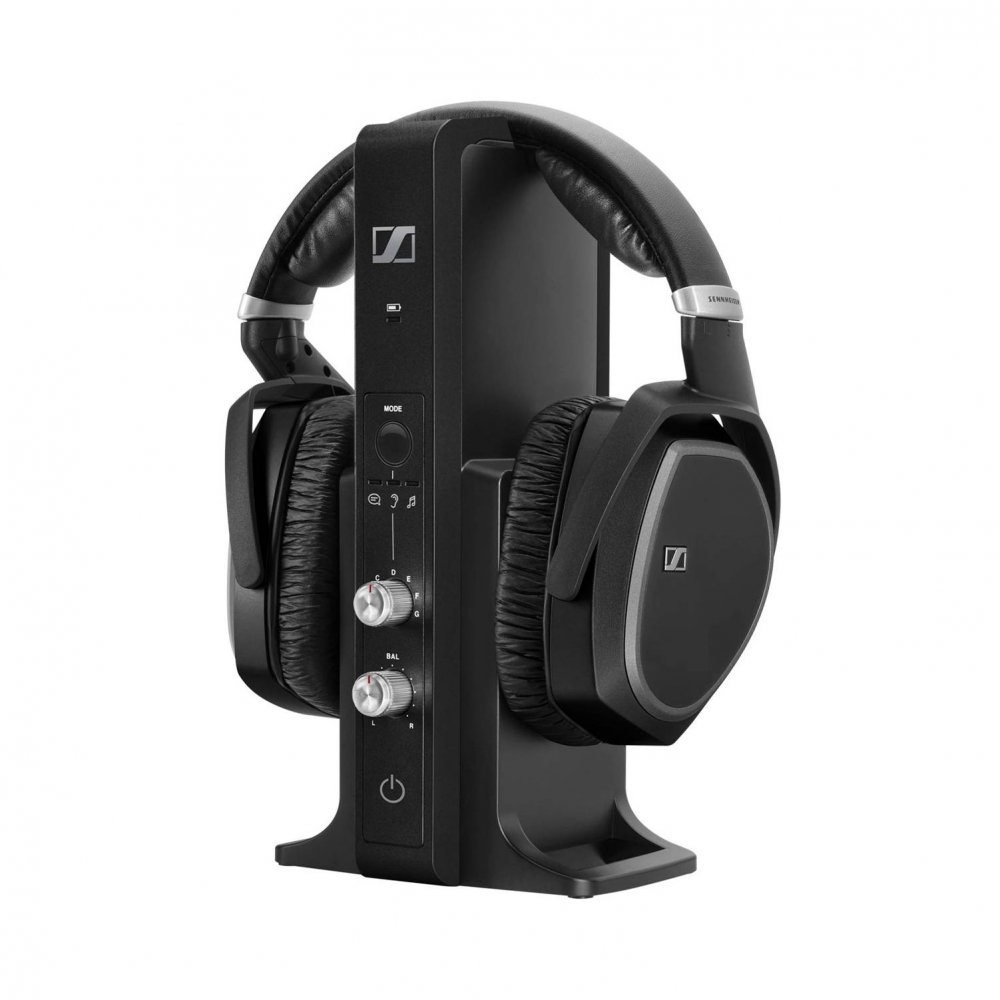
| Other Features | Balance control for right/left volume adjustment. Closed back, circumaural headphone system with excellent digital wireless audio transmission delivering range up to 328ft / 100m ( line of sight ). Selectable hearing boost presets with an additional noise suppression mode for clearer dialogues and superior speech intelligibility. Music listening mode for increased dynamic range. Multi-purpose transmitter supports both Digital and Analog Inputs in addition Automatic and Manual Level Control - also functions as 'easy-charge' cradle and docking station for the headphones. |
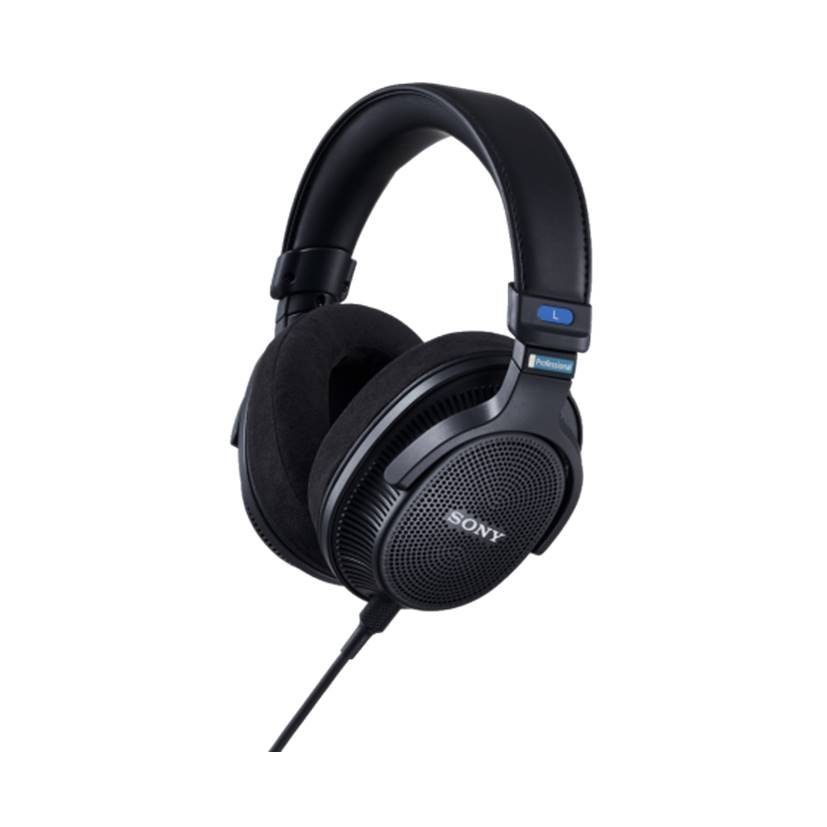
Open back design. patial sound creation. Excellent wearing comfort. Comfortable for long session use. Open Back Studio Monitor Headphones. For immersive mixing and stereo mastering Carefully tuned open back acoustic structure. Studio monitor sound for mixing and mastering. Lightweight, high-strength aluminum alloy for the housing. Stereo sound creation with High-Resolution Audio capability. Detachable, machined aluminum connectors for professional use. Accurate sound object positioning with a 360 degree sound space. |
Advertisement
Compare Sennheiser RS 195 with:
Compare Sony MDR-MV1 with:
Top Differences
- Noise Cancelling: Active vs NA
- Driver Size: NA vs 40 mm
- Weight: 340 gm vs 223 Gm
- Impedance: 32 ohm Vs 24 ohm
Advertisement